

Imagine this: each cell in your body holds an identical copy of a giant cookbook. Think of this cookbook as your DNA. And in this book, there are 20,000 recipes that make different proteins. Why is there a need for so many types of proteins? Read on. (Photo: Pexels)

Our body is made up of different kinds of proteins. This means that when the body needs a structural protein to build or repair tissue, one needs to be specially created for such a purpose. The same goes for fighting off that nasty cold – the body creates an immune protein to get the job done. To create proteins, cells copy protein recipes from the book, as if writing it down on a notepad. (Photo: Pexels)
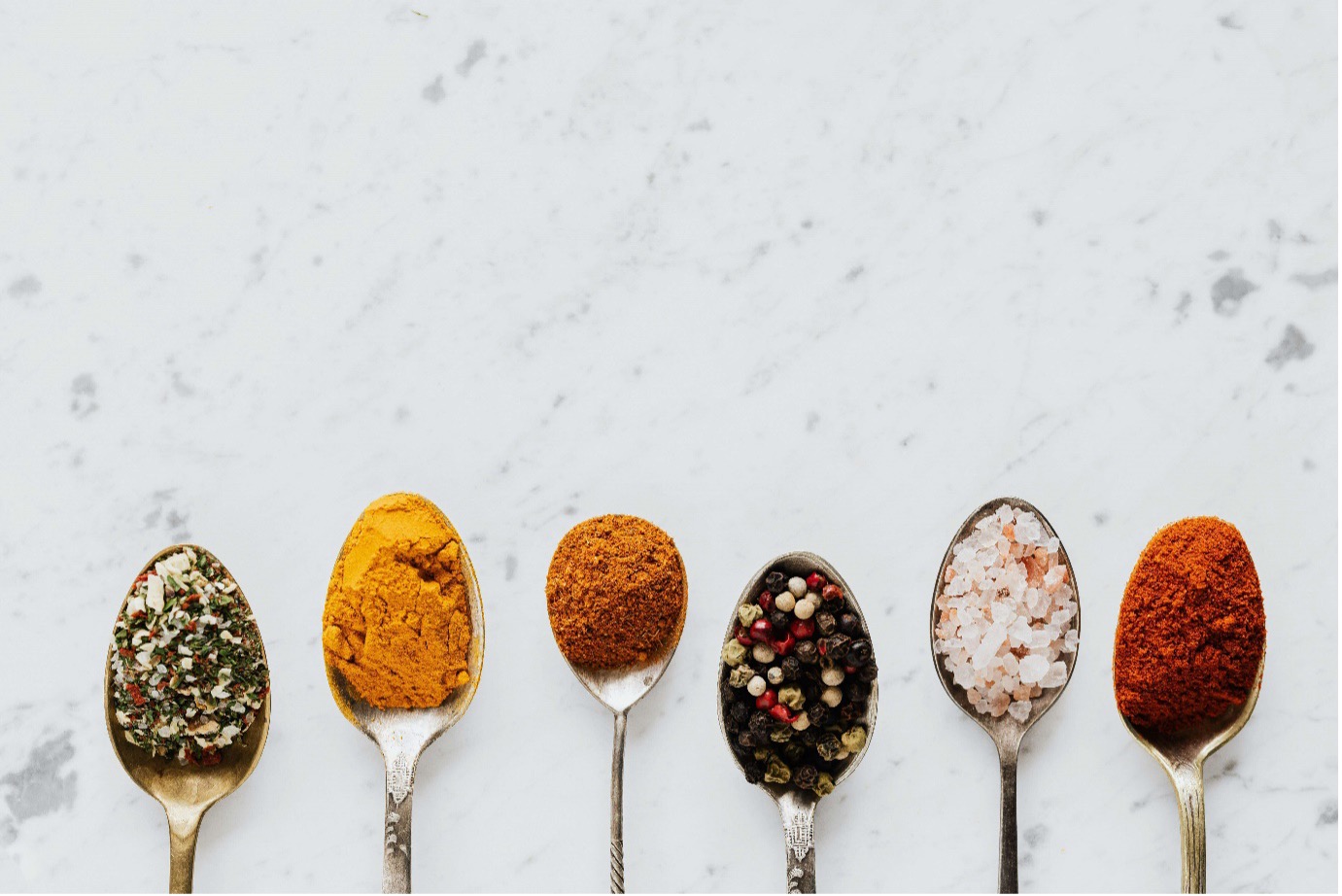
Referring to the recipe on the notepad, the exact amino acids that make up the protein are brought to the cooking pan in just the right amounts. (Photo: Pexels)

The amino acid ingredients are added to the cooking pan in the right order. (Video: Pexels)
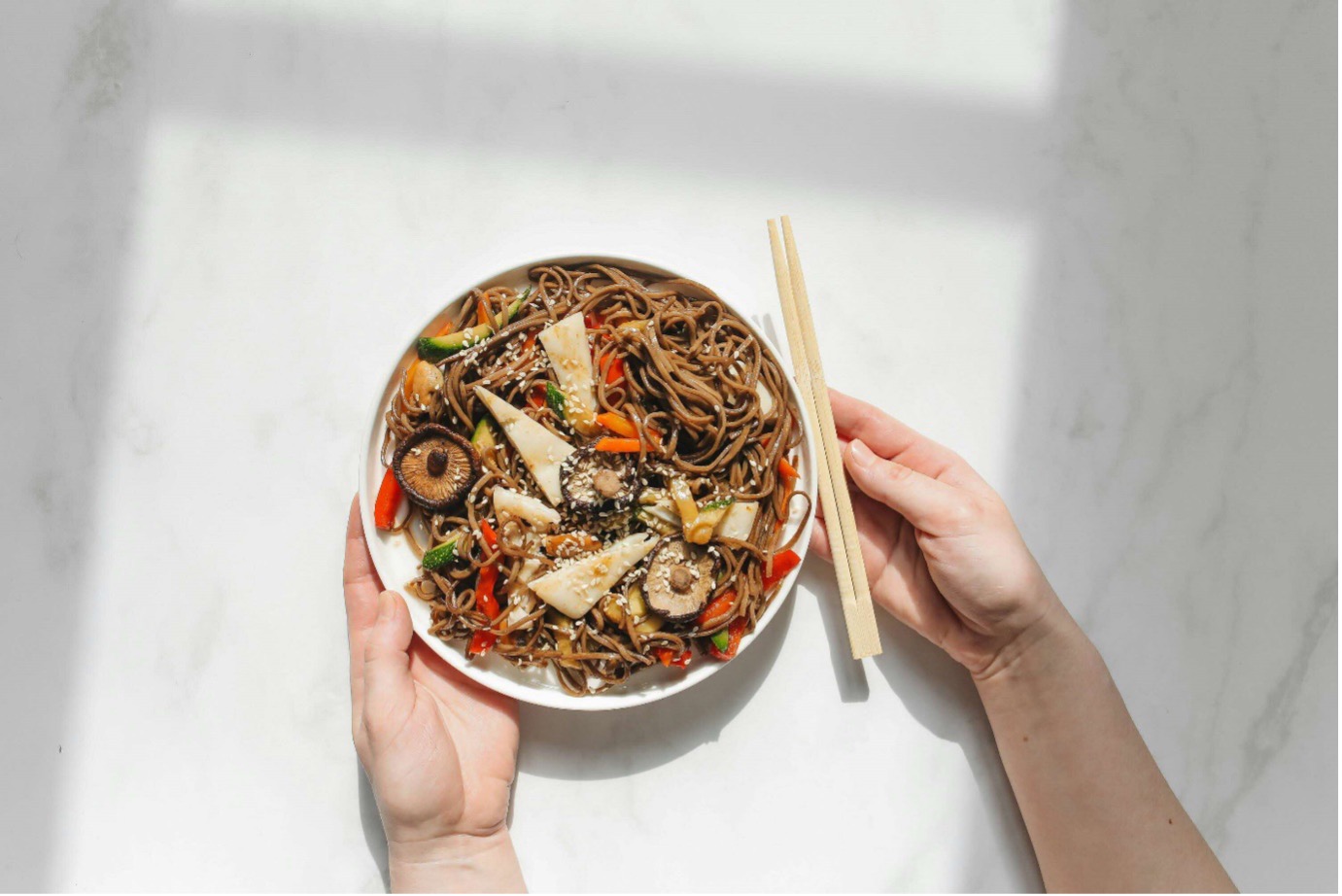
And once all the ingredients are added, the chain of amino acids folds into a unique shape to form the completed dish, or in this case, the required protein! (Photo: Pexels)
While all the cells in your body may hold the same DNA cookbook, different sets of recipes are used across the various tissues, which results in several protein combinations. What this means is that certain proteins specifically belong to specific parts of the body.
And this specificity is precisely why proteins could provide leads in forensic investigations. In the absence of DNA evidence, the proteins specific to hair, skin or bones could be used to identify unique individuals.
In fact, proteins could also shed light on the health status of the individual, sequence of events, or the time since death, especially in situations where DNA analysis is not possible.
“Seeing” proteins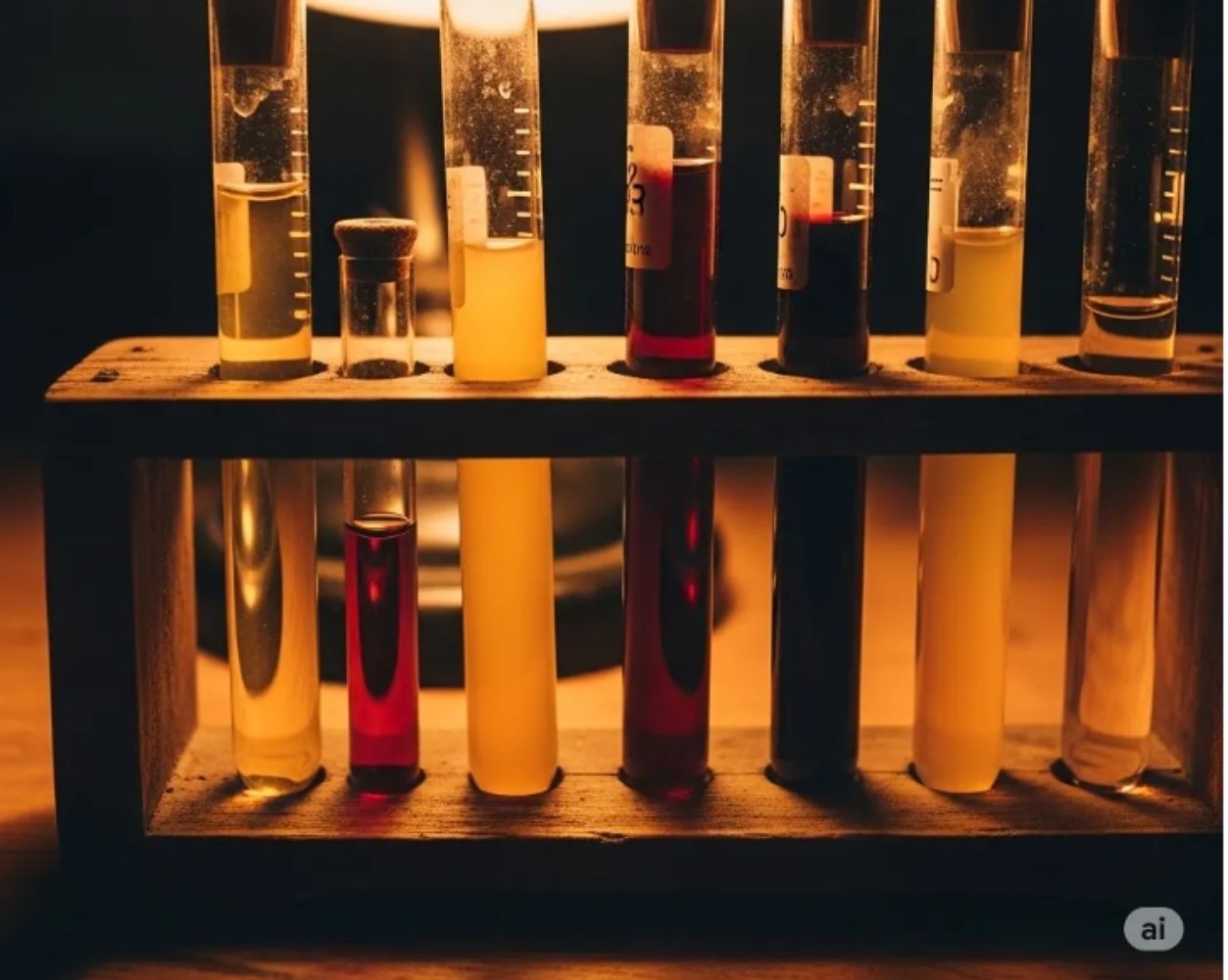 Scientists already began analysing blood, urine, and other body fluids in the 1800s, building the foundations of protein science. (Photo: Google Gemini)
So, how do scientists “see” proteins?
Mass spectrometry is one such method.
Think of a mass spectrometer as a state-of-the-art weighing scale for molecules. Not only is it able to detect trace amounts of substances, it also has high specificity, meaning it is able to distinguish between very similar molecules.
On top of that, its broad coverage means it is smart enough to detect a wide range of molecules and proteins.
At HTX, the Forensic Innovation and Research for Strategic Transformation (FIRST) laboratory is fitted with a liquid chromatography system that is coupled to a high-resolution Orbitrap mass spectrometer, which research scientists from the agency’s Forensics Centre of Expertise (CoE) use to run analyses of proteins and their sequence variants to develop new investigation capabilities for the Home Team.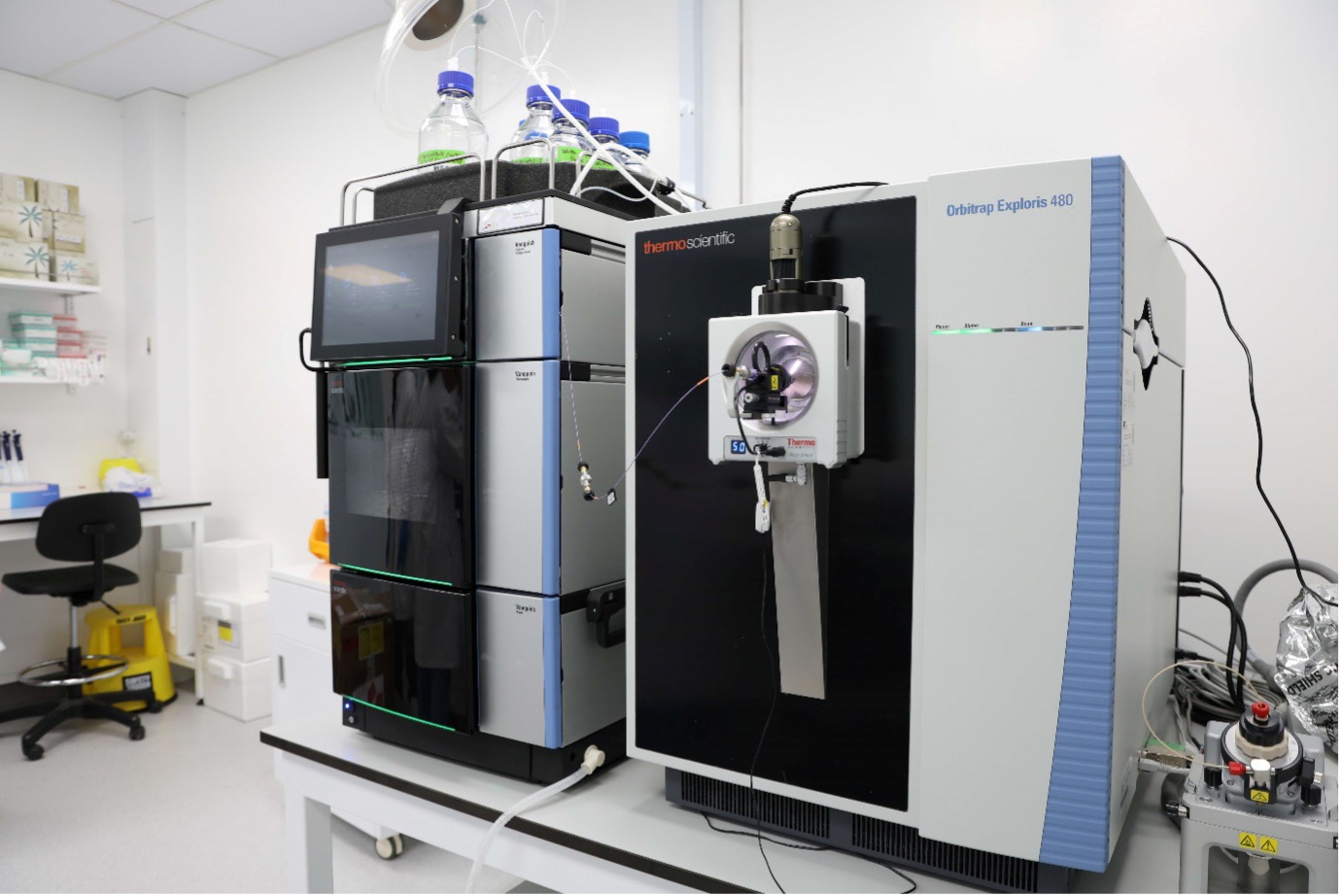 The liquid chromotography system and mass spectrometer setup at HTX’s FIRST lab. (Photo: HTX/Janna Giam)
From bodily fluids to skin and stomach contents, the team’s research goes deep into proteins from various biological materials.
One key area of focus? Hair proteins.
Did you know that an average person sheds about a hundred strands of hair each day? And that our hair carries protein sequences unique to us?
While shed hair typically does not contain enough intact nuclear DNA for short tandem repeats (STR) profiling – a DNA analysis method – it is loaded with keratin proteins, which makes it a goldmine for proteomics.
So, how exactly are hair proteins analysed in forensic investigations at the FIRST lab?
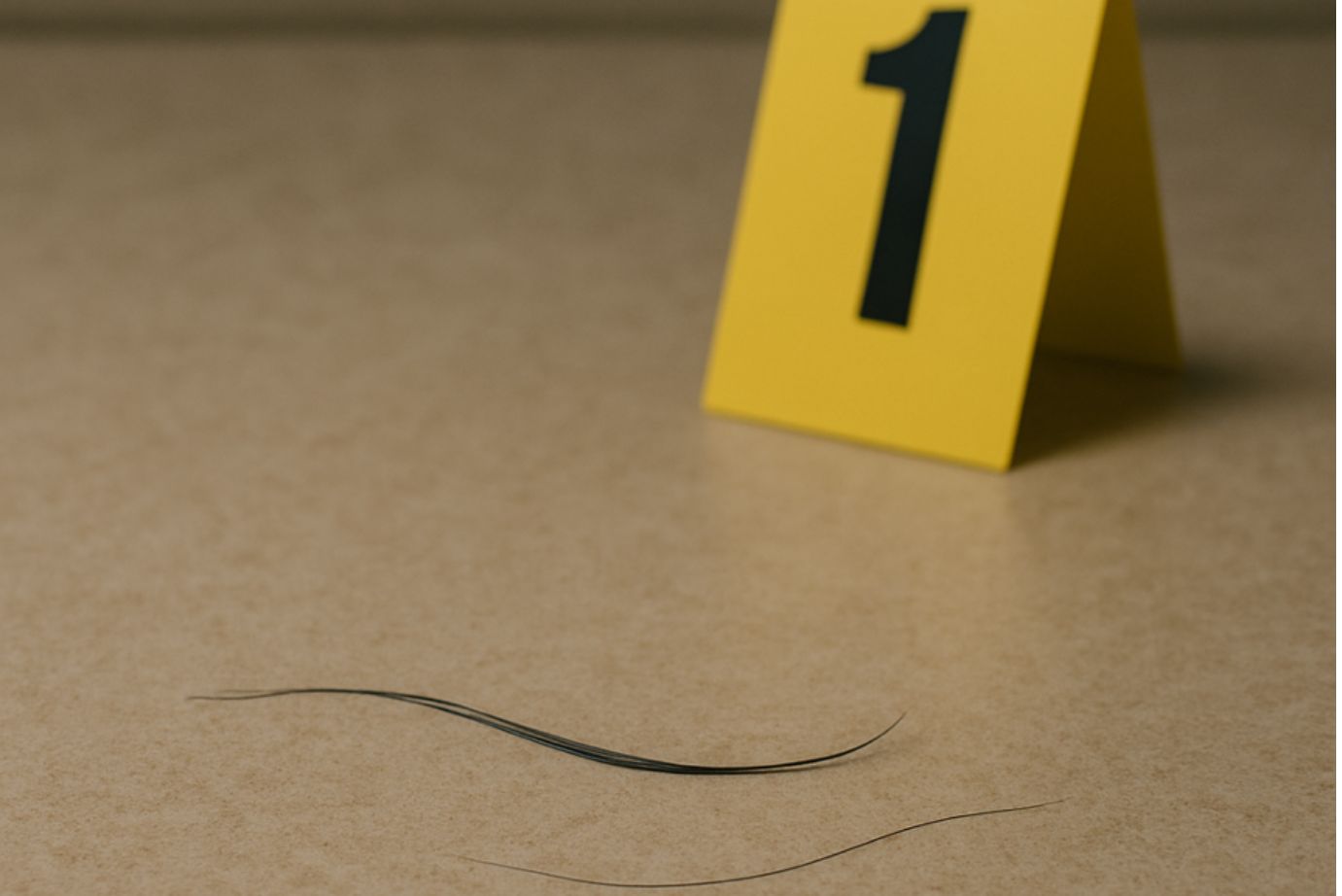
Firstly, a hair sample from the crime scene is obtained. So are hair samples or reference DNA from victims or suspects – so that a comparison can be made. (Photo: OpenAI)
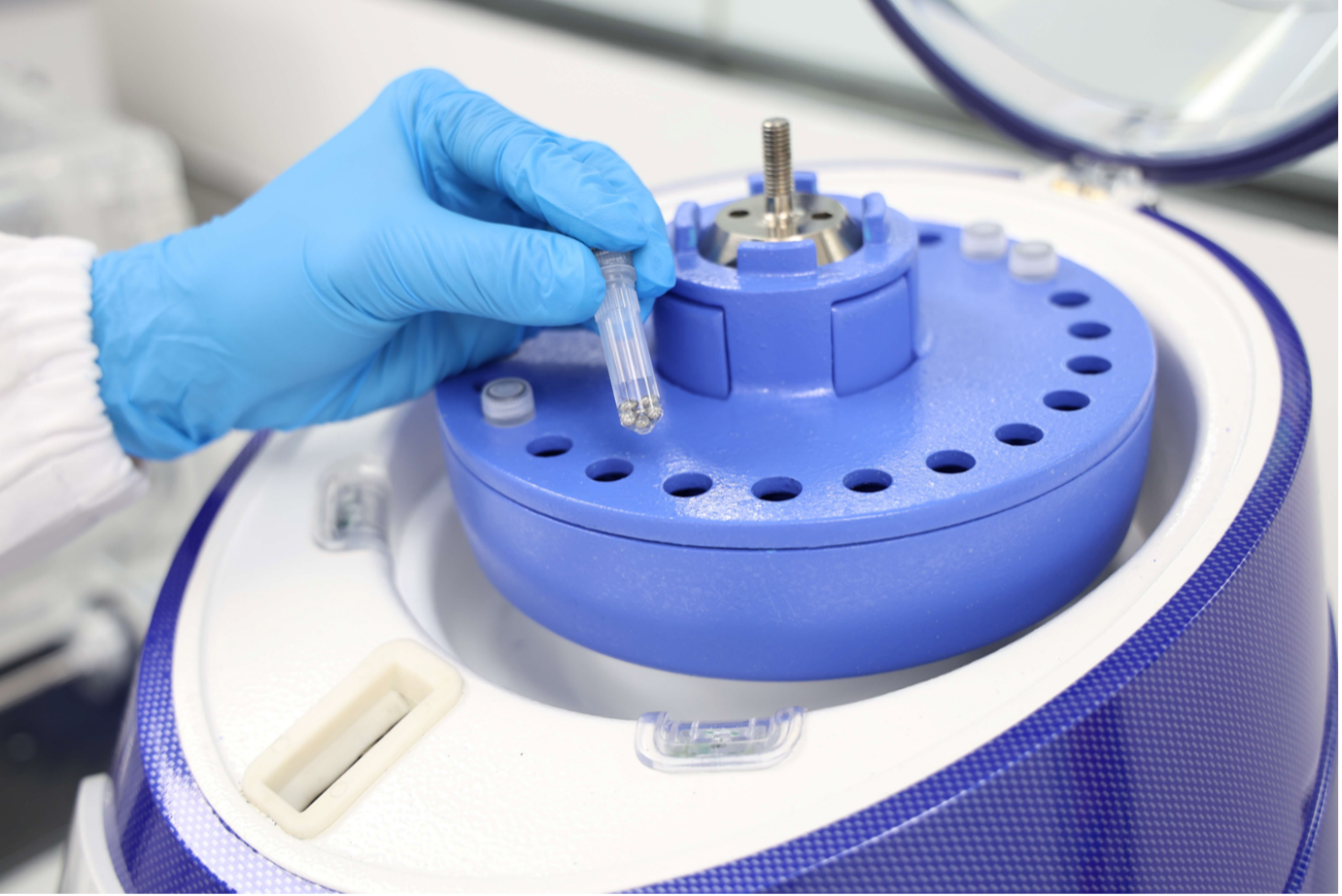
To prepare for analysis, the samples are physically broken down into smaller pieces using a homogeniser…
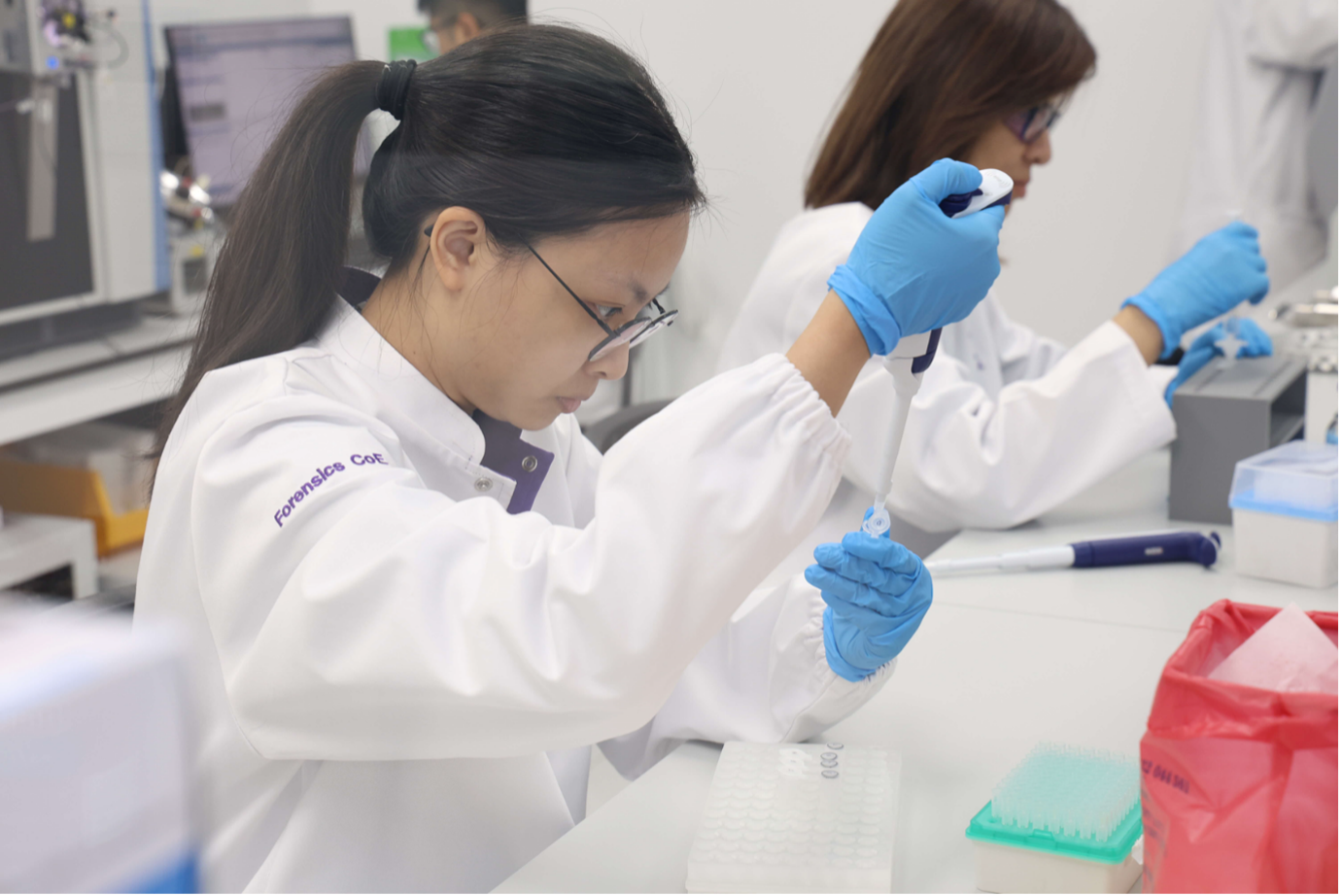
…and chemically broken down from proteins to peptides.
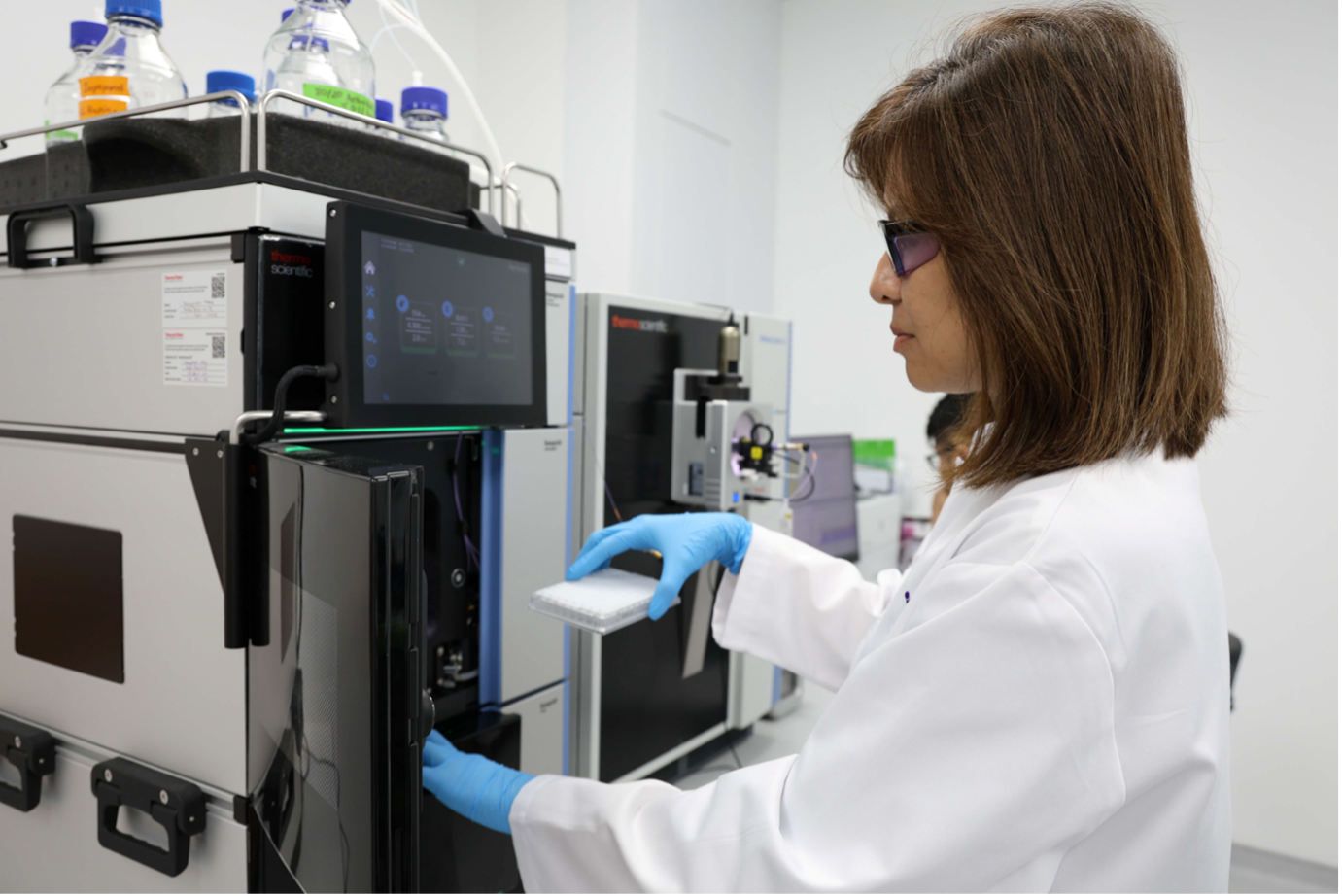
They are then run through the high-resolution liquid chromatography-mass spectrometry system.
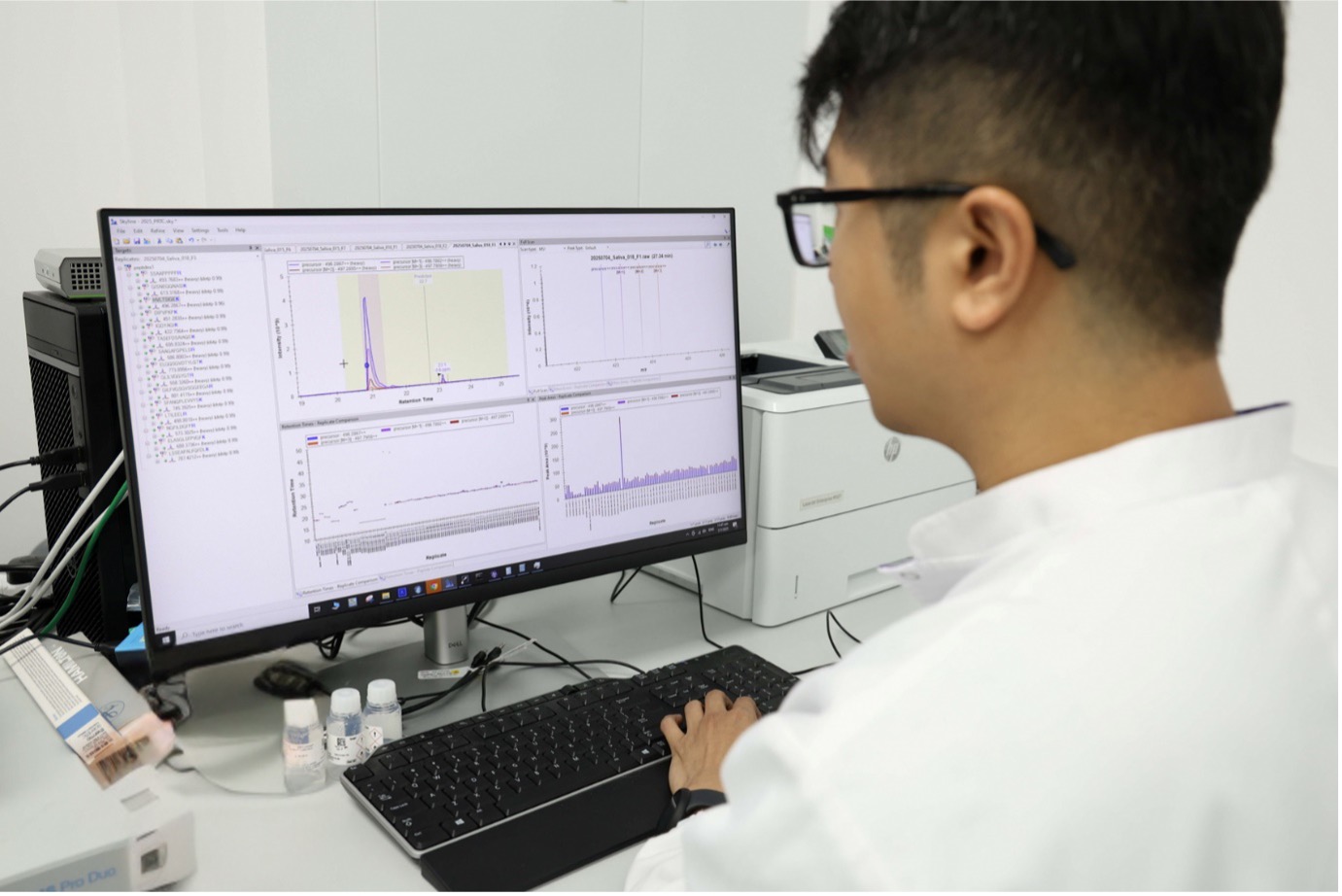
When the results are out, the sequences of hair peptides are compared between the case and reference samples. (Photos: HTX/Janna Giam).

And if it’s a match, they’ve got their person of interest! (Photo: Freepik)