
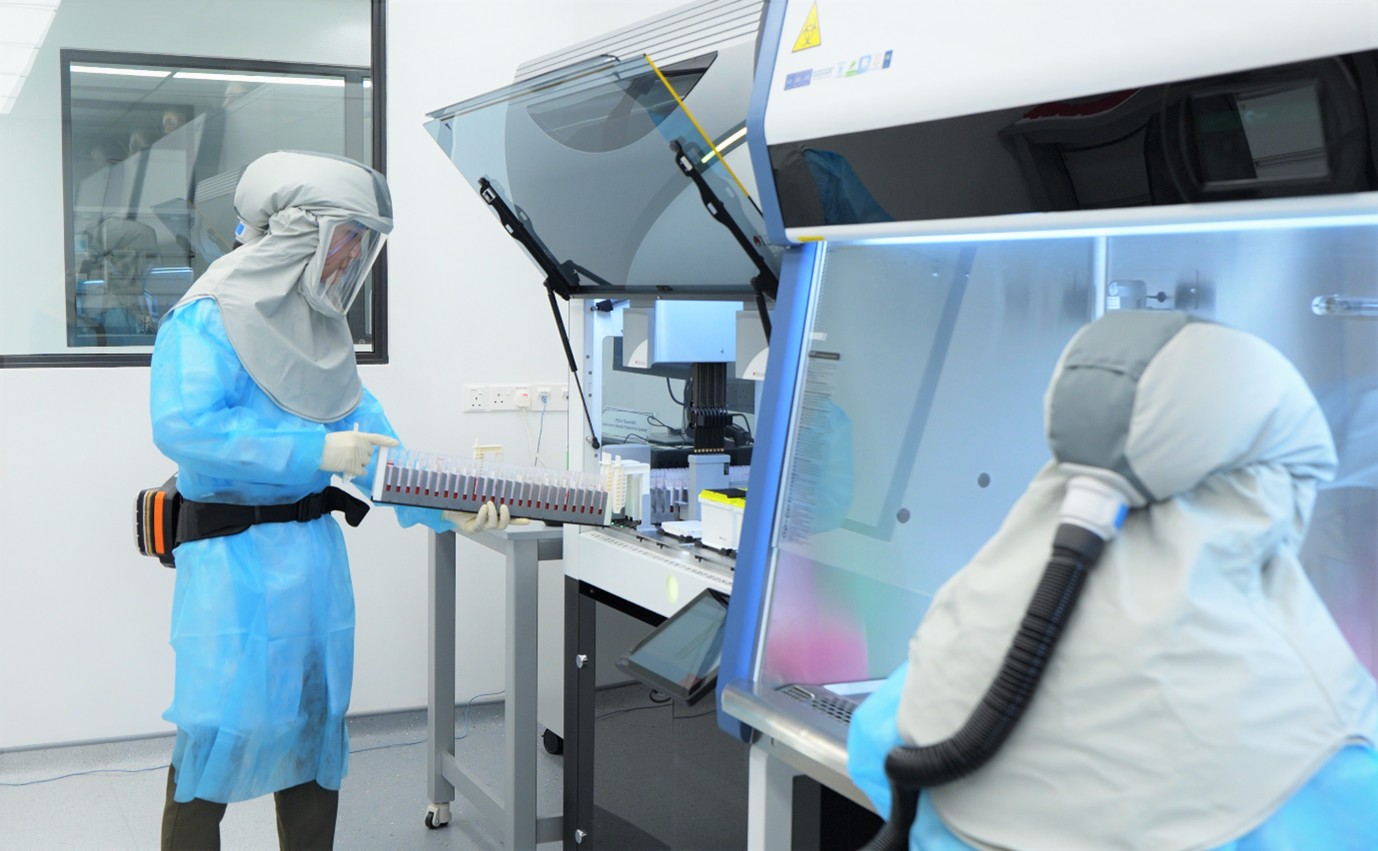
 Scientists in protective gear working within CBRNE@Changi. (Photo: HTX)
In this story:
- CBRNE@Changi, HTX’s newest R&D facility near Changi Airport, will strengthen Singapore’s pandemic preparedness and response to CBRNE threats.
- It will be able to handle more, faster, with real-time processing of passenger and cargo samples collected at the air border.
- Next-generation R&D in CBRNE detection technologies will also be conducted in the facility to better identify and respond to emerging or unknown threats.
HTX is taking the nation’s air border safety against Chemical, Biological, Radiological, Nuclear and Explosives (CBRNE) threats to the next level with the opening of CBRNE@Changi on 16 January 2026.
The new facility is the latest addition to HTX’s growing network of research and development (R&D) facilities across the country. It is also the first CBRNE lab in eastern Singapore.
Nestled within the Changi Airfreight Centre, a stone’s throw from Changi Airport, CBRNE@Changi was designed with lessons from the Covid-19 pandemic in mind.
It will play a crucial role in the nation’s future pandemic response by cutting pandemic testing times from six to four hours, and increasing the testing capacity of cargo samples by tenfold.
In addition, CBRNE@Changi will support R&D in cutting-edge CBRNE detection technologies, as well as day-to-day CBRNE operations.
Coordinating Minister for National Security and Minister for Home Affairs Mr K Shanmugam was the guest of honour at the opening ceremony.
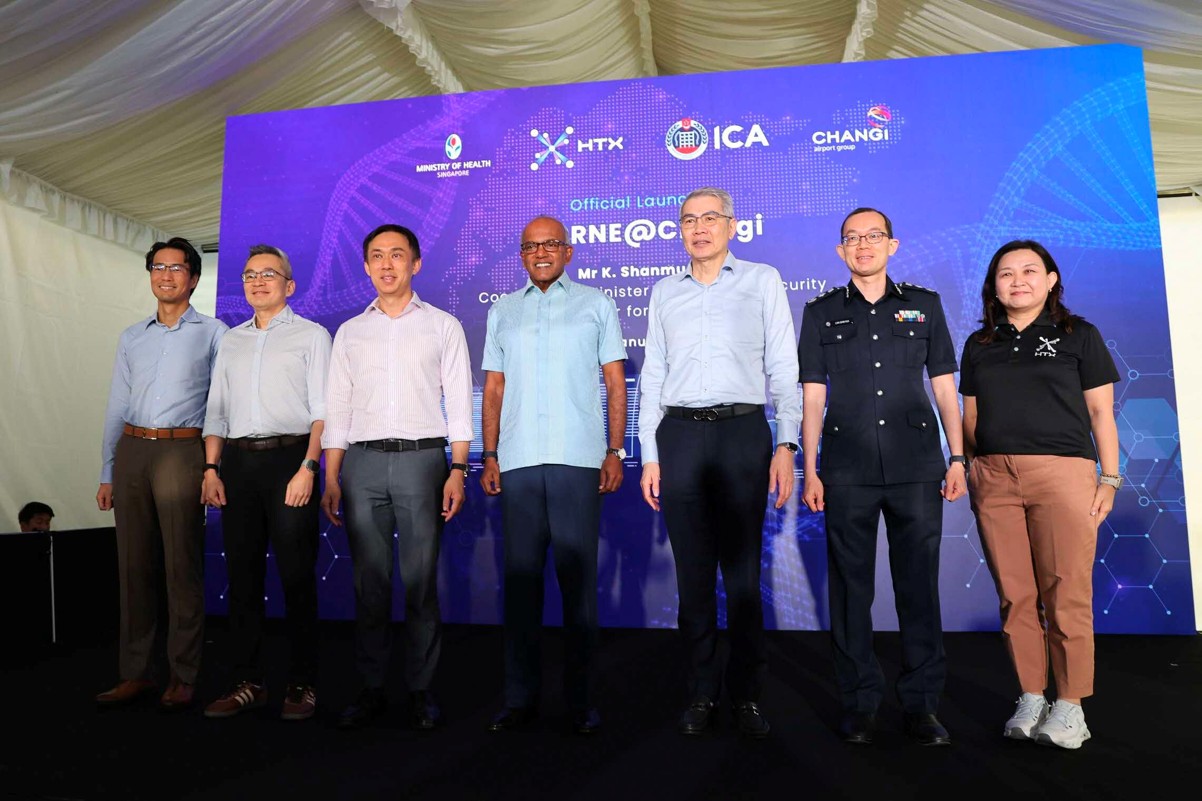 (From left) Chief Executive Officer, Communicable Diseases Agency, Professor Vernon Lee; HTX Chief Executive Mr Chan Tsan; Permanent Secretary (Home Affairs Development), Ministry of Home Affairs and Chairman of HTX, Mr Tan Chye Hee; Coordinating Minister for National Security and Minister for Home Affairs Mr K Shanmugam; Chairman, CAG Mr Lim Ming Yan; and Commissioner, ICA Mr Lian Ghim Hua officially launch the facility, accompanied by Director, HTX CBRNE Centre of Expertise May Ong. (Photo: HTX/Law Yong Wei)
“Some of the lessons we learnt from Covid-19 – again, facility on-site near the airport, because when the next pandemic strikes, you’re not going to have time to prepare this,” said Minister K Shanmugam to media at the event.
“So with the lessons learnt, we have put in a state-of-the-art facility for testing for pandemics.”
Designed for resilience
Spanning 6,352 sq m, CBRNE@Changi is split into three distinct zones – a Clinical Workflow Area which supports pandemic testing operations, FAST Lab for CBRNE research, and CBRNE Area for day-to-day operations.
Such operations include cargo sample testing, sensor-related research to detect bio-terrorism agents, and assessments of devices like the e-Nose, which detects hazardous airborne chemicals.
The zonal design is what makes the facility resilient in the event of a pandemic – the CBRNE Area can be completely sealed off via an air-locked corridor to prevent cross-contamination with pandemic tests while keeping daily operations running. And as testing needs surge, the FAST Lab can be reconfigured to add capacity.
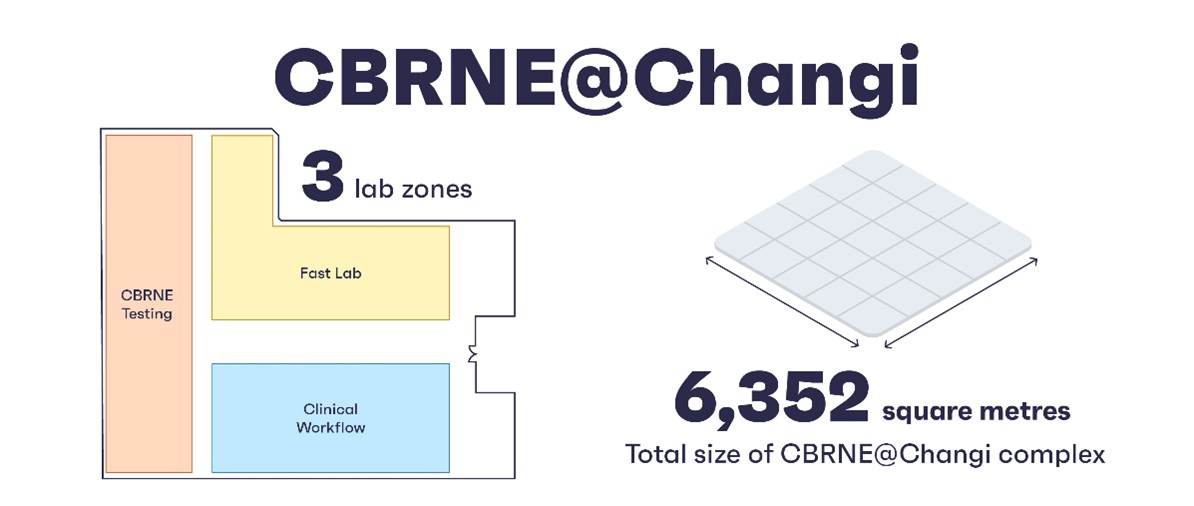 An overview of CBRNE@Changi and its three lab zones. Reconfiguration and setting up for pandemic operations could happen within 48 to 72 hours. (Infographic: HTX/Nicole Lim)
This design tackles a key challenge HTX’s CBRNE Centre of Expertise (CoE) faced during Covid-19 – keeping multiple workflows running in parallel within the same facility, without disruption.
May Ong, director of the CBRNE CoE, explained: “CBRNE@Changi is designed to do more than meet today’s operational needs. By combining frontline CBRNE operations with deep biological research at the air border, we are building the capabilities needed to understand the unknown faster and respond more decisively.”
Strengthening pandemic preparedness
The location for this newest lab couldn’t be more strategic – located right next to Singapore’s main airport, the lab will improve the turnaround time for testing of human samples from air travellers during a pandemic and cargo swab samples during normal circumstances.
Before CBRNE@Changi was built, cargo swab samples had to be transported to the Woodlands Checkpoint Lab. During Covid-19, swab samples had to be transported from Changi Airport to the Pasir Panjang lab in the south for processing.
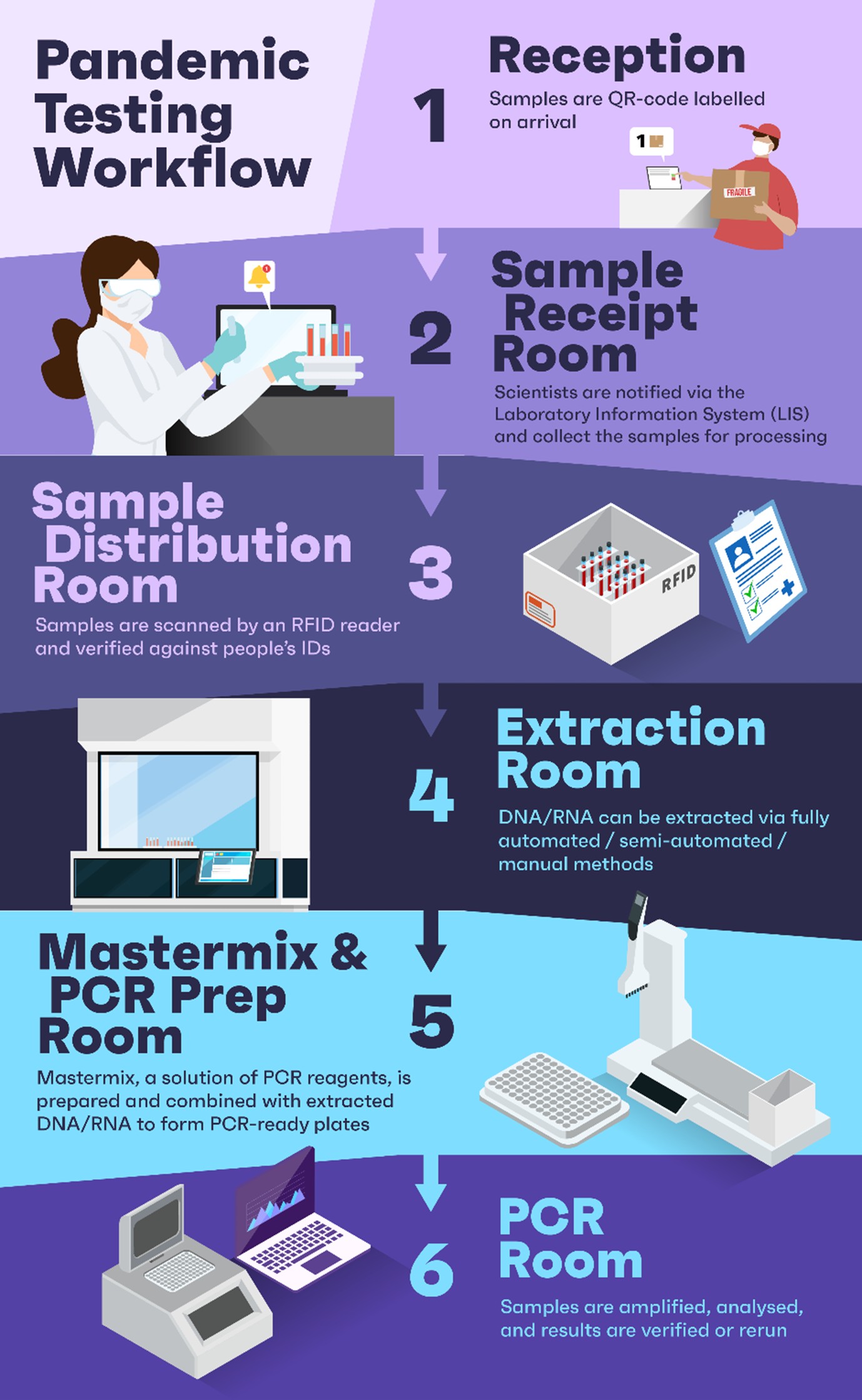 How swab samples received from passengers entering Singapore will be processed in CBRNE@Changi’s Clinical Workflow Area. (Infographic: HTX/Nicole Lim)
“It’s good to have a facility on-site, near the airport. In the past, we used to send it to Pasir Panjang or Woodlands – takes time,” Minister Shanmugam commented.
He added that CBRNE@Changi will enable “quick turnaround, better safety, and it’s much more digitised, much more automated”.
The CBRNE@Changi team will be among the nation’s first responders in a pandemic, leveraging advanced automation and informatics to rapidly scale diagnostic throughput, and deploy new Polymerase Chain Reaction (PCR) assays and sequencing workflows in response to emerging variants or novel pathogens.
“Border security will be strengthened as we can now achieve higher screening throughput with improved accuracy and respond more swiftly to potential threats,” said ICA Air Domain Commander, Senior Assistant Commissioner (SAC) Siew Chui Lin.
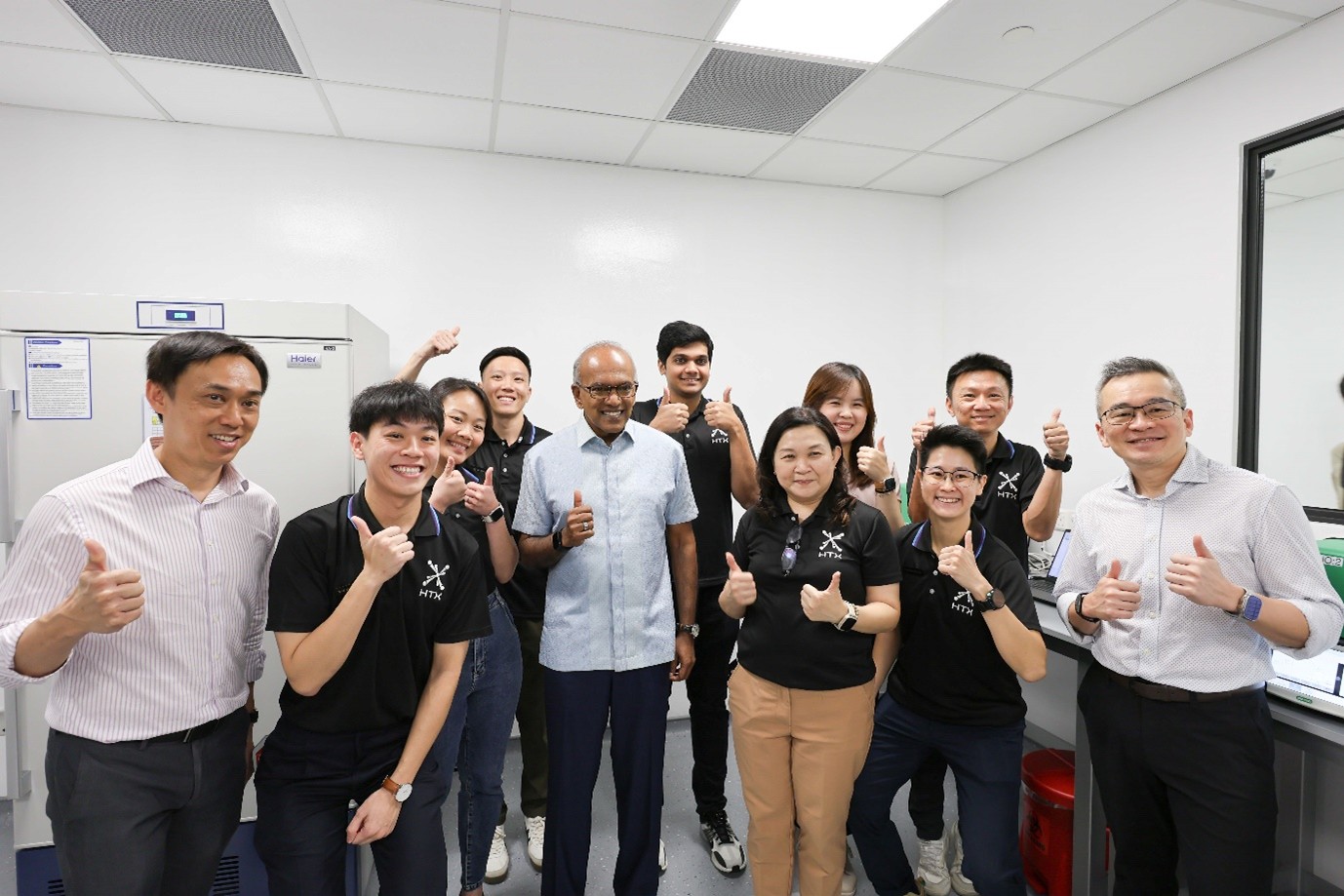 Minister Shanmugam (centre) strikes a pose after interacting with the scientists and engineers who work at CBRNE@Changi. (Photo: HTX/Law Yong Wei)
Deeper research, stronger capabilities
CBRNE@Changi’s FAST Lab is fitted with cutting-edge tools for artificial intelligence (AI)-driven R&D, strengthening the nation’s preparedness against CBRNE threats.
One R&D area is omics research, the large-scale study of entire sets of biological molecules within an organism such as genes, proteins or metabolites, to understand how these components interact as a whole.
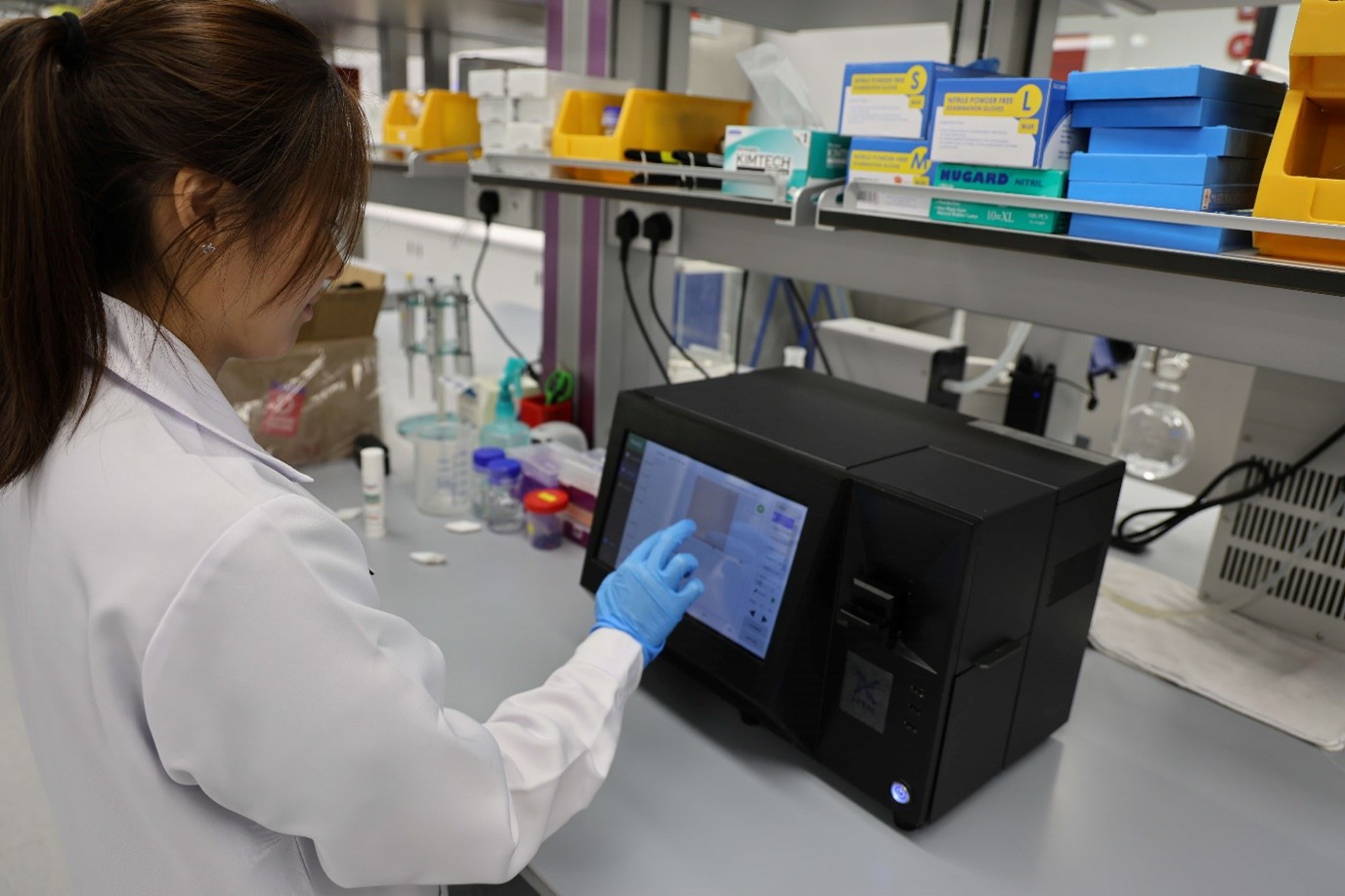
 Using best-in-class technologies, omics-based research conducted in CBRNE@Changi will aid the Home Team by informing the development of powerful tools for identifying biological threats, tracking pathogens and enhancing risk assessment. (Photo: HTX/Dorcas Yang)
Another area is agnostic detection, which includes the development of tests and diagnostic tools for broad testing. Such capabilities will allow HTX’s scientists to identify threats without prior knowledge of a specific agent or substance – significantly augmenting the Home Team’s efforts to secure Singapore’s borders.
The lab will also serve as a platform for the checking and validation of CBRNE handheld detectors.
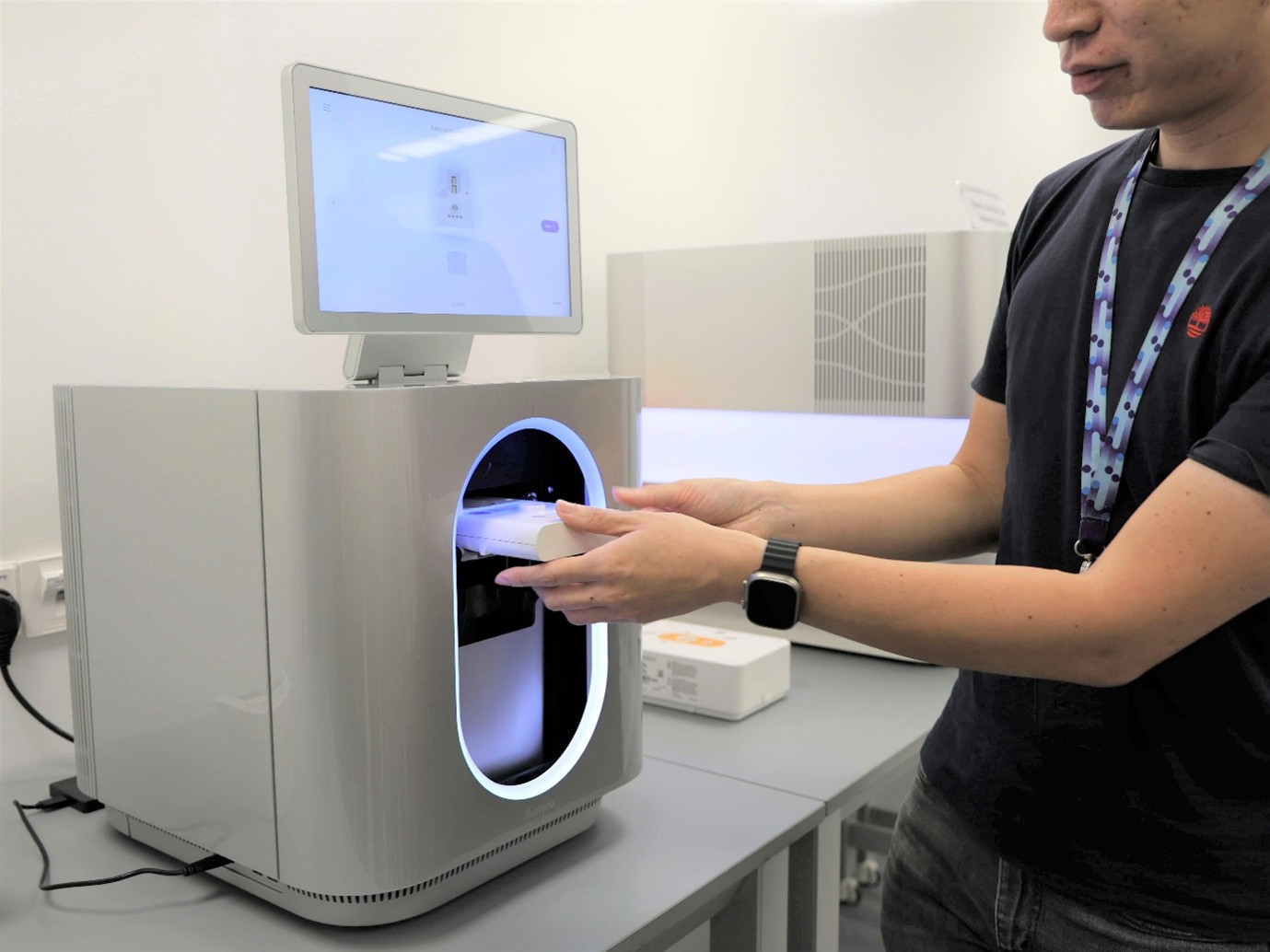
 A CBRNE scientist uses a prototype portable mass spectrometer that is being developed by HTX in partnership with Shimadzu. This device could be a gamechanger as it would allow for laboratory-quality analysis in the field. Presently, handheld detectors are widely used for field screening due to their lightweight design and rapid analysis capabilities. However, portability often comes at the expense of sensitivity and specificity. (Photo: HTX/Vivian Koh)
Here’s an overview of the benefits CBRNE@Changi is expected to bring:
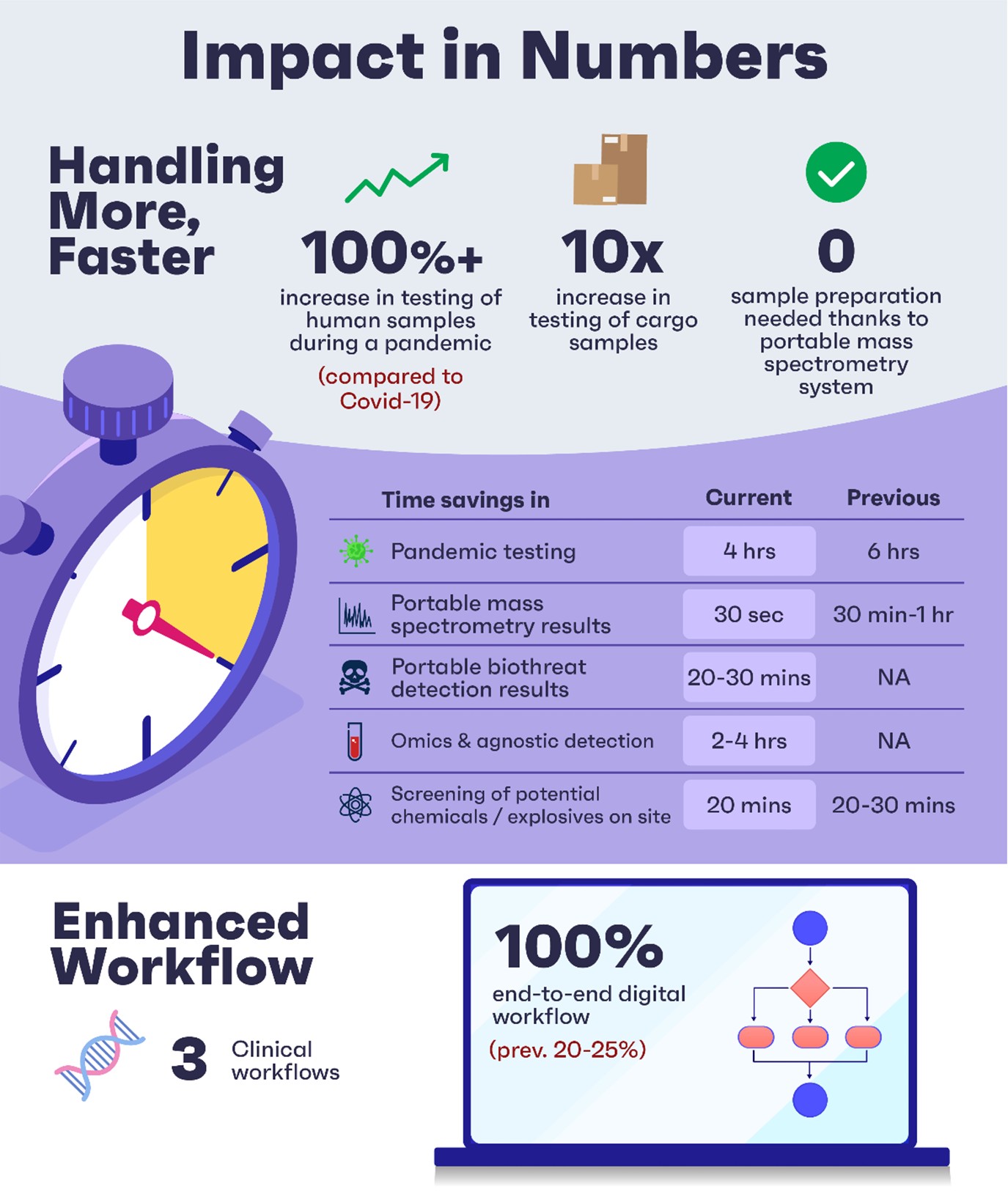 (Infographic: HTX/Nicole Lim)
Watch the launch of CBRNE@Changi here:
(Video: HTX)
Take a closer look inside the walls of CBRNE@Changi here:
(Video: HTX)