
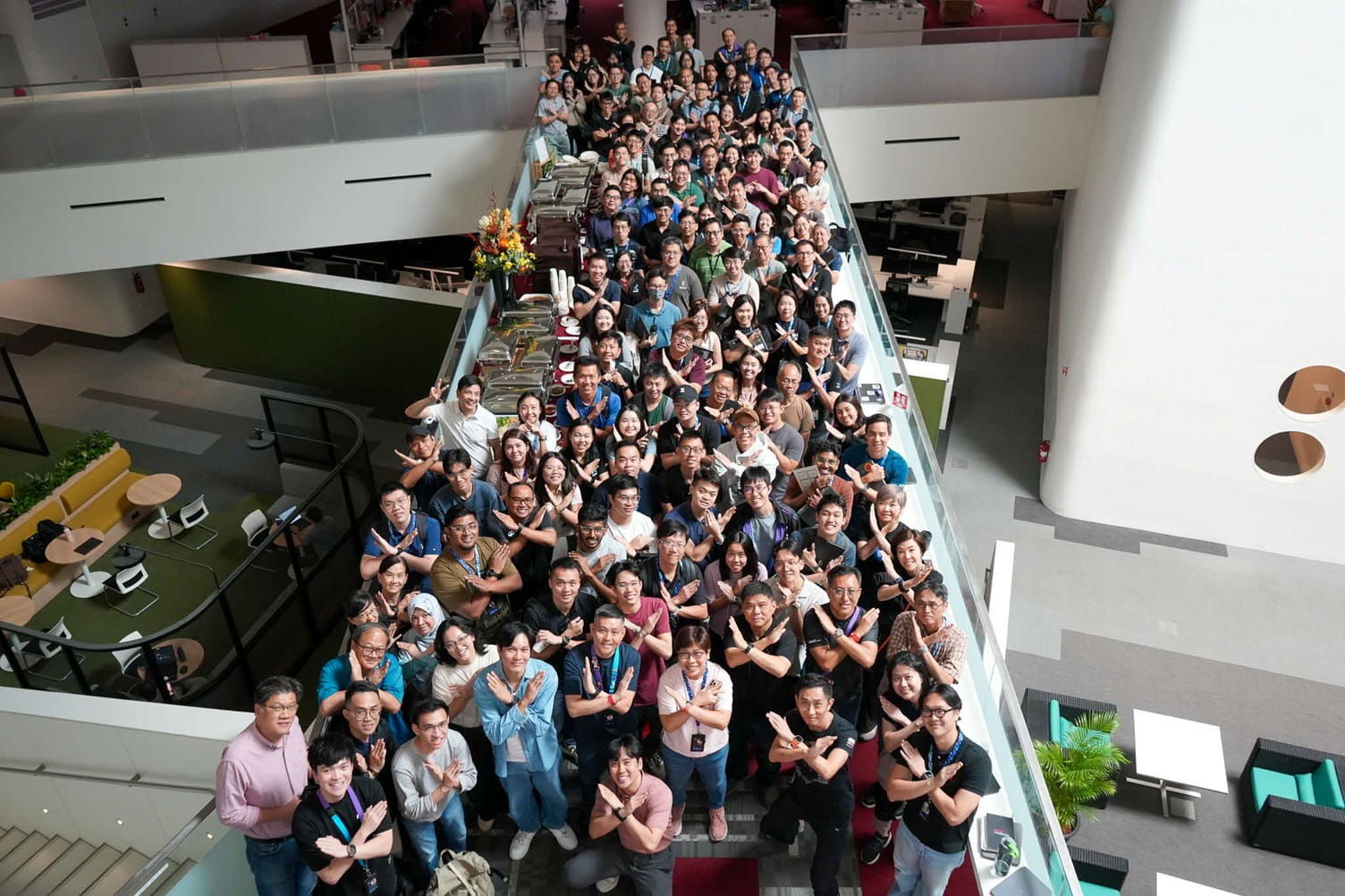
 Xponents from various engineering Centres of Expertise (CoEs) gathered for the inaugural Engineering COEs GO! session at HTX. (Photo: HTX/Nicole Lim)
- The inaugural Engineering COEs GO! session reinforced the importance of collaboration in delivering integrated solutions for complex operational challenges.
- PSS CoE’s restructuring and its new Security Screening Technologies (SST) division signal a shift towards more proactive, tech-enabled security powered by multi-domain expertise.
- Engineering teams are moving from bespoke builds to modular, scalable and autonomous systems, improving agility, cost efficiency and deployability across use cases.
- Collaboration across teams is driving impactful innovations, including autonomous systems and next-generation clearance solutions like Project eXpedience.
In today’s complex and resource-constrained engineering landscape, strong teamwork is more critical than ever.
That was the key message delivered by Assistant Chief Executive (Engineering) Cheng Wee Kiang at the inaugural Engineering COEs GO! session held at HTX HQ on 27 March.
The event, which convened Xponents from across HTX’s engineering Centres of Expertise (CoEs), aimed to deepen understanding of each team’s work, uncover synergies and drive cross-functional innovation.
A unified approach
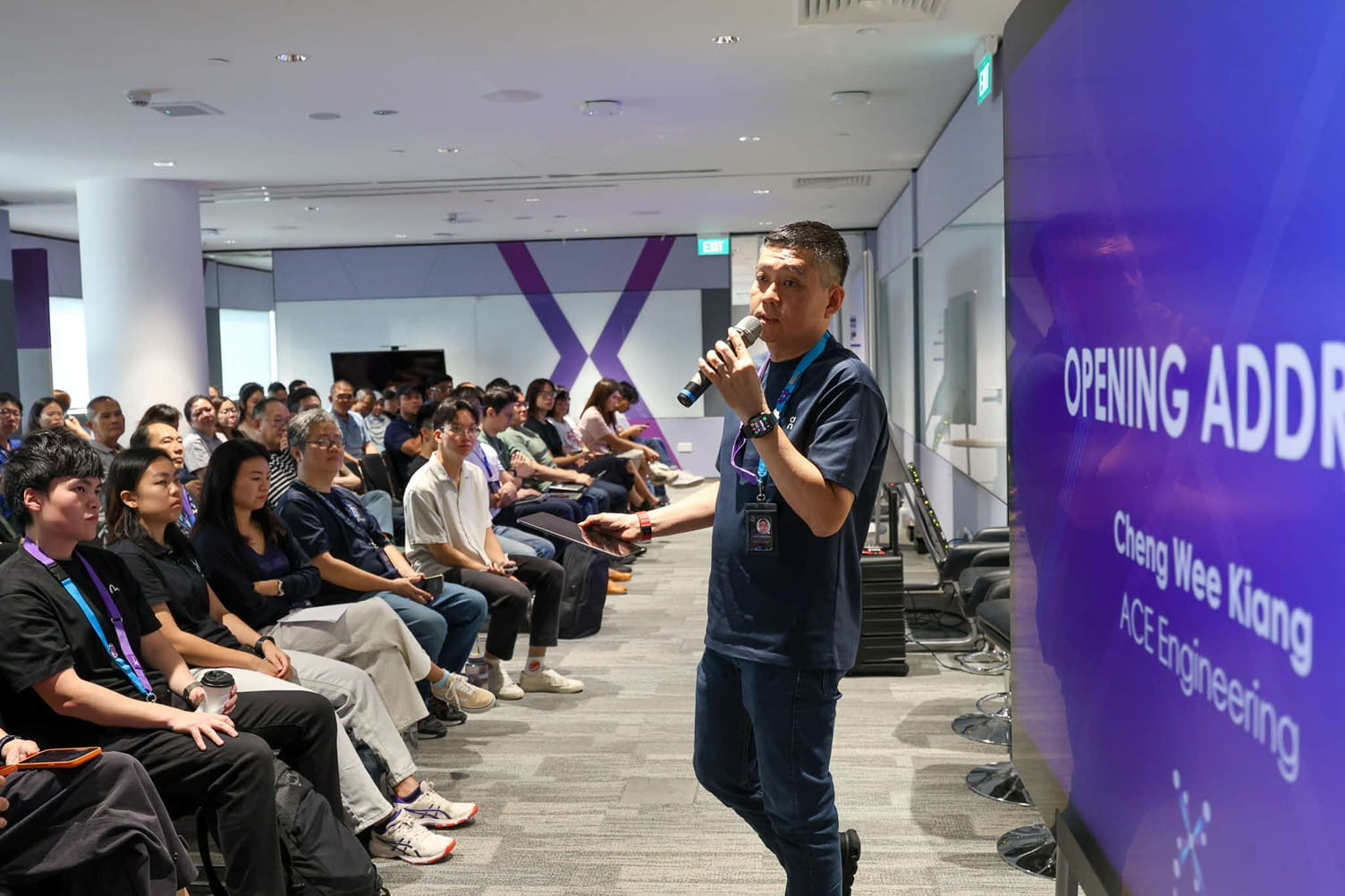 HTX Assistant Chief Executive (Engineering) Cheng Wee Kiang highlighted opportunities for greater synergy between HTX’s engineering CoEs. (Photo: HTX/Nicole Lim)
Close collaboration is a growing focus across HTX’s engineering divisions as they evolve in lockstep with one another. Notably, the Protective Security & Safety (PSS) CoE’s upcoming restructuring will facilitate the holistic coordination of associated capabilities across HTX to deliver more integrated security solutions under its new Security Screening Technologies (SST) branch.
SST’s pipeline includes a concept that enables proactive security screening beyond fixed checkpoints. Drawing expertise from CoEs such as Biometrics & Profiling (B&P), Human Factors & Simulation (HFS), Sensors and Sensemaking (S&S) and Chemical, Biological, Radiological, Nuclear, and Explosives (CBRNE), the system identifies risks earlier using video analytics, behavioural signals and bio-sensing.
This means it can scan individuals from a distance without stopping them and apply different levels of checks based on risk, swiftly deterring threats such as attacks in crowded areas.
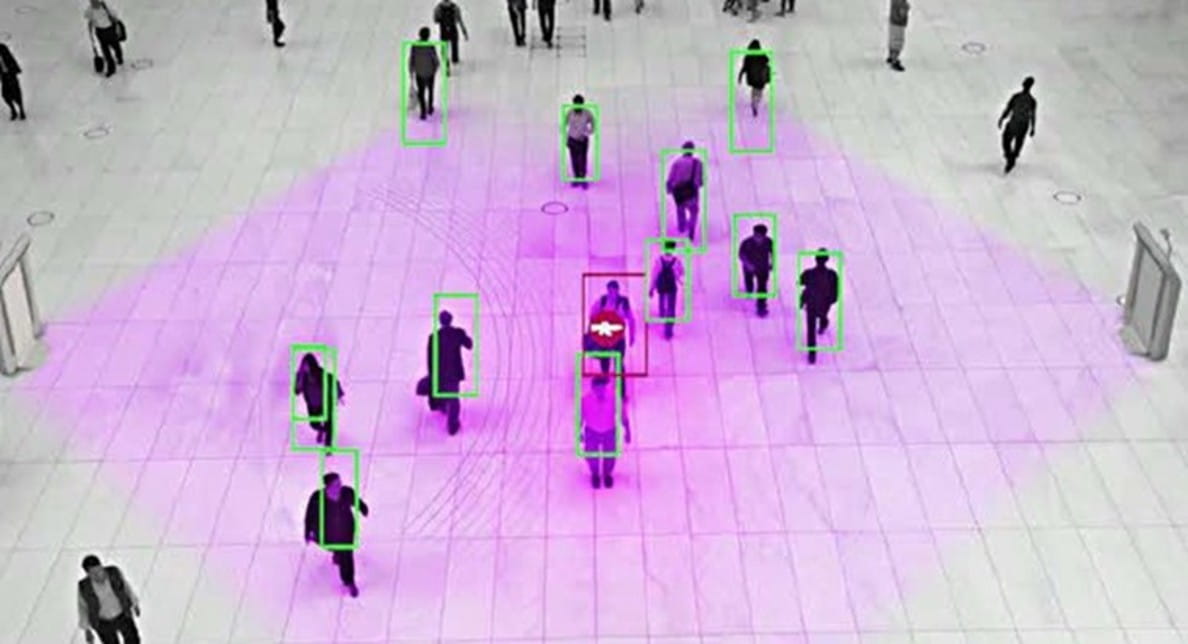 PSS and other HTX divisions are co-developing a security screening concept that utilises video analytics, behavioural signals and bio-sensing. (Photo: HTX/PSS)
Ng Shu Herng, director of PSS, shared that leveraging the expertise of other engineering pillars has enabled his team to more effectively co-develop next-generation screening solutions.
“Cross-functional innovation is key because capability building in silos leads to duplicated efforts, inconsistent approaches, limited interoperability and missed outcomes,” he said.
PSS is also accelerating the development of integrated AI-enabled systems. These include a Robotics, Automation & Unmanned Systems (RAUS)-led project that uses AI and smart sensors to automatically detect contraband on returning inmates, making screening faster, more consistent and less manpower-intensive for the Singapore Prison Service (SPS).
Gunning for greater versatility
Central to the engineering cohort’s efforts to stay future-ready is a shift from bespoke builds to modular, scalable and autonomous systems for agility and cost efficiency. Achieving this requires strong integration across teams to deliver cohesive, end-to-end solutions.
The Vehicle & Weapon Systems (VWS) CoE, for example – which introduced the Common Vehicle Platform (CVP) and Common Vetronics Architecture (CVA) to standardise and future-proof vehicle platforms – is working with RAUS to develop an autonomous food delivery vehicle for SPS that will free up manpower to focus on higher-value tasks.
VWS Director Tan Chuan-Yean highlighted further collaboration opportunities, from integrating robotic payloads to developing vehicles for emerging use cases including humanoid transportation.
“The CoEs will have to work together to ensure systems are seamlessly integrated, so users can operate them as one. Today’s challenges are getting more complex and require multi-disciplinary skills to provide a comprehensive solution,” he added.
Another team driving this shift is the Marine Systems (MS) CoE, which is evolving from a vessel builder into a systems integrator focused on modular fleets, autonomous technologies and digital integration.
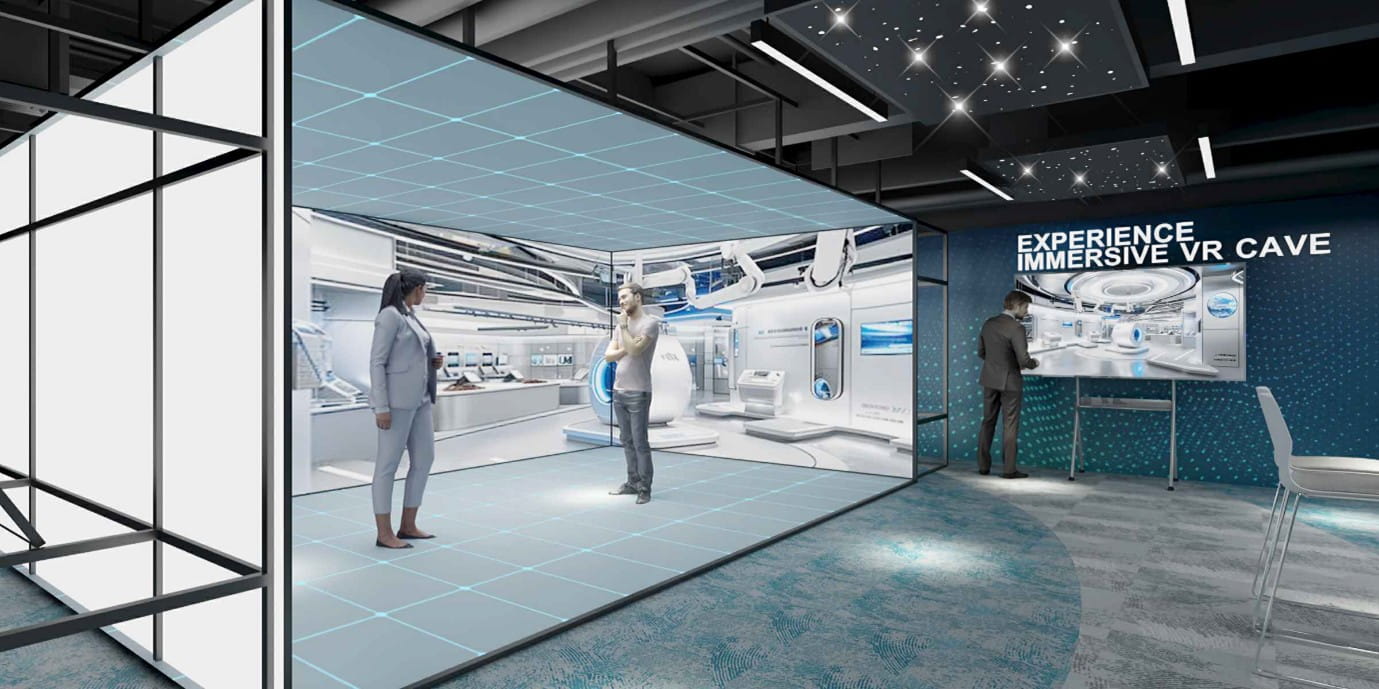 MS CoE’s Marine Advanced Systems & Technology (MAST) Lab enables the integration of new capabilities across vessels. (Illustration: HTX/MS CoE)
For instance, vessels are being redesigned as multi-functional platforms that can deploy drones and unmanned systems. At the same time, MS is exploring hybrid “manned-unmanned” vessels that can be operated remotely from shore while still retaining onboard capabilities when needed.
To support this, MS established the Marine Advanced Systems & Technology (MAST) Lab, which accelerates innovation and standardises system design across vessels.
“Using a common product approach will allow us to better integrate new capabilities across the Home Team’s range of vessels,” said Chung Kam Sam, Director of MS CoE.
One example is video analytics that can automatically detect objects or persons overboard at sea, reducing reliance on human observation. Co-developed with the Policing Programme Management Centre (PPMC) and S&S, this capability is featured on SCDF’s 2nd Generation Marine Rescue Vessel (MRV2G) Blue Dolphin, which was delivered and operationalised in 2025.
MS is now working to integrate such capabilities across more vessels.
More impactful solutions ahead
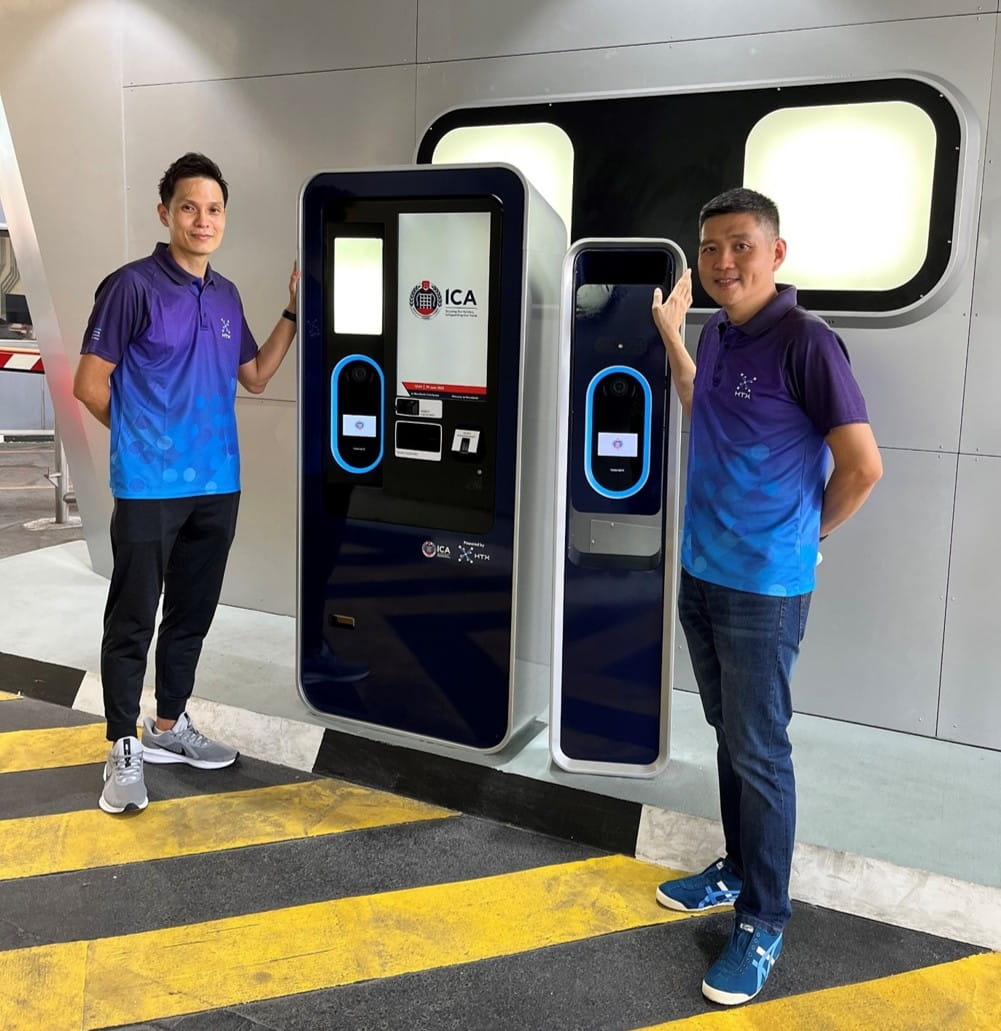 Dr Daniel Teo, Director of RAUS (left) and ACE (Engineering) Cheng Wee Kiang with the APICS self-help kiosk (Photo: HTX)
Finally, while RAUS has been instrumental to automation efforts across HTX, its director Dr Daniel Teo emphasised that its most impactful projects – including the Automated Passenger In-Car Clearance System (APICS) deployed at land checkpoints – have relied on close collaboration with peers from other domains.
True to form, RAUS is currently co-developing a new concept called Project eXpedience with B&P. This new tech will allow passengers to complete biometric immigration clearance on their phones while waiting in line at vehicular land checkpoints, thus easing congestion without compromising security.
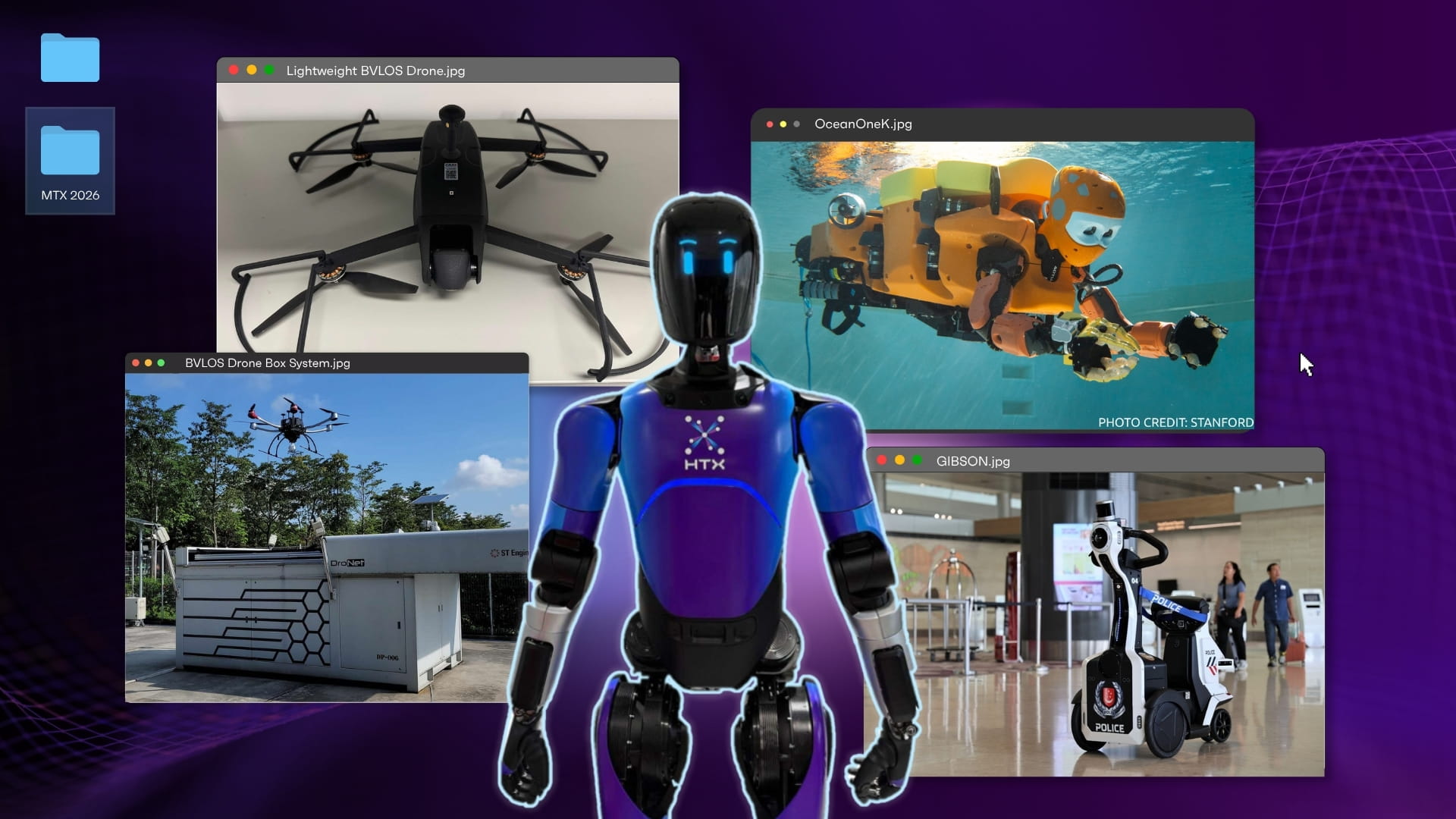 Cutting-edge solutions developed by HTX engineering teams will be showcased at the upcoming Milipol TechX Summit (MTX). (Photo: HTX/Nicole Lim)
With engineering roadmaps increasingly aligned, HTX is well-positioned to deliver more integrated and impactful technologies to force multiply the Home Team – some of which will be showcased at the upcoming Milipol TechX Summit (MTX) from 28 to 30 April 2026 at the Marina Bay Sands Expo and Convention Centre.
Closing the session, ACE Wee Kiang encouraged Xponents to adopt a systems engineering mindset.
“It’s about making our solutions smarter, more integrated and more impactful,” he surmised.