
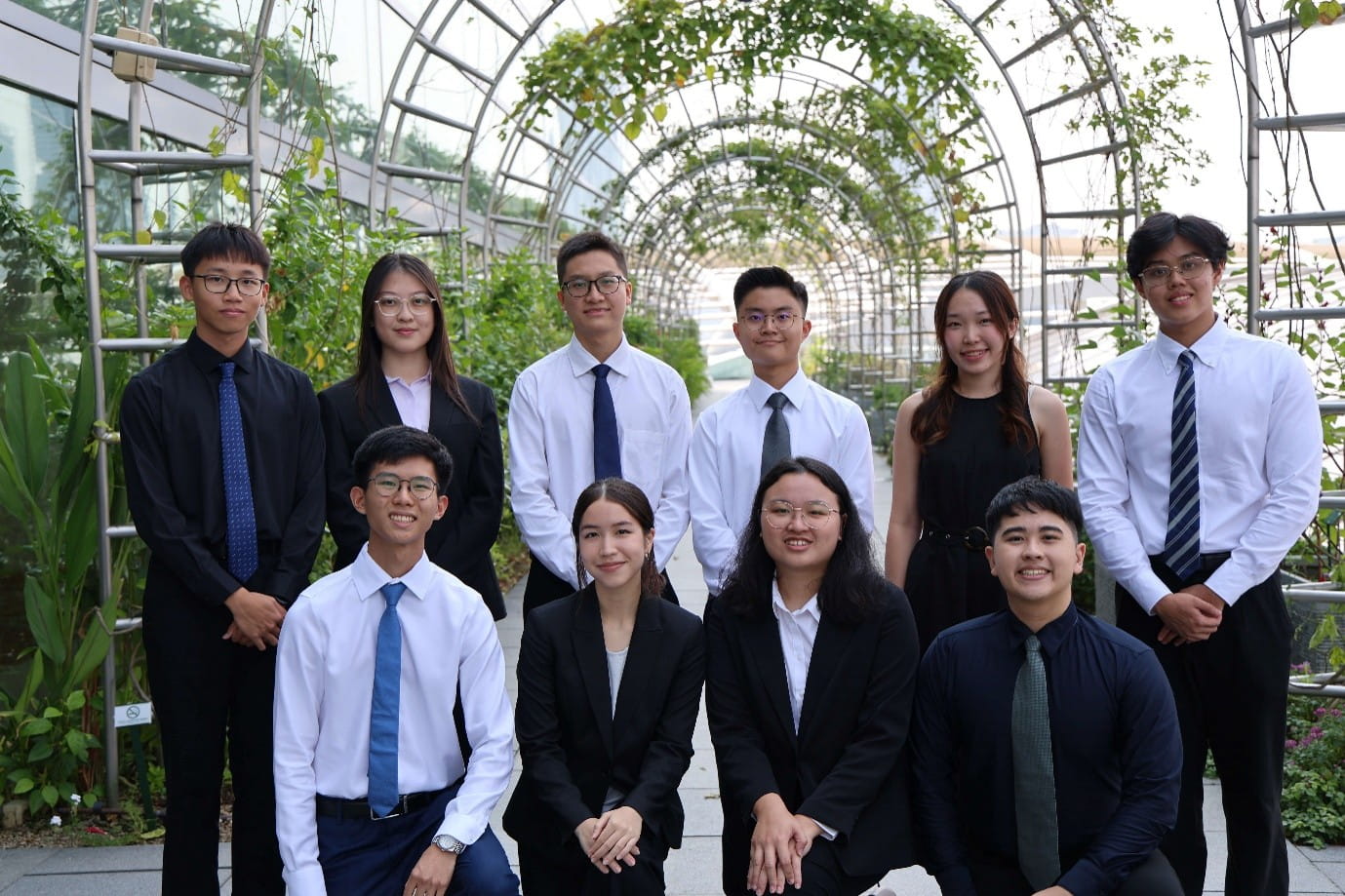
 Front row (from left): PSC (Engineering) Defence and Security scholars Luke Tham, Matilda Davies, Amber Goh, James Teo. Second row (from left): Huang Yuebin, Kyra Koh, Nathanael Kusuma, Bek Joon Hao, Kaydee Lee, Loh Jun Kai. (Photo: HTX/Cara Yap)
- HTX awarded scholarships to six recipients at the Singapore Police Force Scholarship and MHA Scholarships Award Ceremony 2026 held on 18 August.
- Four PSC Scholarship (Engineering) – Defence and Security recipients are also set to join HTX.
- This year, 40 scholarships were conferred across uniformed and civilian categories.
- Three future Xponents – Matilda Davies, Nathanael Kusuma and Kyra Koh – share how their interests dovetail with their desire to enhance Singapore’s public safety through science and technology.
Ten of the 40 scholars recognised at the Singapore Police Force Scholarship and Ministry of Home Affairs (MHA) Scholarships Award Ceremony 2026 are set to join HTX after completing their studies.
Held at Marina Bay Sands Convention Centre on 18 August, the ceremony saw scholarships conferred across uniformed and civilian categories.
HTX awarded six scholarships to top STEM (Science, Technology, Engineering and Mathematics) talents, while four Public Service Commission (PSC) Scholarship (Engineering) – Defence and Security scholars are set to join HTX.
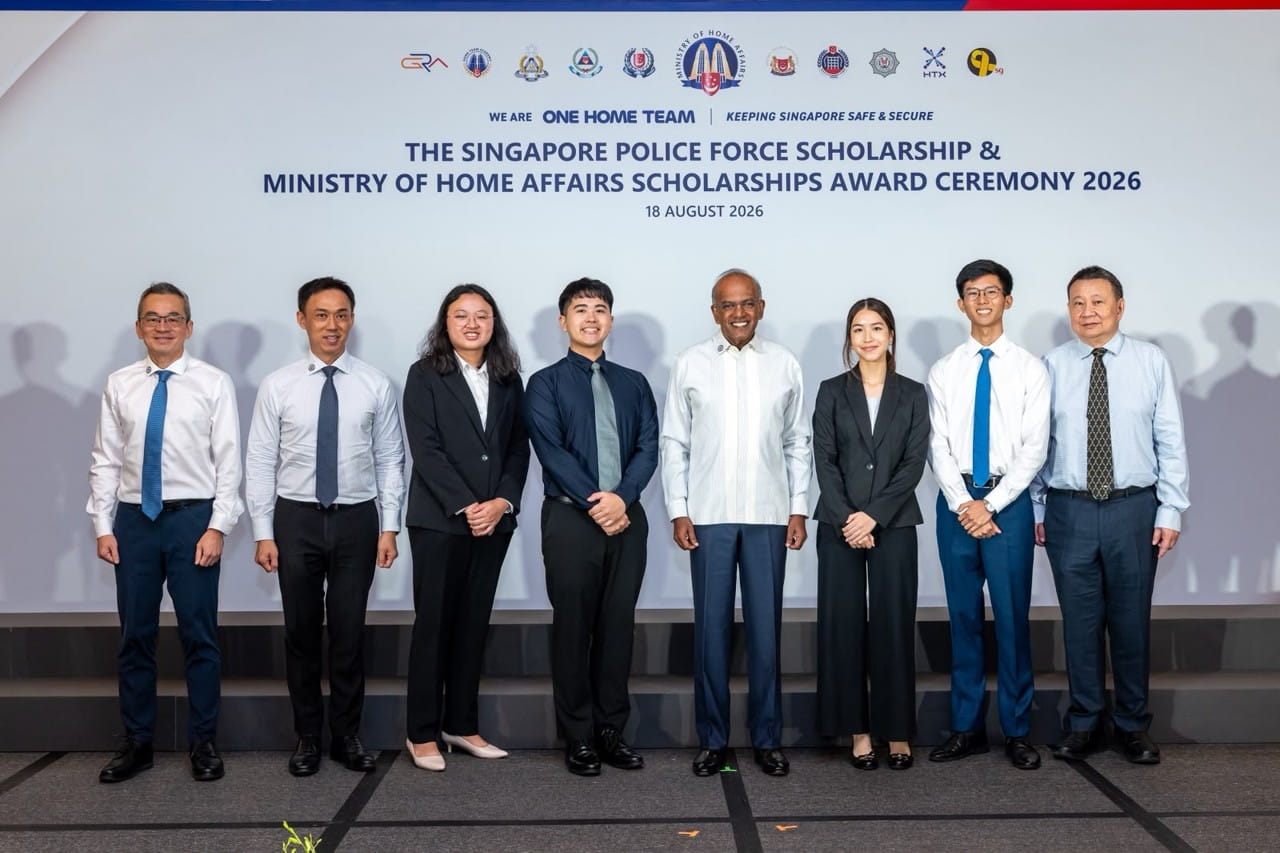 The PSC (Engineering) – Defence and Security scholars with HTX Chief Executive Chan Tsan (first from left), Mr Tan Chye Hee, Permanent Secretary for Home Affairs (second from left), Mr K Shanmugam, Senior Minister, Coordinating Minister for National Security and Minister for Home Affairs (fifth from left) and Mr Lee Tzu Yang, Chairman of the Public Service Commission (first from right). (Photo: HTX)
These recipients will pursue diverse disciplines ranging from engineering to life sciences at prestigious local and overseas institutions, before applying their expertise to strengthen Singapore’s public safety.
We caught up with three future Xponents to find out what drives their desire to help keep Singapore safe through science and technology.
Nathanael Kusuma
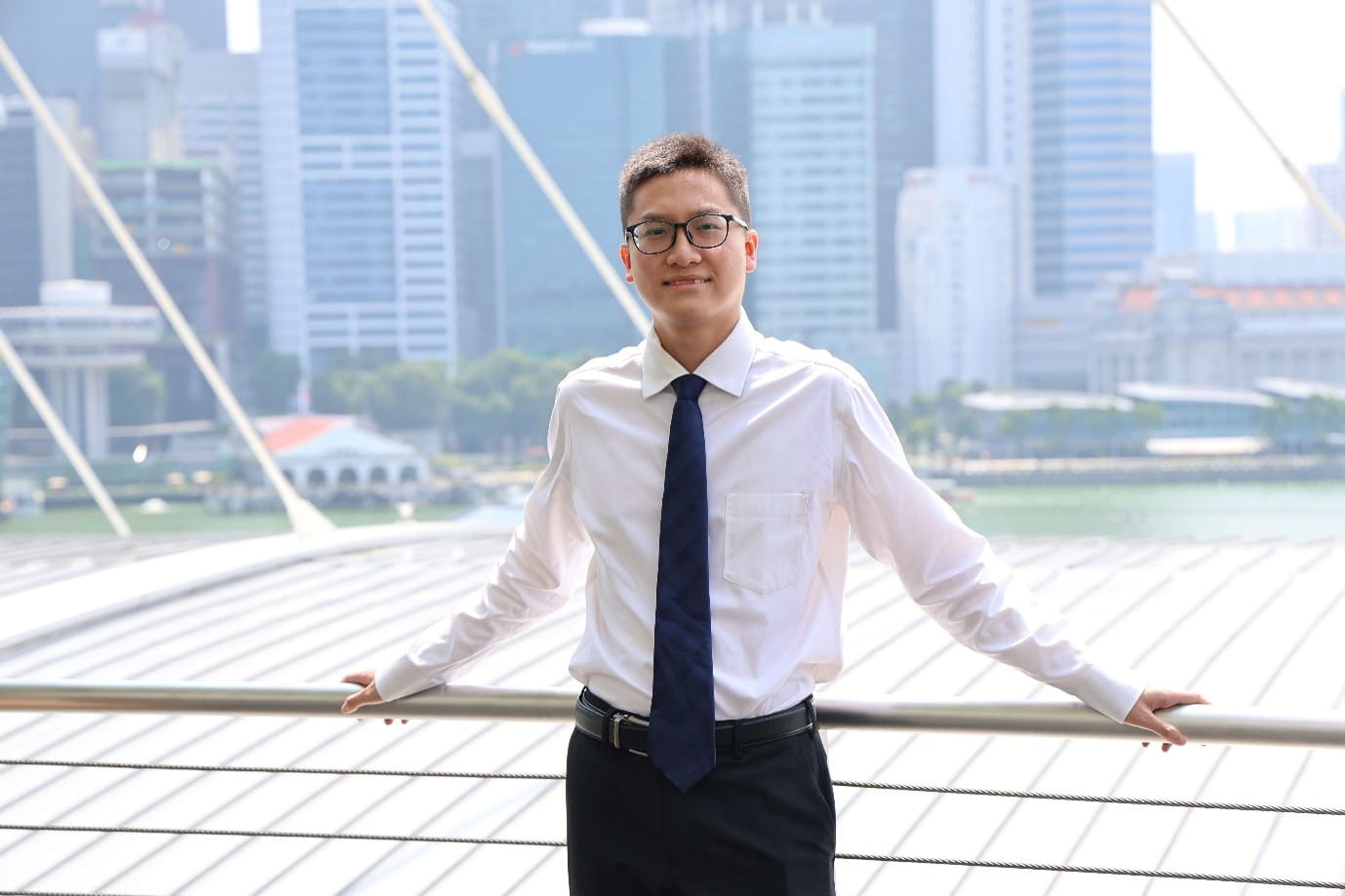 Nathanael Kusuma aspires to bolster cybersecurity in Singapore. (Photo: HTX/Cara Yap)
Falling prey to a phishing attack as a young student sparked Nathanael’s desire to safeguard individuals and organisations through robust cyber defences. This spurred him to participate in a slew of Capture the Flag (CTF) competitions and reverse engineering programmes to learn how to uncover vulnerabilities in digital systems. The 19-year-old HTX Scholarship recipient hopes to explore the intersection of cybersecurity, Artificial Intelligence (AI) and robotics to strengthen Home Team systems against evolving threats and build a safer digital future for Singapore.
How did the phishing attack shape your interest in cybersecurity and eventually lead you towards HTX?
It made me realise that anyone can be vulnerable to phishing, social engineering and other cybersecurity threats – regardless of their level of tech-savvy. Knowing that the rate at which cybercriminals’ tactics evolve might outpace the general public’s awareness of new cyber threats is what compels me to discover ways to secure Singapore’s digital infrastructure – whether through malware detection or AI-enabled detection of suspicious bank account transfers.
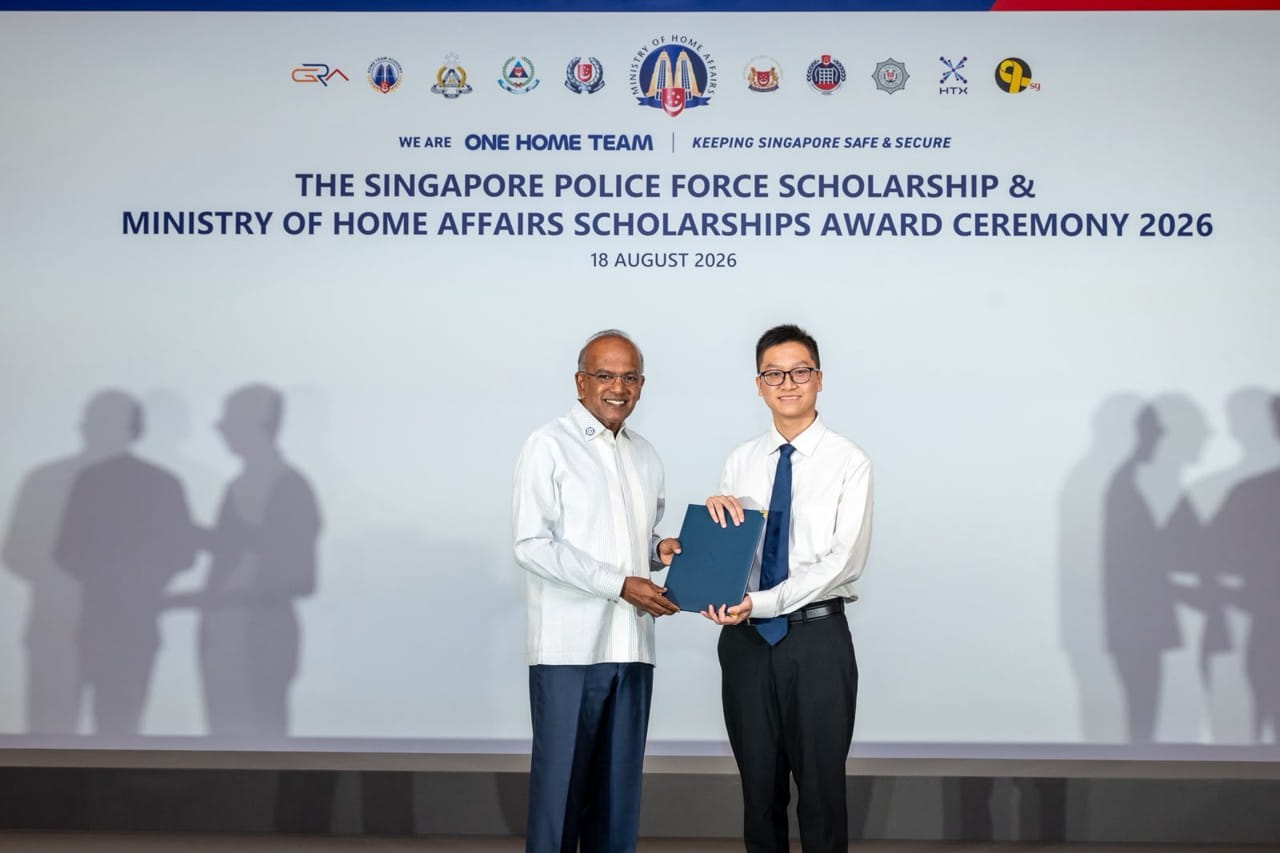 Nathanael Kusuma receiving his HTX Scholarship award from Mr K Shanmugam, Senior Minister, Coordinating Minister for National Security and Minister for Home Affairs. (Photo: HTX)
What does cyber resilience mean to you – not just in terms of stopping attacks, but staying ahead of future threats?
It means taking a holistic approach to cybersecurity to adapt to the rapidly changing digital landscape. With new threats and vulnerabilities arising, there is no single defence that can prevent all kinds of attacks. This means that we must implement different strategies to combat cyberattacks at every level of the digital landscape, from pre-testing our software systems to secure our digital infrastructure, to developing a quick response plan for cybersecurity incidents.
Why did HTX’s work in public safety appeal to you?
Working on cybersecurity in the context of our nation’s public safety feels more meaningful than securing a role at a private corporation. This is because it will allow me to translate theories into practical systems to enhance frontline operations – something I’d particularly enjoy. One of my biggest career priorities is making an impact, and I believe that channelling my passion for cybersecurity and technology into protecting Singaporeans’ personal information online will fulfil that.
Kyra Koh
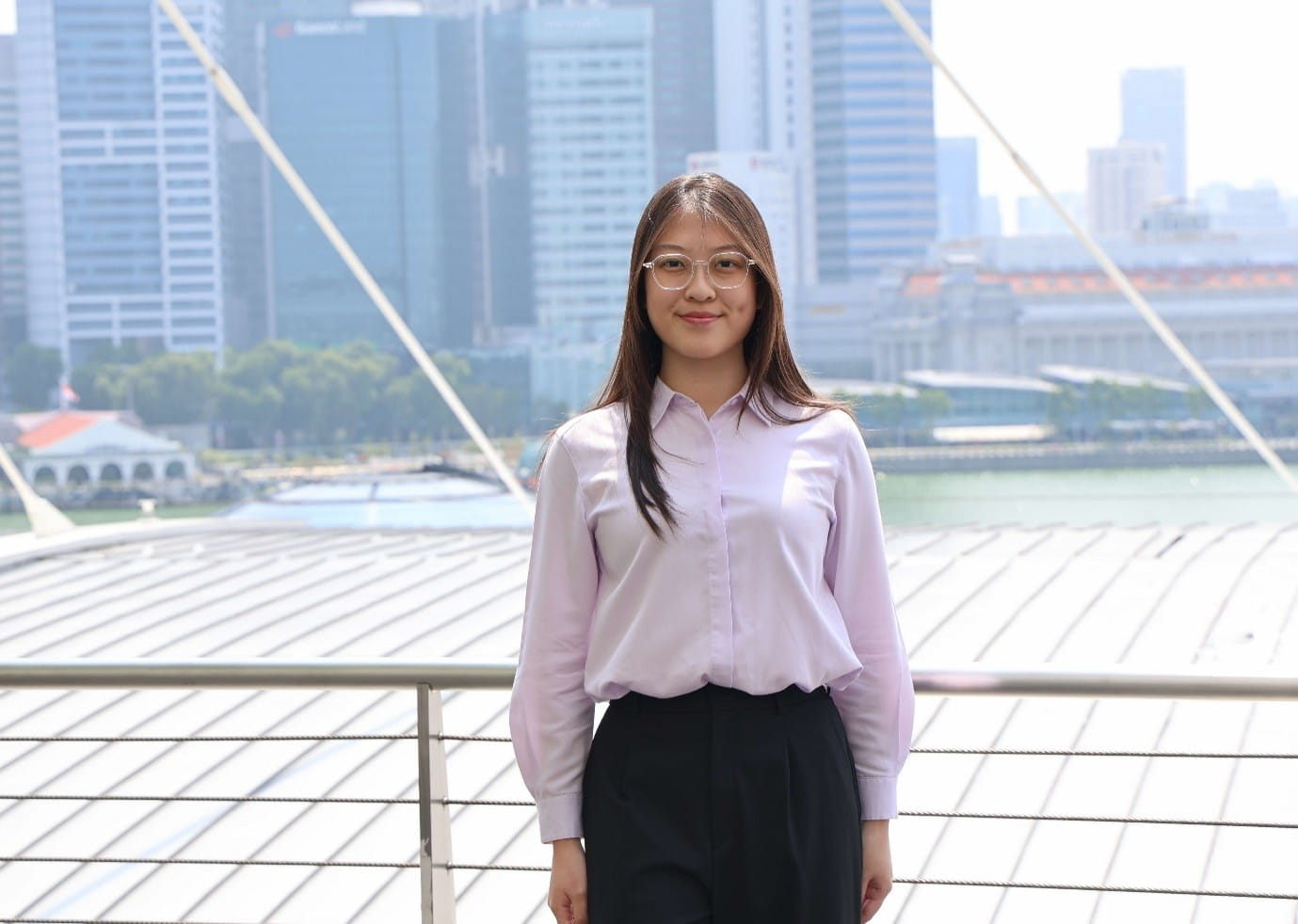 NUS life sciences undergraduate Kyra Koh has set her sights on helping the Home Team detect biological threats more swiftly. (Photo: HTX/Cara Yap)
Photographing wildlife under the tutelage of her father, a professional photographer, piqued Kyra’s curiosity in the natural world, which led her to pursue biology. A community volunteer who has worked with both children and migrant workers, she’s passionate about applying science to solve real-world problems. The 19-year-old life sciences undergraduate at the National University of Singapore (NUS) aspires to draw on her deep interest in microbiology to develop portable, real-time technologies that enable Home Team officers to detect pathogens and biological threats more quickly.
What is the difference between observing nature through the lens of a photographer and that of a scientist?
In both, there is the same impulse to reach for a bigger picture. As a photographer, I think about composition – how light, atmosphere and structure interact to capture a single moment. As a scientist, I think about how each visible element is part of a larger dynamic whole. I am reminded that everything around us is just the surface layer of an intricate, invisible ecosystem operating at the biological and systemic level. Photography reminds me to be patient and observe intentionally, while science empowers me to take those observations and apply them to solve real-world challenges.
What excites you about the idea of taking science beyond the laboratory?
I am excited by the opportunity to help force multiply our Home Team through science. During a volunteer trip in Vietnam, where we helped build capacity at a local kindergarten by donating educational resources and assisting with teaching, I saw how the right tools could instantly benefit a community. This is the kind of impact I hope to achieve at HTX, where science empowers the people on the ground to effectively address public safety.
 Kyra Koh receiving her HTX Scholarship award from Mr K Shanmugam, Senior Minister, Coordinating Minister for National Security and Minister for Home Affairs. (Photo: HTX)
What kind of future capability would you love to help build?
I hope to apply my interest in microbiology to enhance HTX’s operations, whether it is through forensic analysis, biological threat detection or building technologies that support biometrics and profiling. I’m excited about my education at NUS, where I hope to explore these areas and bridge foundational knowledge and skills with real-world applications that can support Singapore’s critical infrastructure.
Matilda Davies
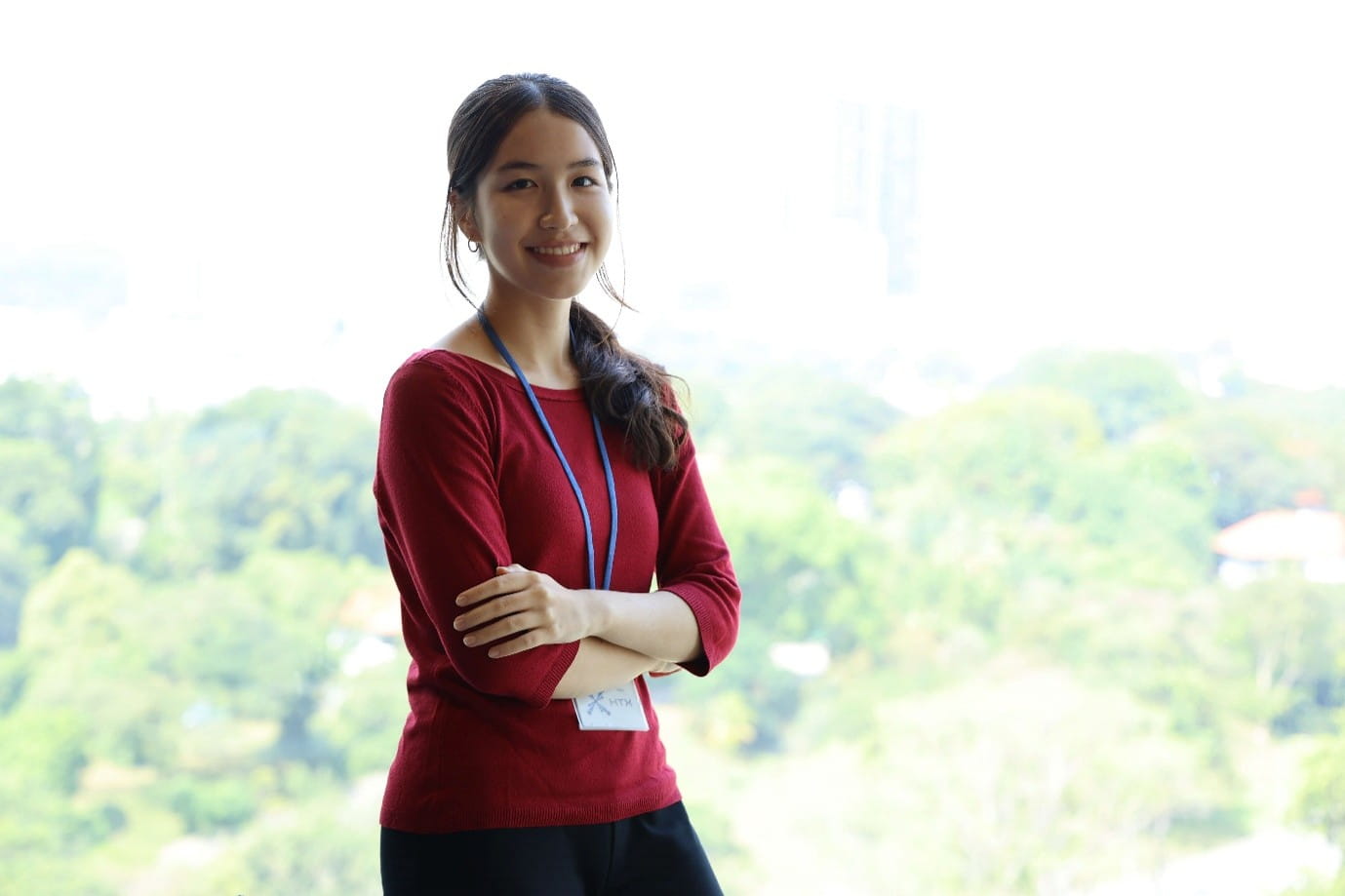 PSC Scholarship (Engineering) – Defence and Security recipient Matilda Davies hopes to harness space technology to address emerging public safety threats. (Photo: Matilda Davies)
Matilda’s journey into engineering took flight through a fascination for origami-inspired space technology. She nurtured her artistic bent through the Nanyang Academy of Fine Arts Young Artist Programme and dived into the mechanics of deployable satellite structures while playing space flight simulation video game Kerbal Space Program. The 19-year-old PSC Scholarship (Engineering) – Defence and Security recipient, who will study engineering at the University of Cambridge, hopes to harness satellites, drones, radars and AI analytics to tackle emerging public safety threats.
How would you apply creative thinking to engineer a solution to a pressing public safety issue?
I would think about public safety the way I think about composing a painting, that not every element should compete equally for attention. In a public safety system, that same principle could help people understand what needs their attention first.
How do you envision the rapidly growing field of space technology transforming the face of public safety?
Space technology will become increasingly important to public safety because it gives us a perspective of our planet that we simply cannot attain from the ground. Advances in satellite technology – particularly the development of smaller satellites – and increasingly sophisticated sensors could give us richer and more timely information about our environment. This can enable us to anticipate risks and improve disaster response strategies.
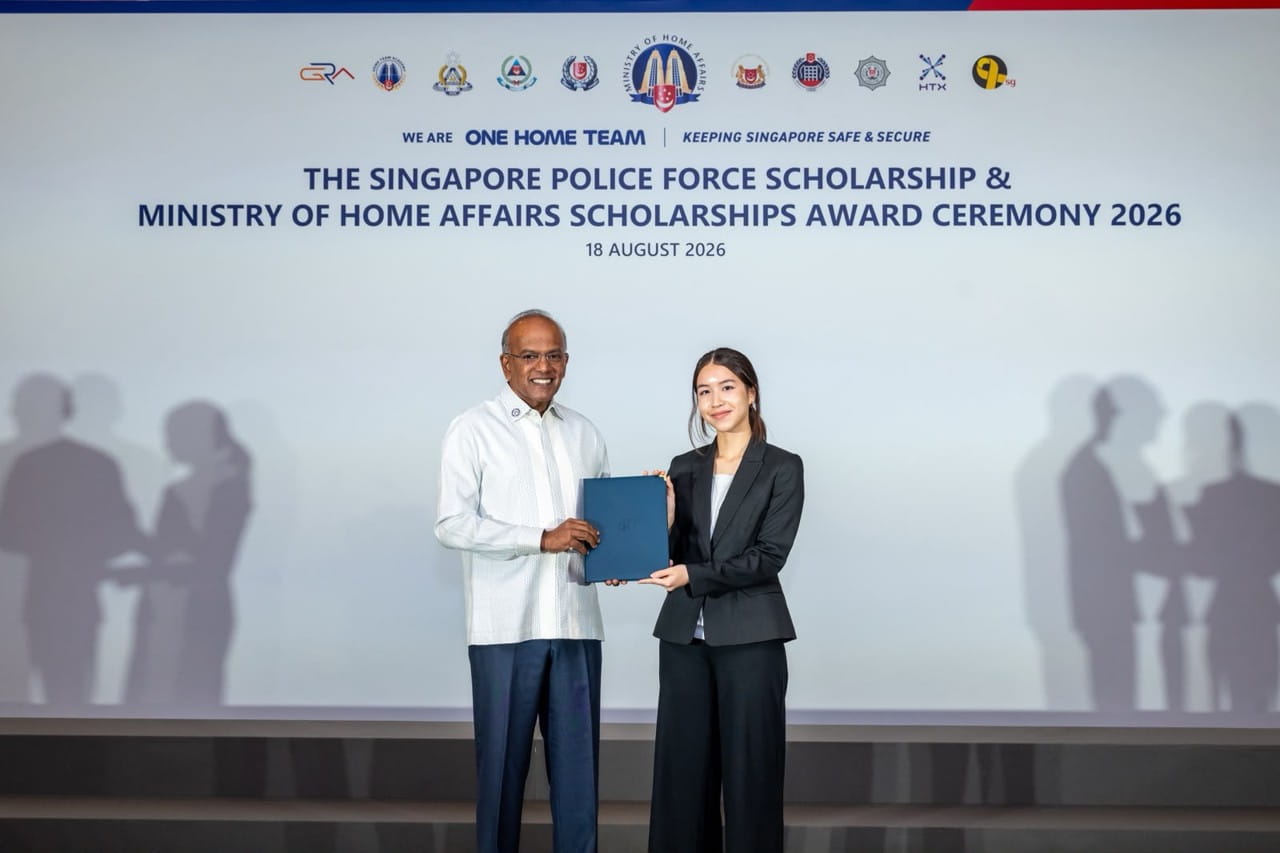 Matilda Davies receiving her HTX Scholarship award from Mr K Shanmugam, Senior Minister, Coordinating Minister for National Security and Minister for Home Affairs. (Photo: HTX)
How does HTX’s organisational culture resonate with you?
I first got a sense of HTX’s innovative culture when I attended sharing sessions by the Vehicle & Weapon Systems (VWS) Centre of Expertise (CoE) and Disruptive Technologies Office (DTO) at the agency’s HQ. Here, I learnt that Xponents are tasked to look beyond existing capabilities and explore emerging technologies that may not fit neatly within the work of respective departments – making the scope of innovation incredibly expansive. What resonated with me was the idea that curiosity can have a very practical purpose, whereby innovation is about asking what could be possible and exploring how it might eventually solve problems that matter.