
 (Photo: HTX)
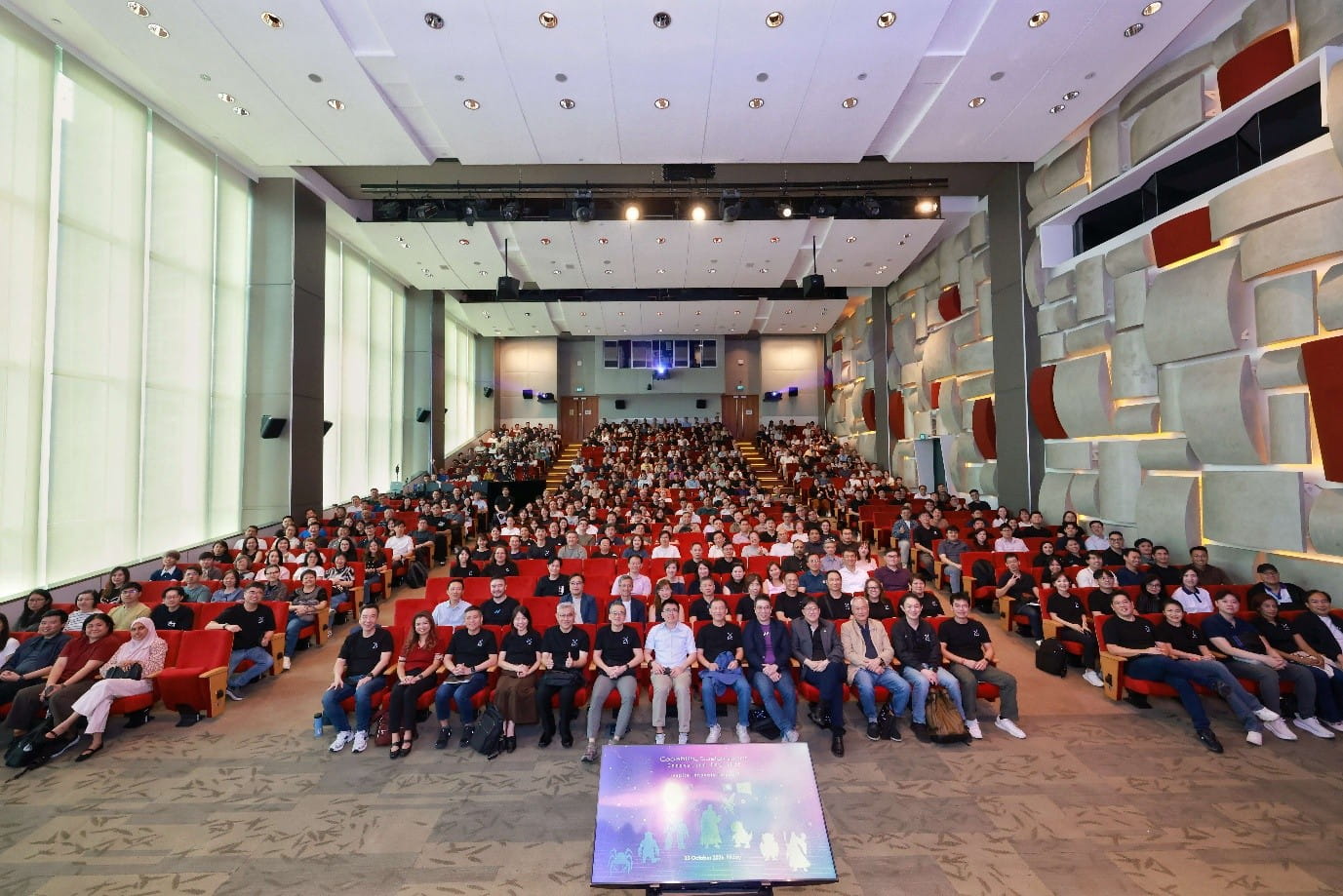
Capability Sustainment Innovation Day (CSID) 2026 proved to be a resounding demonstration that the HTxAI Movement isn’t limited to divisions that specialise in artificial intelligence. Xponents who work behind the scenes to sustain Home Team assets are embracing the technology to boost productivity.
Held at NTUC Centre on 23 October, CSID 2026 was themed “Inspire, Innovate & Impact to the power of X!”. HTX Chairman, Second Permanent Secretary (Home Affairs) Mr Wong Kang Jet was the guest of honour at the event.
One of the highlights of CSID 2026 was the finals of the CS Inno Challenge, which gave teams only about five months starting from 6 May to conceptualise and design AI-powered solutions that address pain points faced by the Capability Sustainment pillar.
The reception was emphatic – 54 projects were submitted by the 31 August deadline, out of which eight were selected for the finals. These eight projects spanned Capability Sustainment work areas including Sustainability Management, Incident Management, Vendor Management, Resource Management, Contract Management, Operations Management, System Management, Productivity and Others.
Several of the finalist projects were created by engineers across the pillar’s various functions. For instance, the application VendorPulse was the brainchild of Xponents from ICT Infra, Ops Systems, Platform Systems, Building & Infrastructure, and the Enterprise AI Product (xAIP).
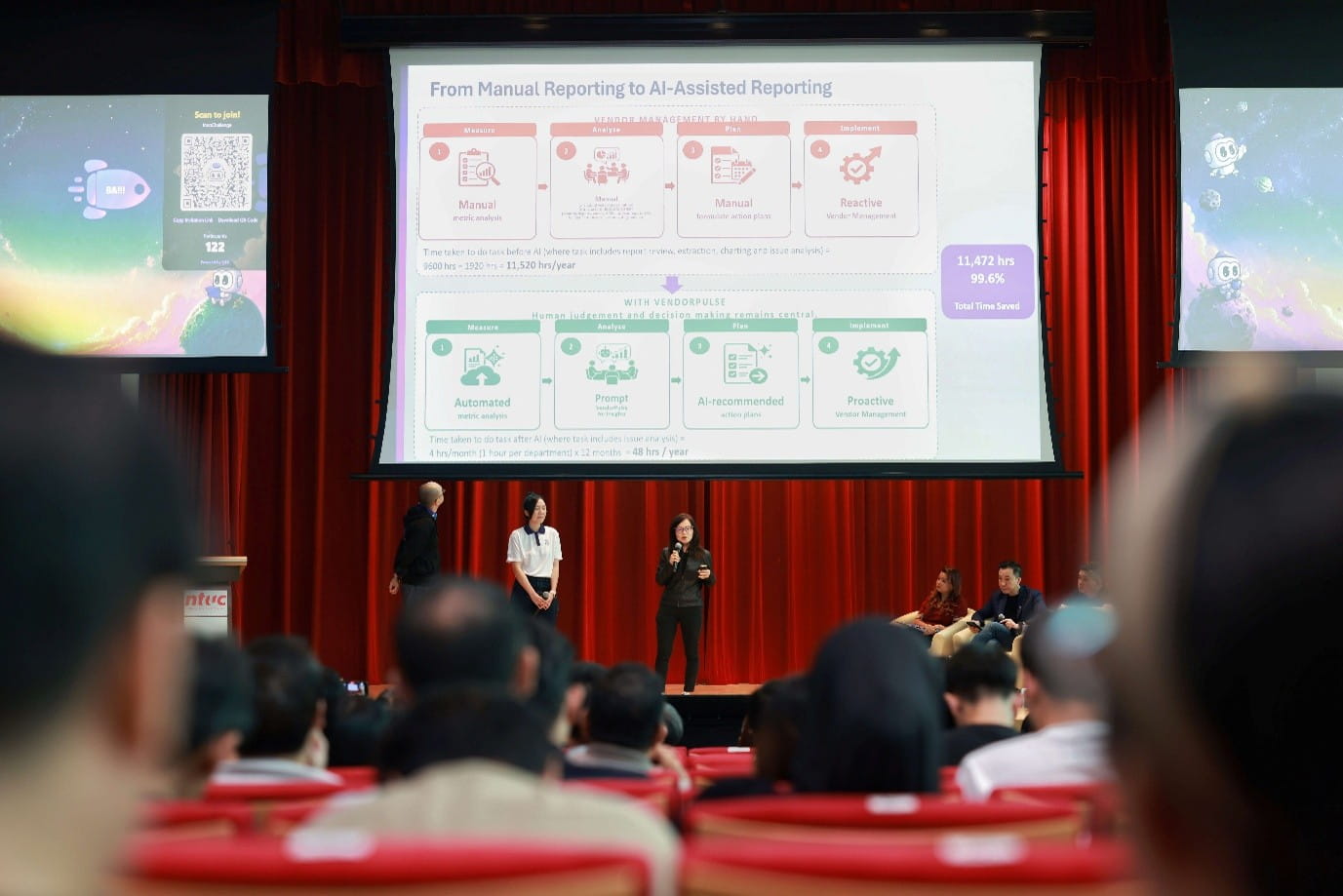 The VendorPulse team giving their presentation at CSID 2026. (Photo: HTX)
VendorPulse addresses the pain point of Capability Sustainment teams having to manually review monthly vendor reports, consolidate data and generate performance charts. It does this by leveraging AI to read charts, tables and text, extract relevant metrics, and compare reporting periods before publishing insights and trends to a dashboard.
The software can even recommend action plans and surface emerging risk patterns to support timely intervention.
The expected benefits of this application? A whopping 99.6% manhour avoidance compared to manual analysis.
Currently in the Proof of Concept (POC) stage, VendorPulse is expected to achieve full operating capability for ICT Infra and Ops Systems by Q4 2027. Development of the app for B&I and Platform Systems is expected to commence in Q1 2027.
“Taking part in the CS Innovation Challenge was an eye-opening experience. It was inspiring to see the spirit of innovation and the can-do attitude within Capability Sustainment, as teams reimagined their work and experimented with ways to do it better. The challenge reminded me that sustainment is not just about keeping systems running, but about powering operational outcomes,” said Esther Xie, Head, Product Management at xAIP.
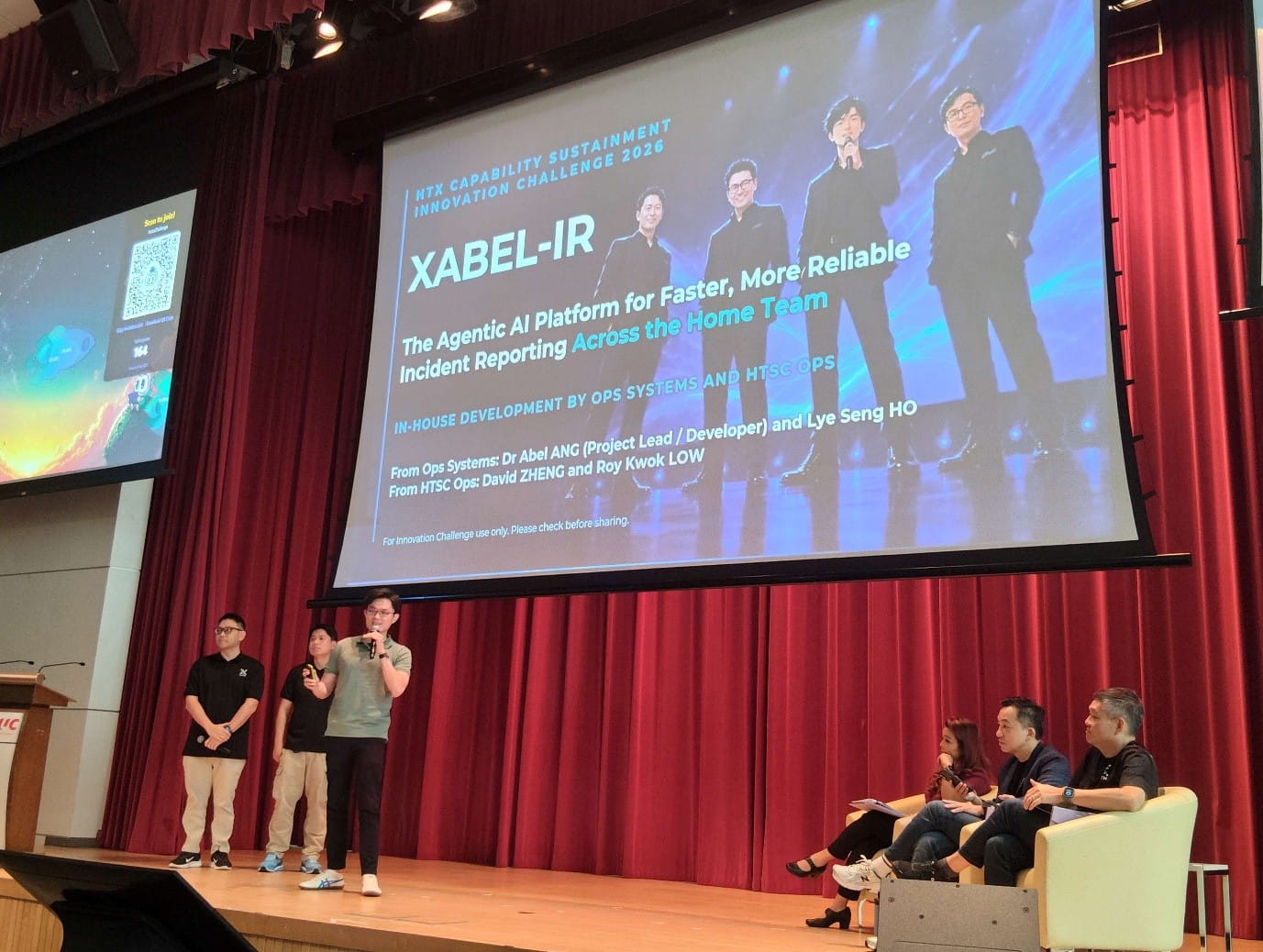 The XABEL-IR team making their pitch to the judging panel comprising Denise Ang, Ng Pan Yong and Cheng Wee Kiang who are judging the finalist teams for the Most Inspiring, Most Innovative and Most Impactful prizes. (Photo: HTX)
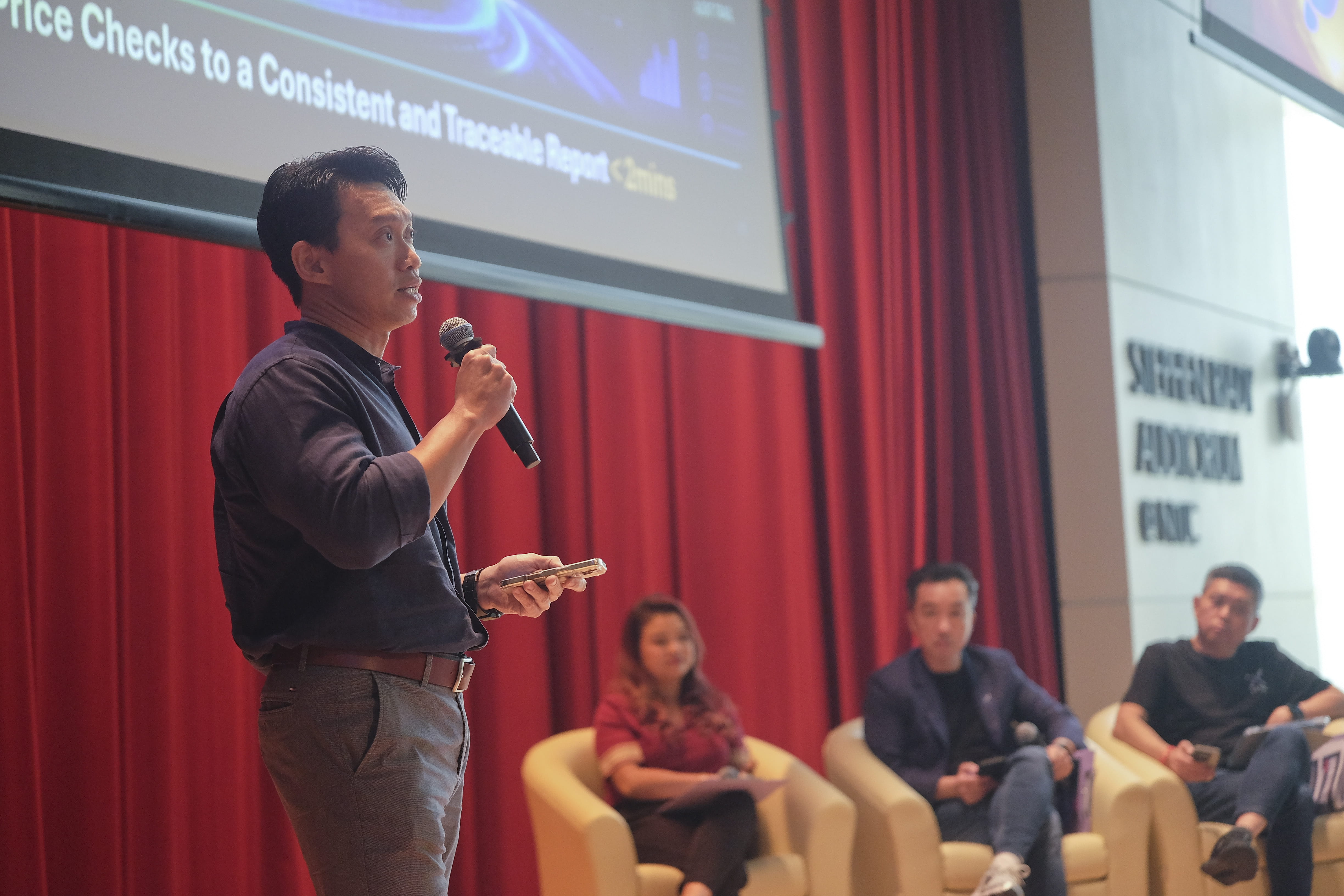
Another project that featured cross-centre collaboration was XABEL-IR, which addresses the issue of incomplete incident reports. The team noted during their presentation that incomplete reports often lead to many time-consuming exchanges with submitters.
Featuring an agentic AI pipeline that can determine what facts an incident report needs before requesting further details from the submitter, XABEL-IR was developed by Xponents from Ops Systems and HTSC Ops and is expected to shorten analyst handling time by 80%, thus allowing officers to focus their efforts on more critical tasks.
According to team member Ho Lye Seng, Deputy Director, Ops Systems Engineering, XABEL-IR will next undergo security assessment and is on track to go live in the NGINE production environment in the first quarter of 2027.
“The Cap Sus Innovation Day Challenge reinforced a key lesson: innovation starts with users' pain points, not the technology,” he said.
“Building XABEL-IR in-house with our users gave us a tight feedback loop that sped up development and kept the tool focused on their needs. With careful data preparation and user-centred design, the AI agents take on the heavy lifting so analysts can focus on higher-value work.”
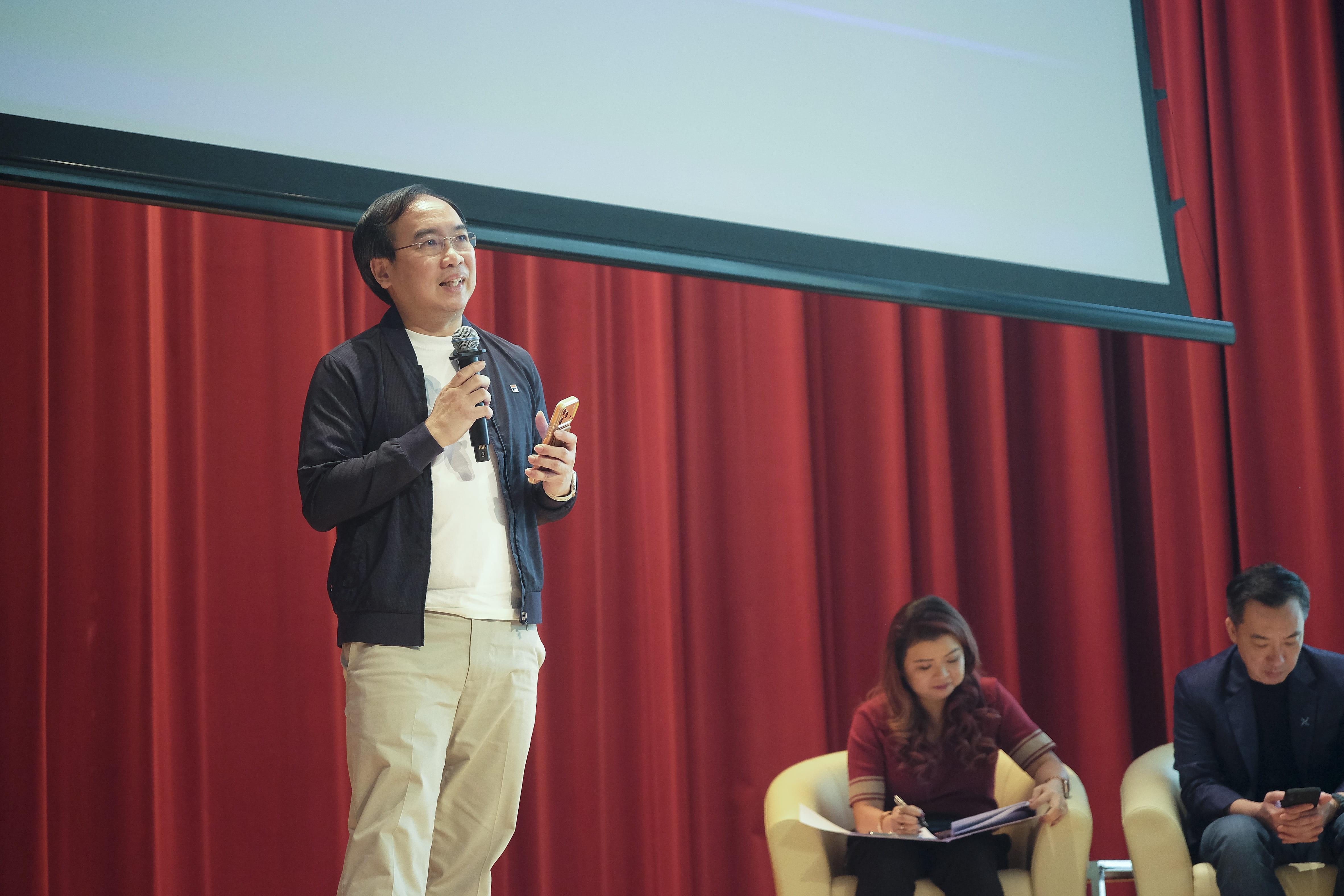
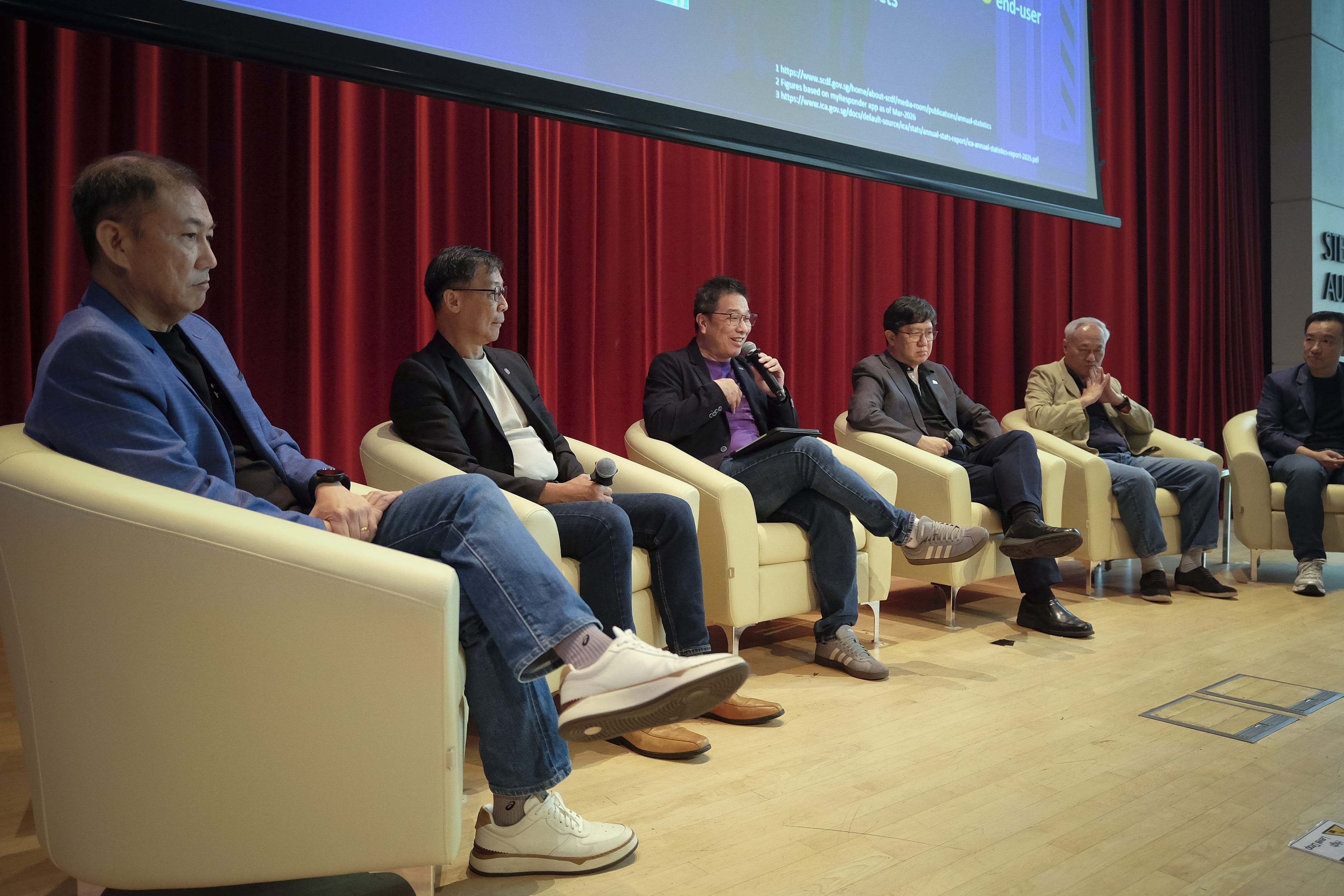
Another highlight of CSID 2026 was a roundtable discussion featuring the leaders of some of HTX’s long-time industry partners, including NCS Singapore, ST Engineering, DXC Singapore, and CPG Corporation. Moderated by HTX’s Chief Innovation Officer Ng Pan Yong, the lively discussion explored how HTX and industry partners can leverage Agentic AI and ecosystem partnerships to co-create future solutions together.
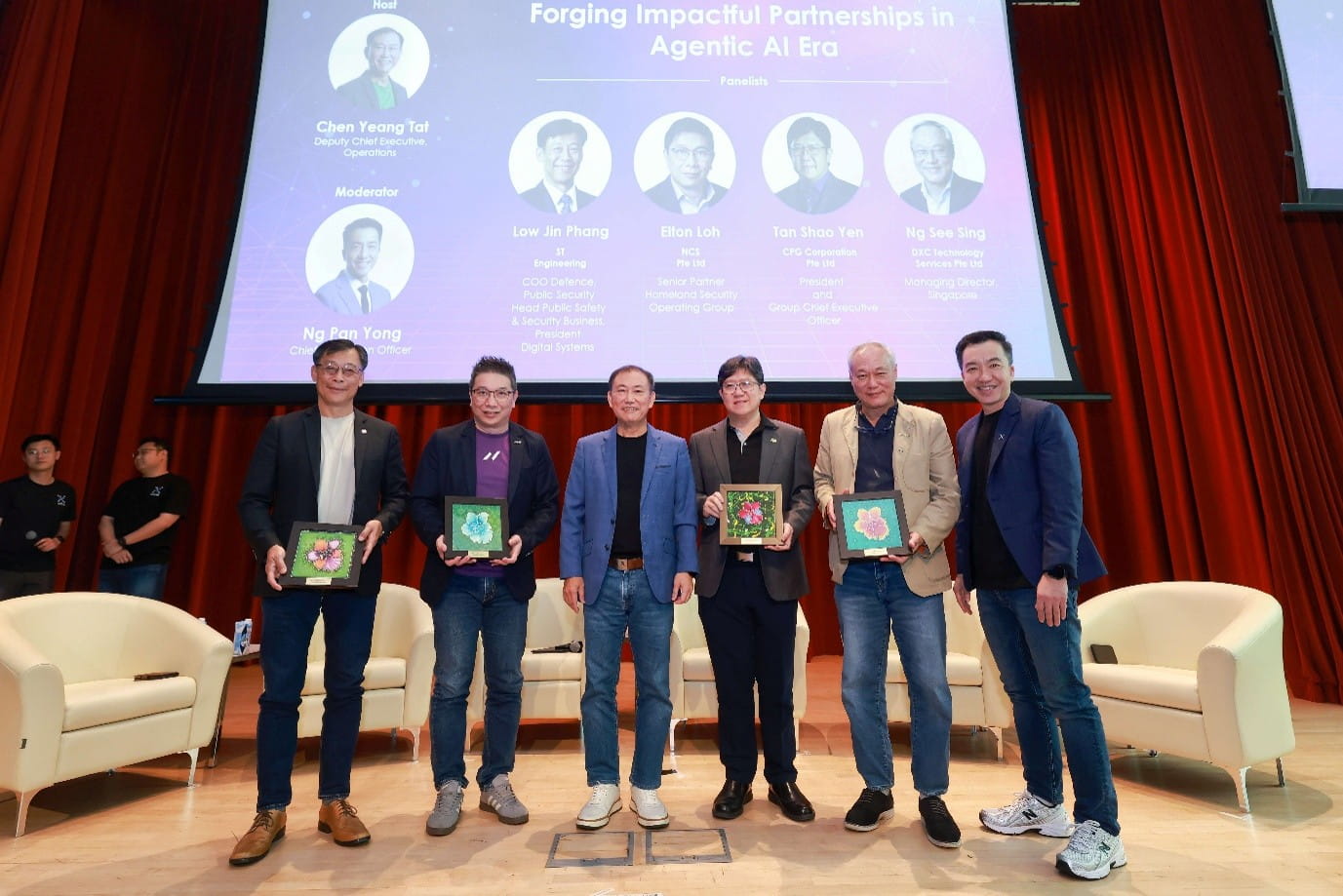 HTX Deputy Chief Executive (Operations) Chen Yeang Tat (3rd from left) and HTX Chief Innovation Officer Ng Pan Yong (right) alongside participants of the panel discussion (left to right): ST Engineering Chief Operating Officer for Defence & Public Security Low Jin Phang, NCS Singapore Senior Partner, Homeland Security Elton Loh, CPG Corporation President and Group Chief Executive Officer Tan Shao Yen and DXC Technology Managing Director Ng See 0Sing. (Photo: HTX)
In the AI-generated Capability Sustainment Journey video, the directors of the six functions under the pillar then shared how Capability Sustainment has evolved since HTX’s founding in 2019 to its current growth phase dubbed HTX 3.0, which is about scaling impact for the Home Team. They also shared how their teams are harnessing AI to enhance their work.
Ops Systems, for example, has been leveraging AI to spot problems before they happen, and forecasting downstream impact. Over at the Home Team Sustainment Centre, agentic AI agents play a key role in consolidating and summarising incident alerts.
Innovation requires a shift in mindset and organisational culture. We need the confidence to question established practices and propose better ways of working. Leaders can encourage this by supporting responsible experimentation and creating an environment where teams can discuss setbacks openly and learn from them.
At B&I, AI agents are helping the centre become more predictive than reactive, taking on tasks like monitoring utilises and checking costs.
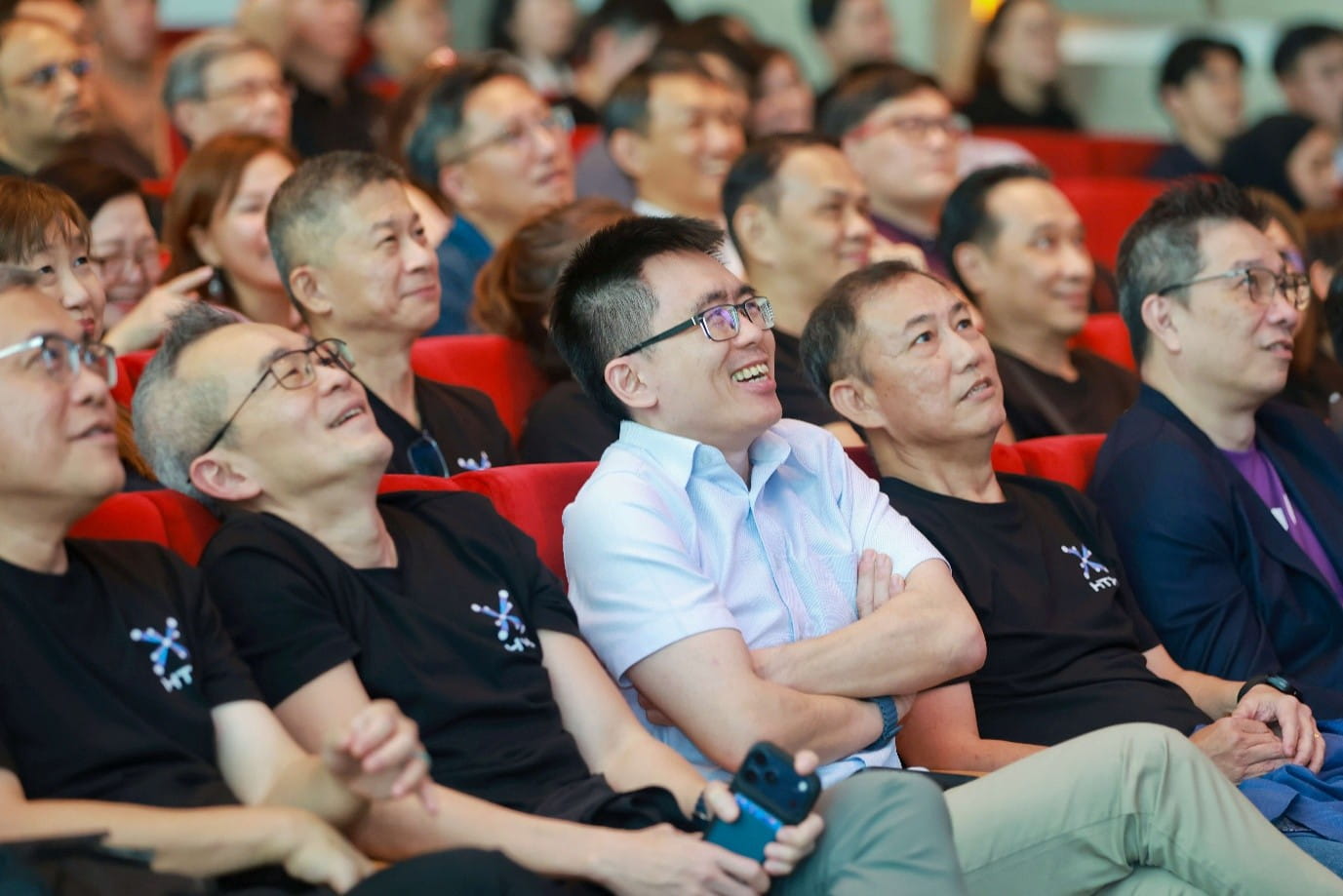 HTX Chairman, Second Permanent Secretary (Home Affairs) Mr Wong Kang Jet graced CSID 2026 and took to the stage to share his thoughts on the pillar’s innovation efforts. (Photo: HTX)
Aware that AI usage does not come without risk, HTX Assistant Chief Executive (ICT Infra) Dr Lim Kia Yong reiterated that agents cannot be deployed carelessly. To this end, he explained that the Sustainment Transformation and Risk Management Office (STRMO) plays a critical role to ensure that the agency’s AI efforts move forward with “the right controls and human oversight”.
During the event, HTX Chief Executive Chan Tsan praised the pillar for being proactive in their innovation endeavours and pushing new boundaries as to how capability sustainment work – also known as Day 2 operations – is done.
“Traditionally, Day-2 is all about sustainment and Business as Usual (BAU) kind of work,” he said. “Innovation usually only takes place at Day-0 before they are executed and deployed on Day-1.”
“But you, with your spirit of innovation, are reimagining capability sustainment.”
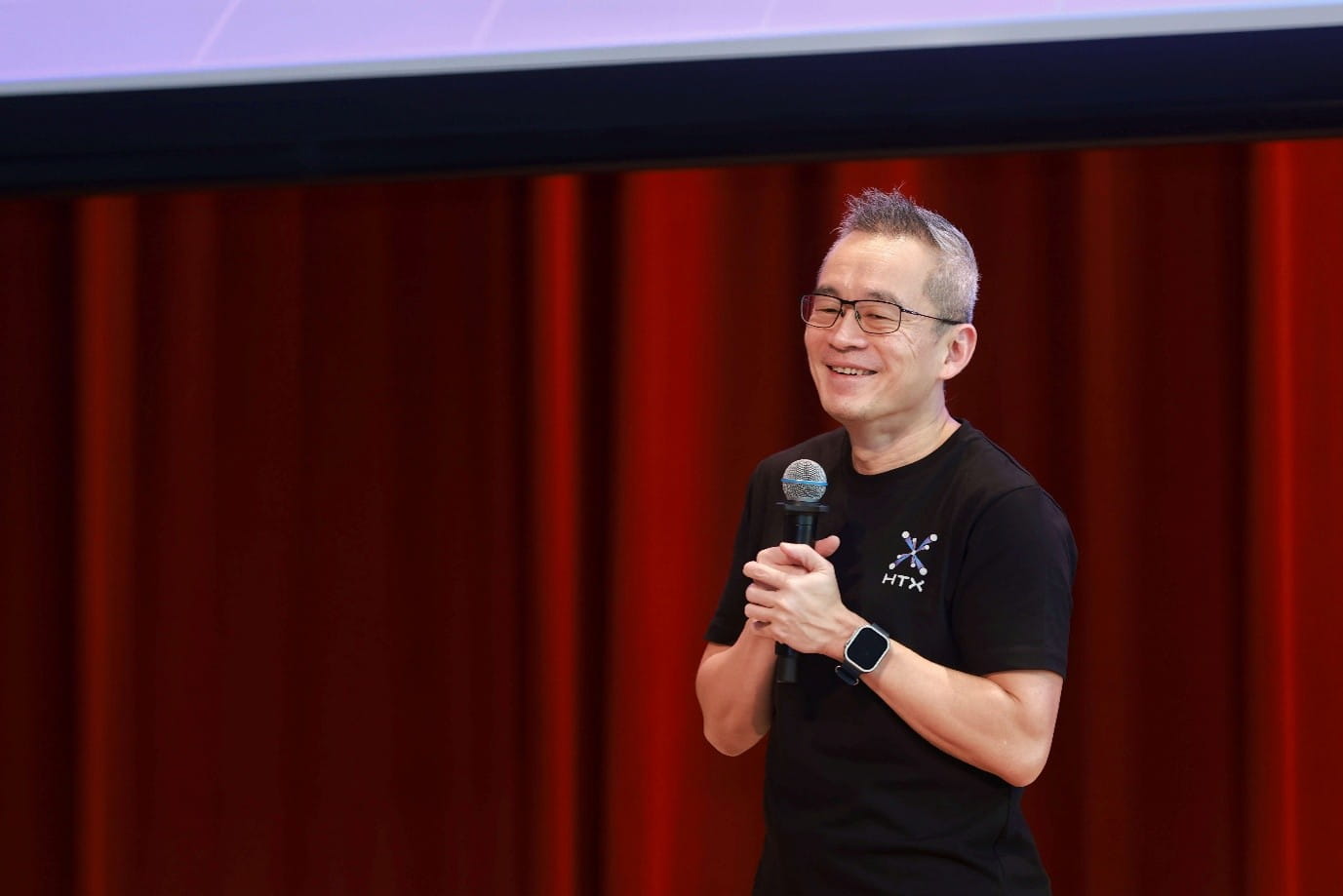 HTX CE Chan Tsan addressing the audience during CSID 2026. (Photo: HTX)
He also lauded the pillar’s striking transformation over the years, noting that when HTX was first formed in 2019, some Xponents from Capability Sustainment had expressed concerns that they would not be able to live up to the agency’s mission of force multiplying the Home Team, seeing how their work was just about sustaining systems.
“Just seven years on, look at what you are doing now,” he said.
“Look at how you are reimagining the work that you do. You have certainly inspired me with your spirit of innovation, foresight, and exuberance.”
Photo Gallery
 (Photo: HTX)
 (Photo: HTX)
 (Photo: HTX)
 (Photo: HTX)
 (Photo: HTX)
 (Photo: HTX)
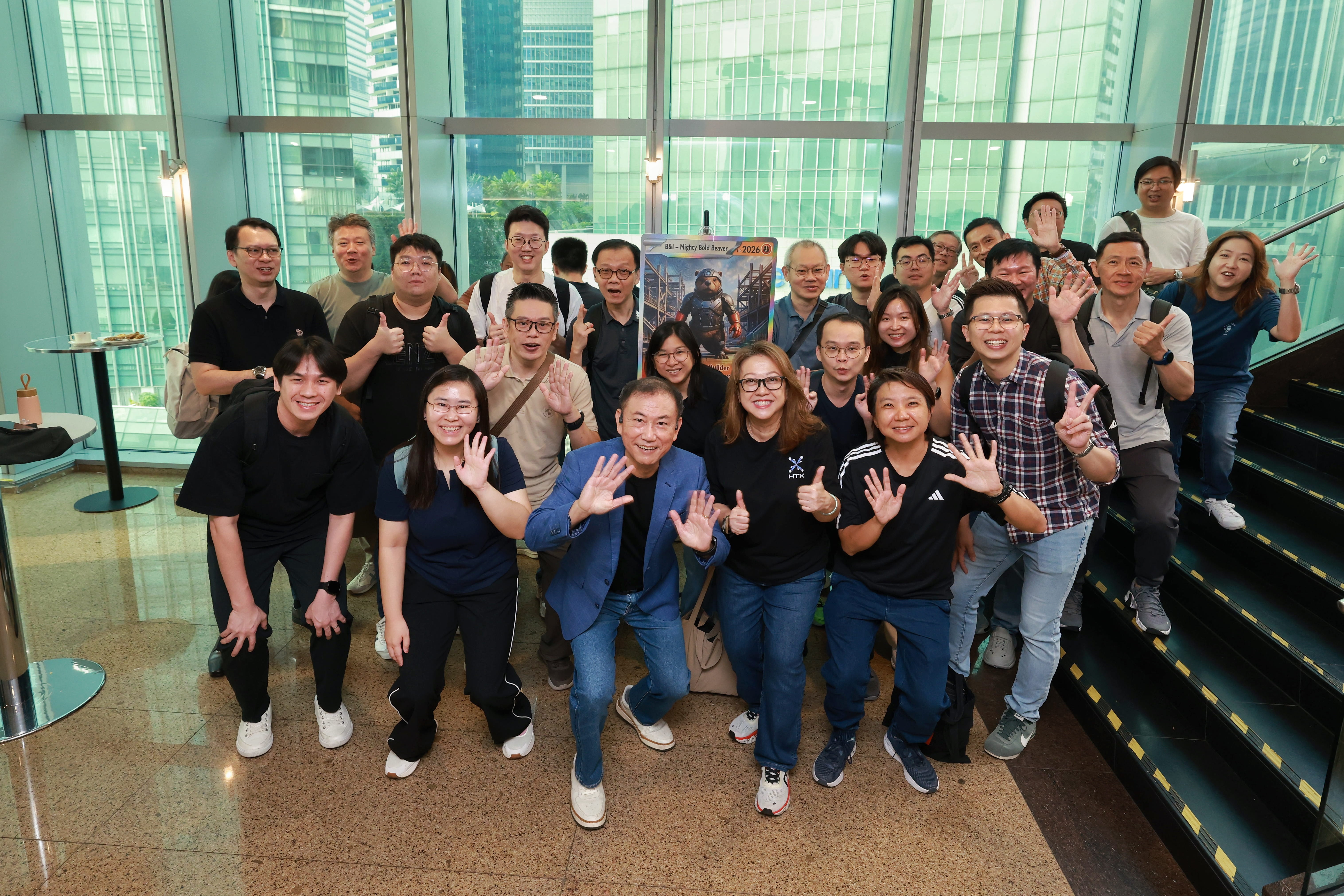 (Photo: HTX)
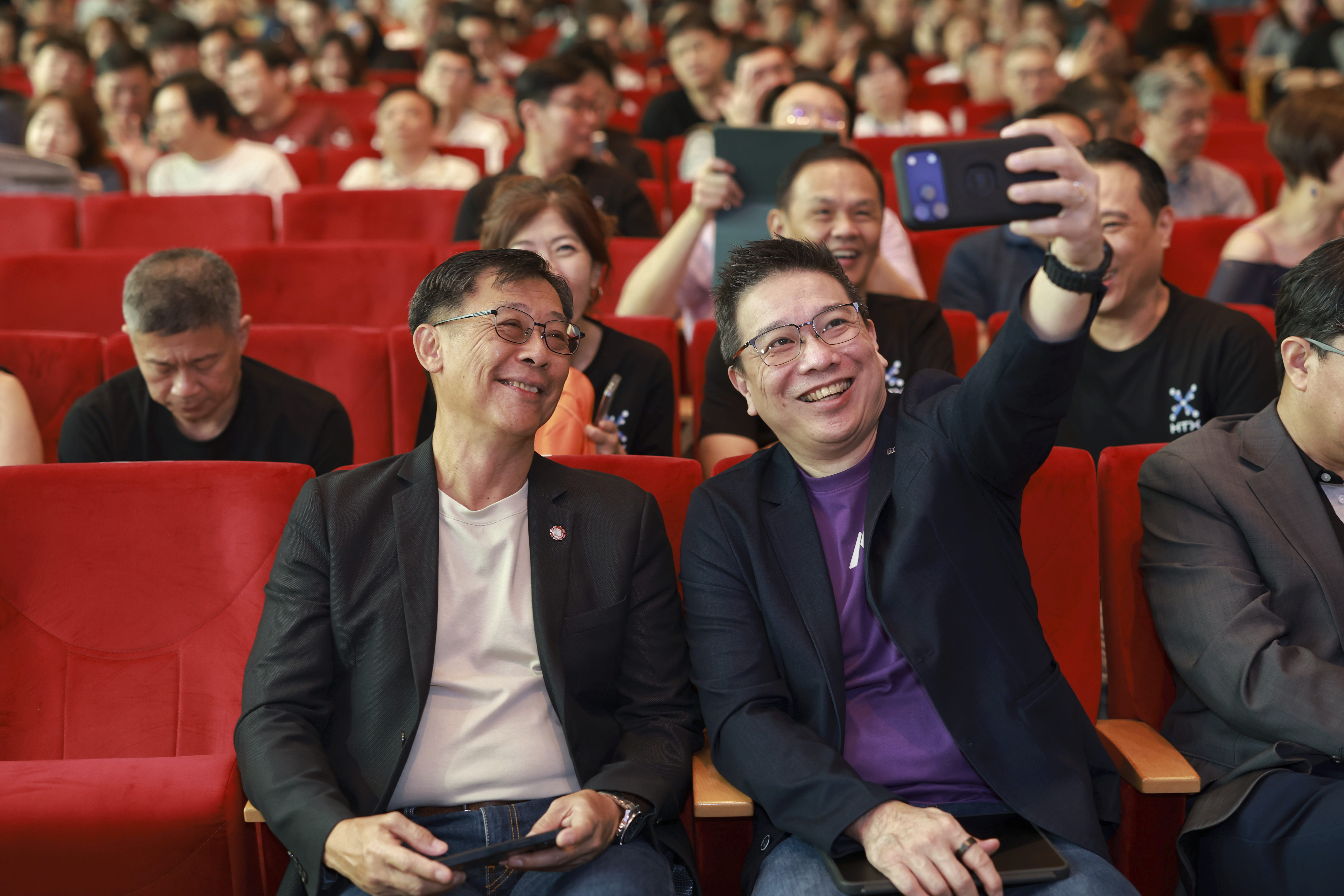 (Photo: HTX)
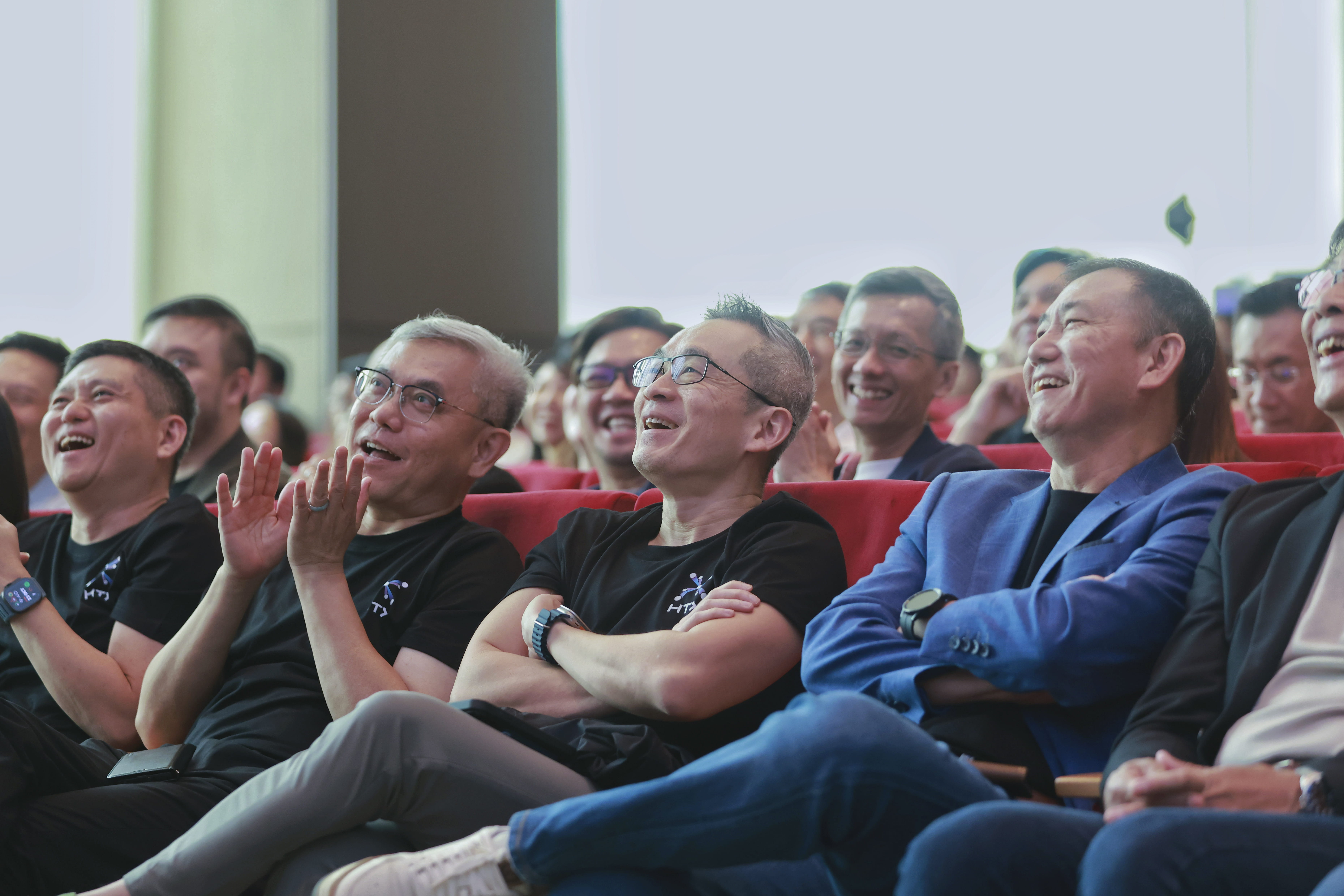 (Photo: HTX)
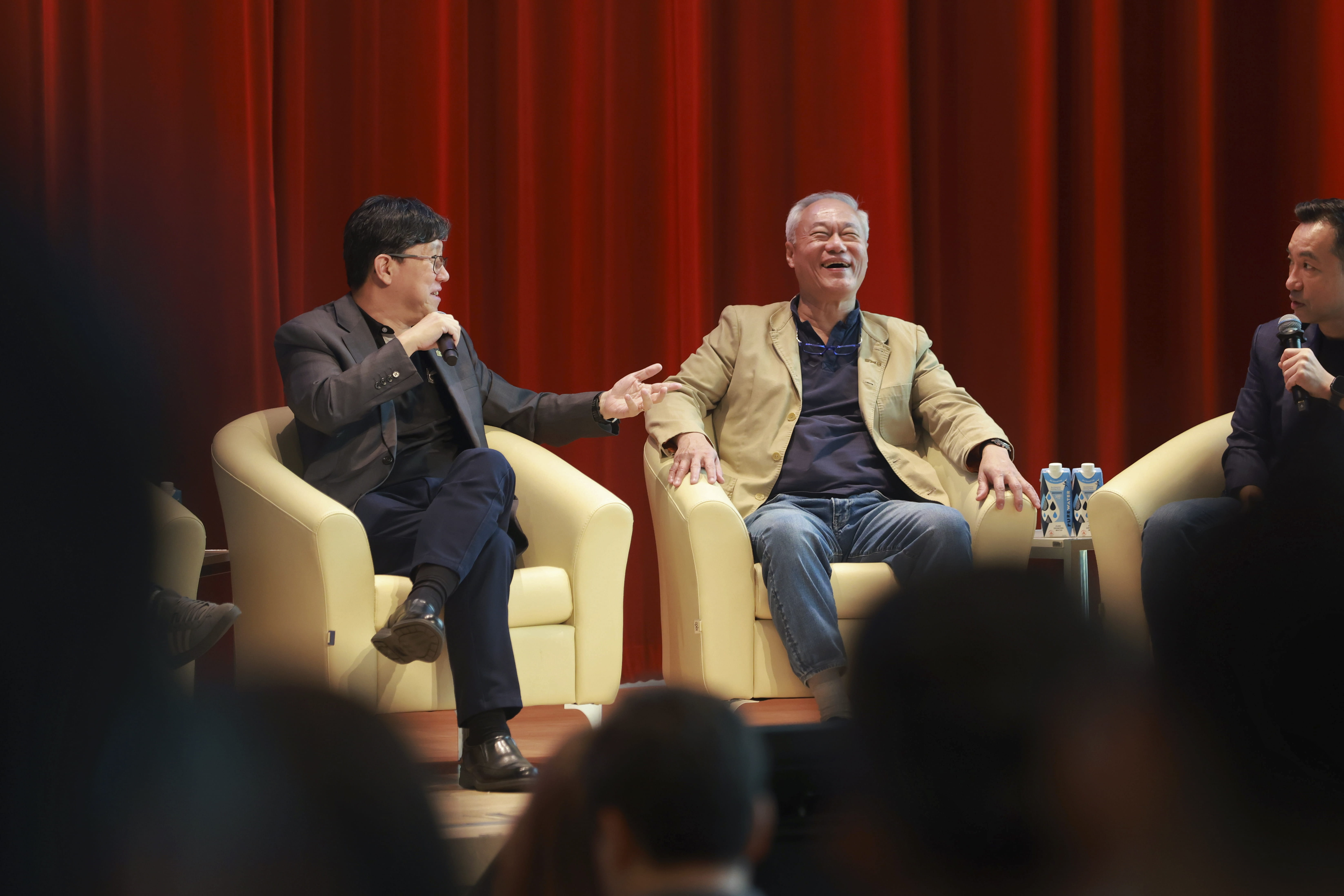 (Photo: HTX)
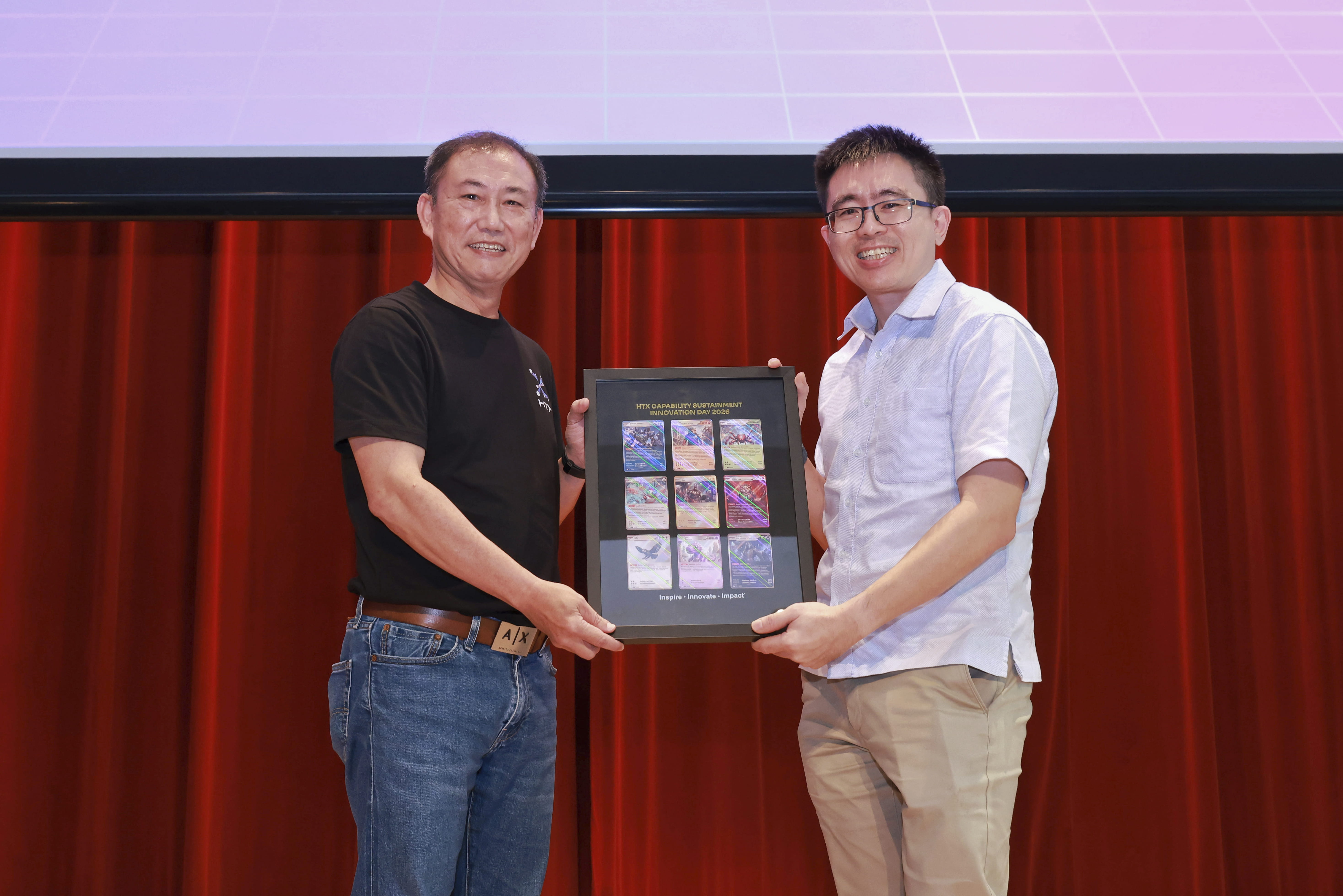 (Photo: HTX)
 (Photo: HTX)
 (Photo: HTX)
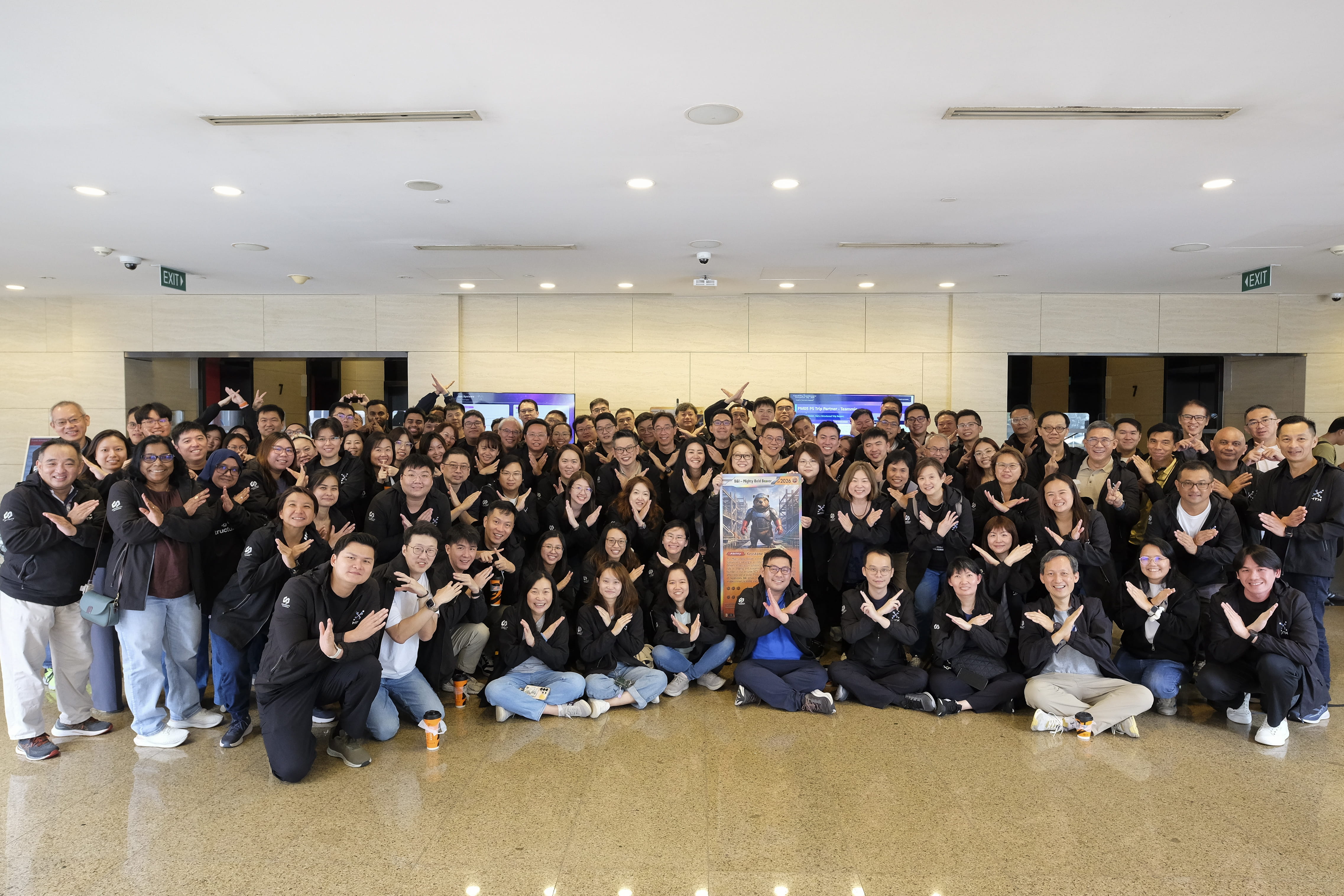 (Photo: HTX)
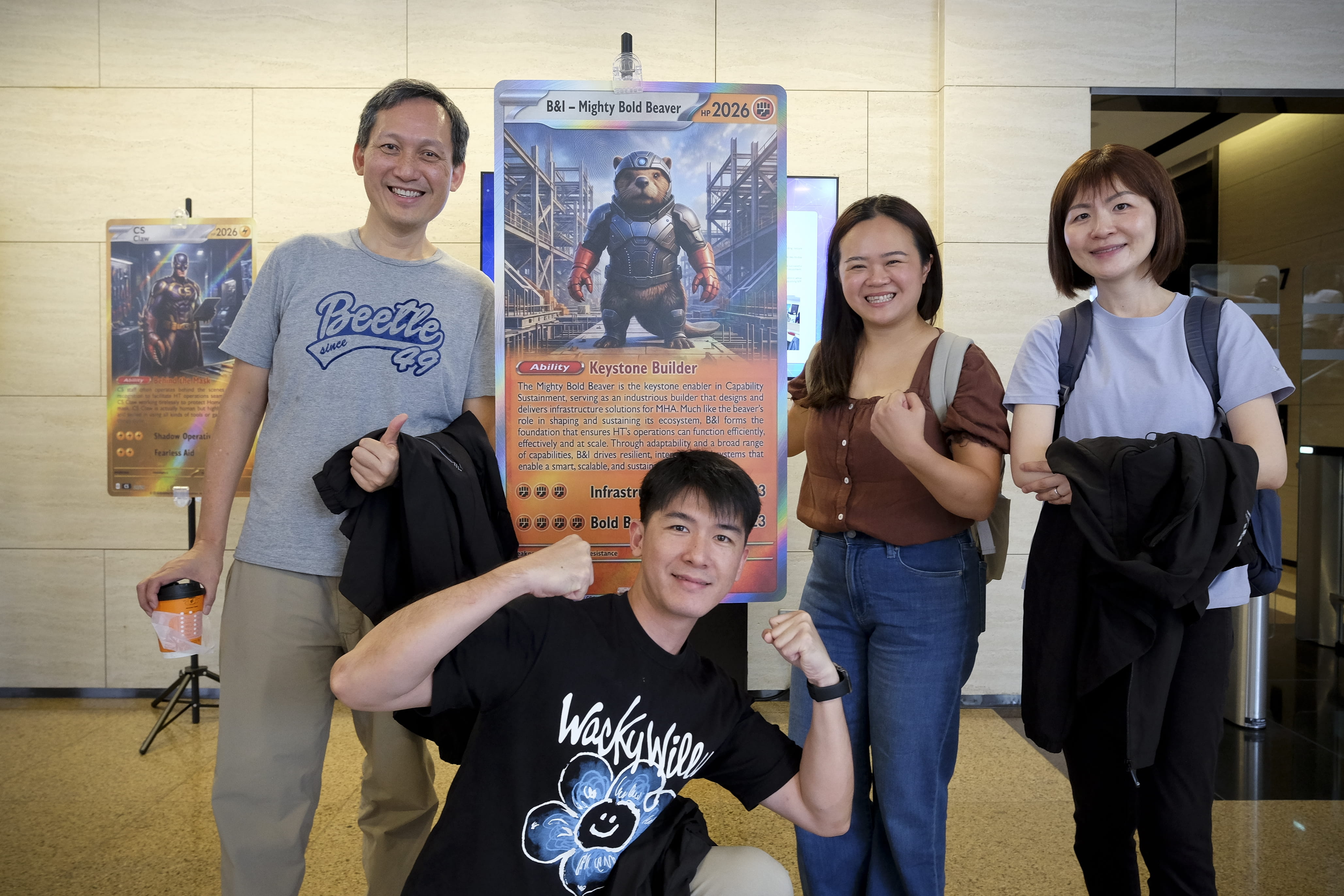 (Photo: HTX)
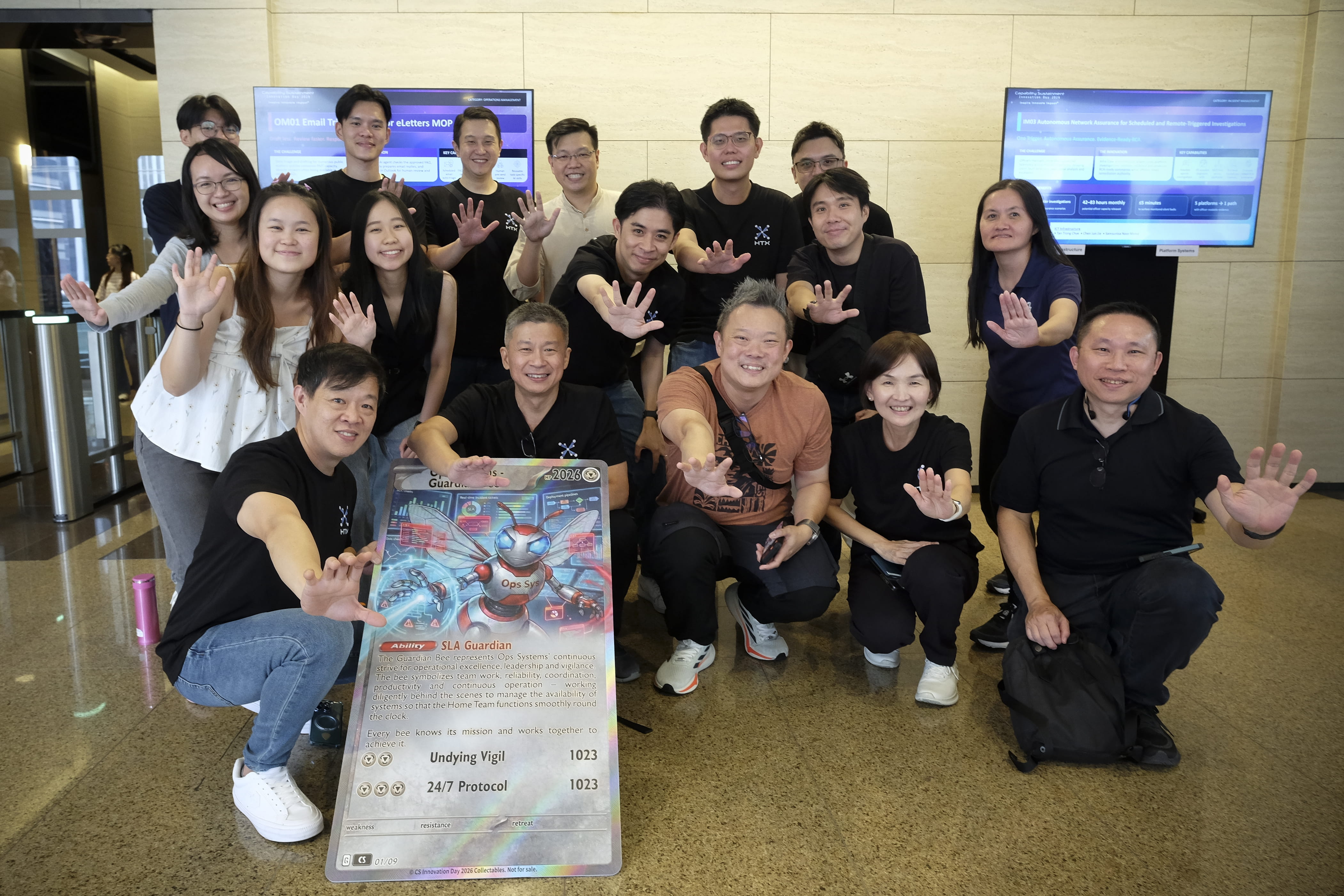 (Photo: HTX)
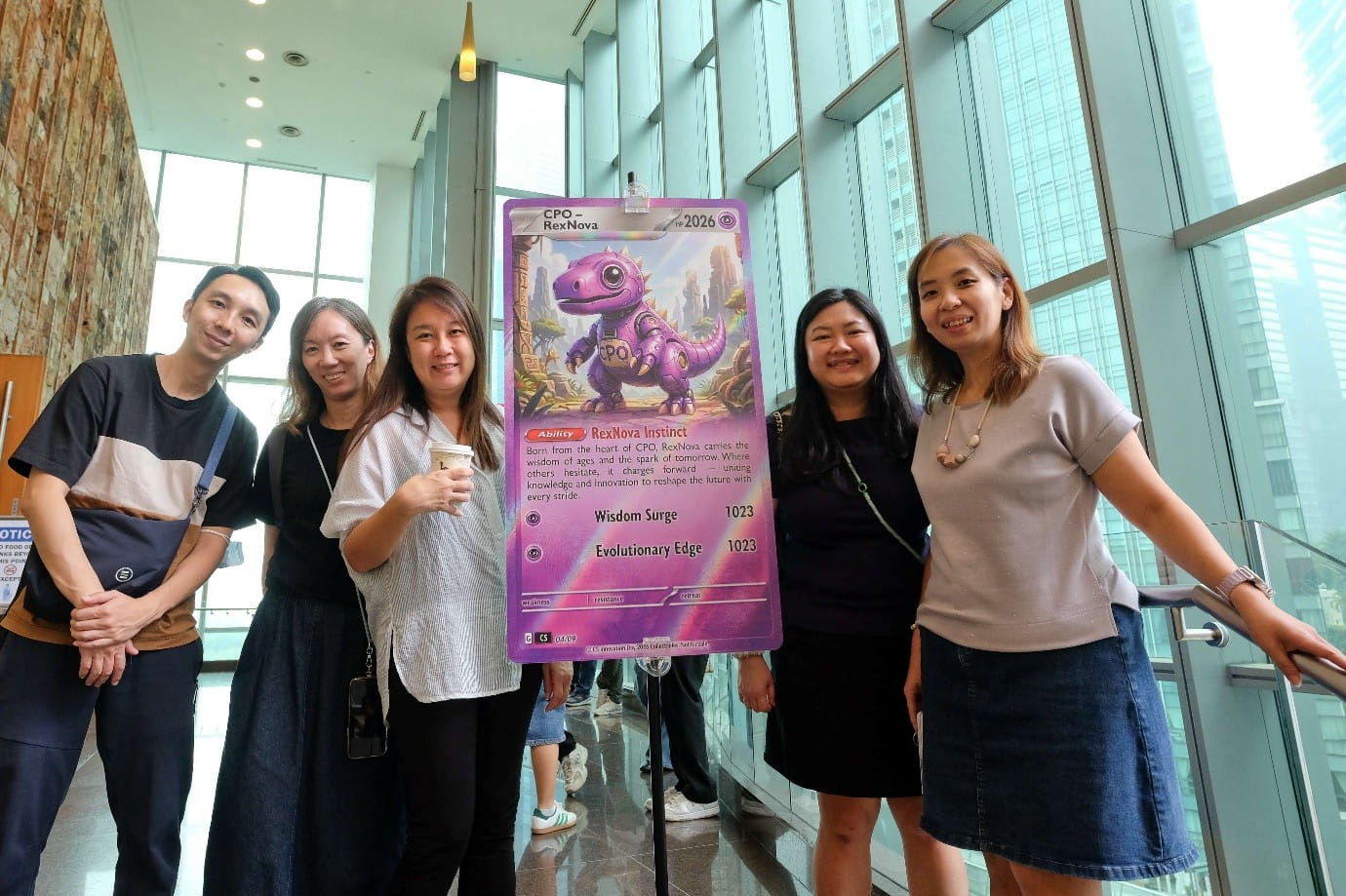 (Photo: HTX)
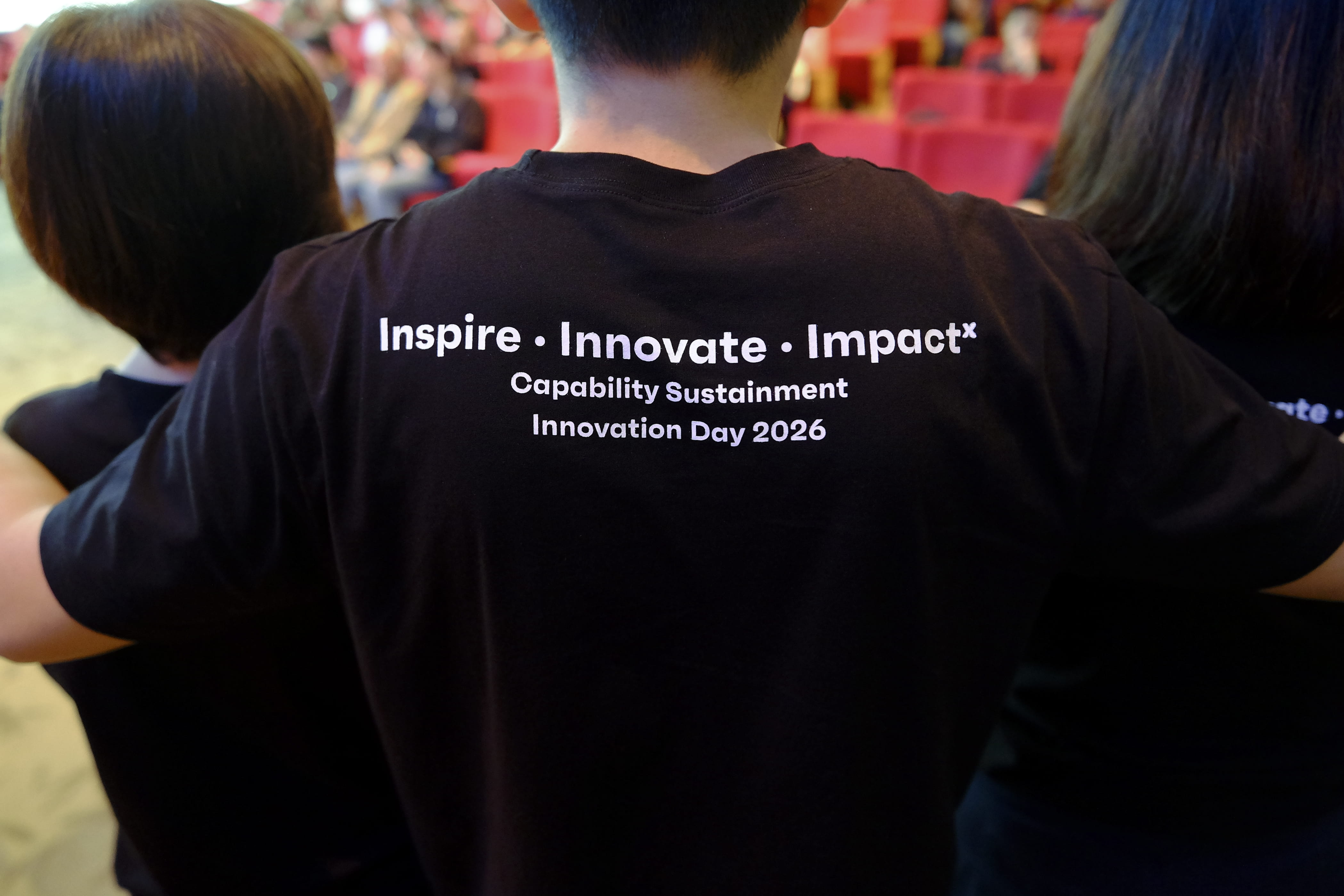 (Photo: HTX)