
 (Image: HTX/Janna Giam)
- HTX is pursuing sovereign AI to ensure the Home Team retains control and agency over sensitive operational workloads, systems, data and AI capabilities, so as to securely scale public safety impact in HTX 3.0.
- Sovereignty is a core principle the HTxAI Movement was built upon, with the others being trust and operational impact.
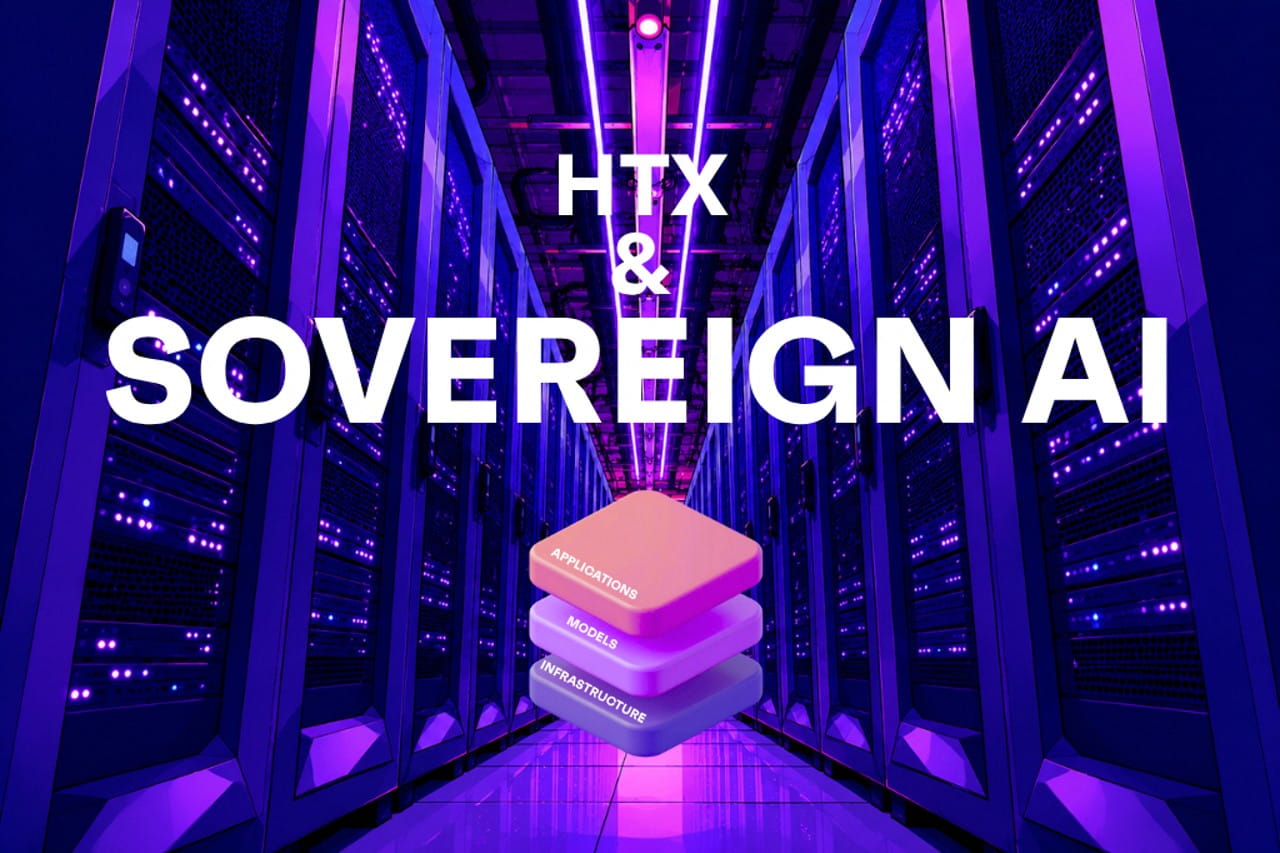
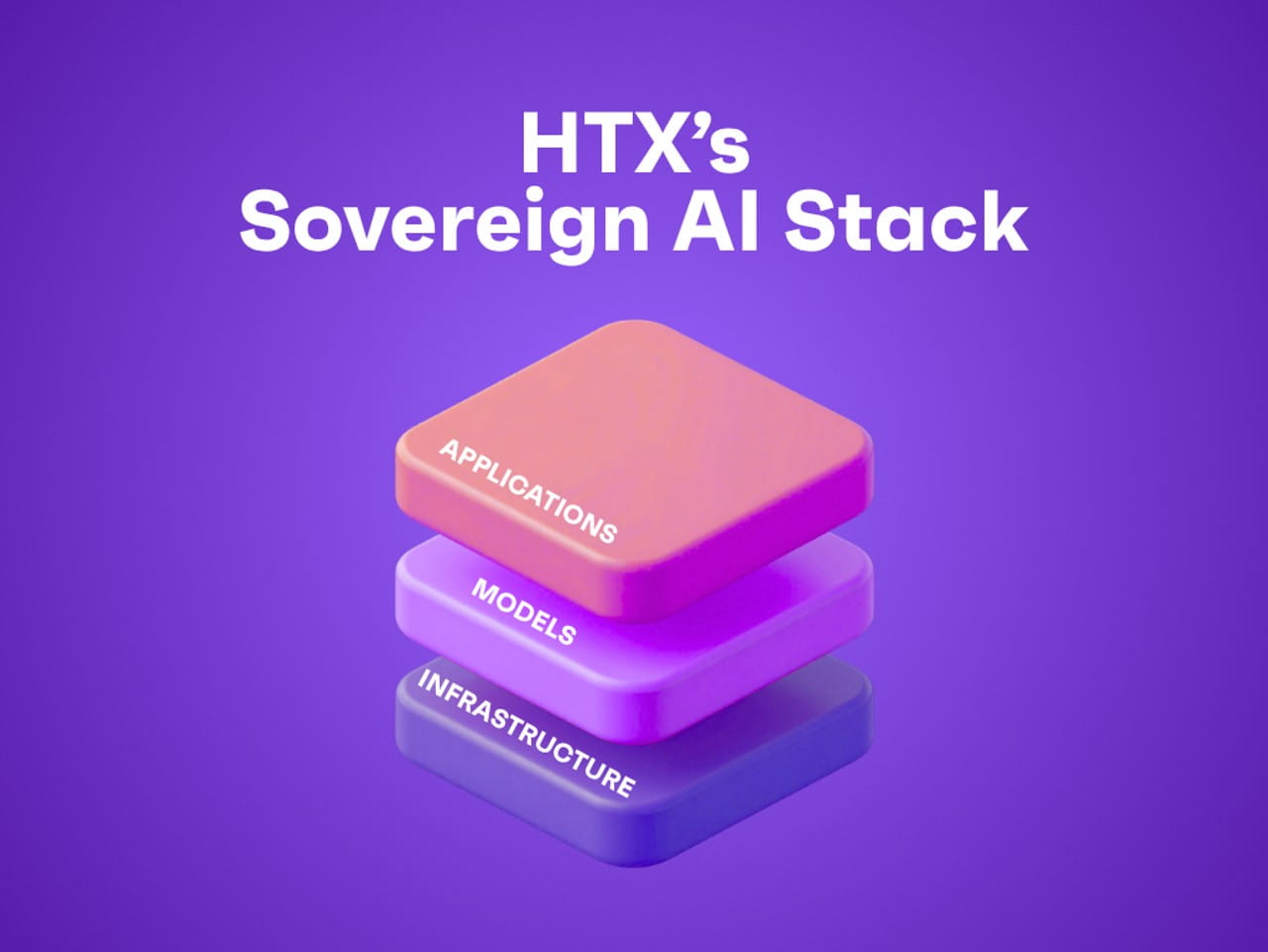
- The agency’s sovereign AI stack comprises three layers: infrastructure, models and applications.
- Sovereign AI is not about technological isolation. Collaboration with industry and academia leaders continue to be a driving force in the strengthening of HTX’s sovereign AI capabilities.
Technological control is increasingly in the spotlight as governments and organisations dealing with sensitive data and operations seek to securely scale artificial intelligence (AI) to analyse information, make decisions and deliver outcomes. That describes a crucial part of the work we do at HTX, which is why we’ve made AI sovereignty a priority.
In 2024, HTX launched the Home Team Artificial Intelligence Movement, or HTxAI Movement, to scale AI adoption across the Home Team. In May at the inaugural AI Now Summit in Paris, HTX Chief Executive Chan Tsan shared in his keynote address three core principles the HTxAI Movement was built around:
- Sovereignty
- Trust from Home Team officers and the public
- Operational impact on mission outcomes, citizen experience and officer productivity
The big goal? To transform HTX into an AI-first organisation that powers an AI-enabled Home Team.
This dovetails with HTX 3.0, our five-year transformation plan unveiled in March 2026, which aims to scale our impact to the Home Team. A major lever for scaling that public safety impact is AI.
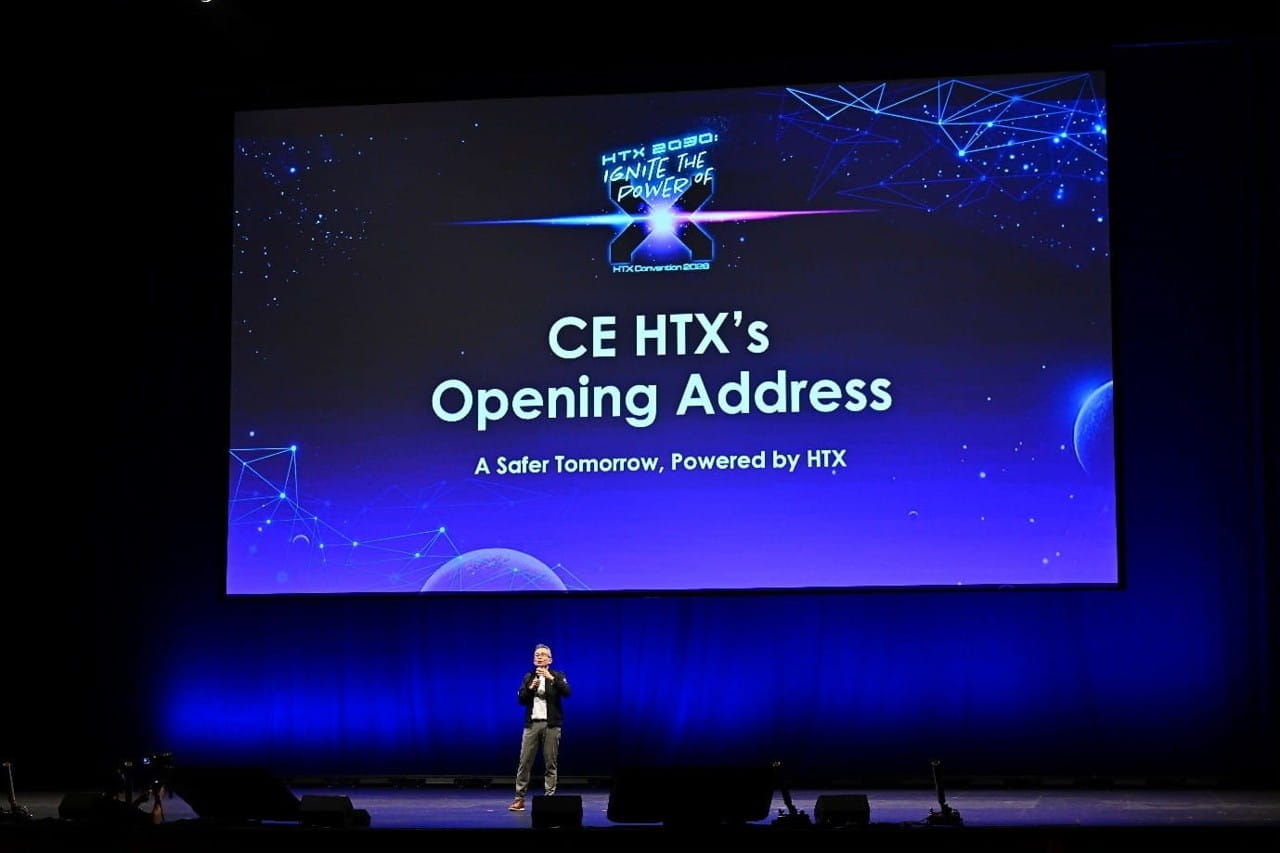 Announced by HTX Chief Executive Chan Tsan at HTX Convention 2026, HTX 3.0 aims to tap AI-powered possibilities to make a tangible difference to Home Team officers. (Photo: HTX)
HTX has walked the talk. Since the movement’s debut, the agency’s talent has created real, usable solutions for the Home Team, and expanded its AI workforce to nearly 300 scientists and engineers today.
Leveraging commercial technologies has been an important part of that journey. By tapping into the scale, expertise and ecosystems that leading technology companies have to offer, HTX has been able to strengthen its internal AI capabilities, advance AI research and development, and deliver solutions which transform the way the Home Team operates.
But when it comes to sensitive operational workloads, systems or data, things get tricky. It can be risky to rely on AI technologies which are developed, hosted or managed by external parties.
Why? Because the Home Team cannot afford to lose control over data related to law enforcement or public safety.
This becomes a delicate balancing act between innovation and security – and sovereign AI is HTX’s answer.
The sovereignty imperative
In his keynote address at May’s AI Now Summit organised by Mistral AI, Tsan explained that sovereign AI is “non-negotiable” in public safety because “societal norms, operational context, and risk thresholds are not always universal”.
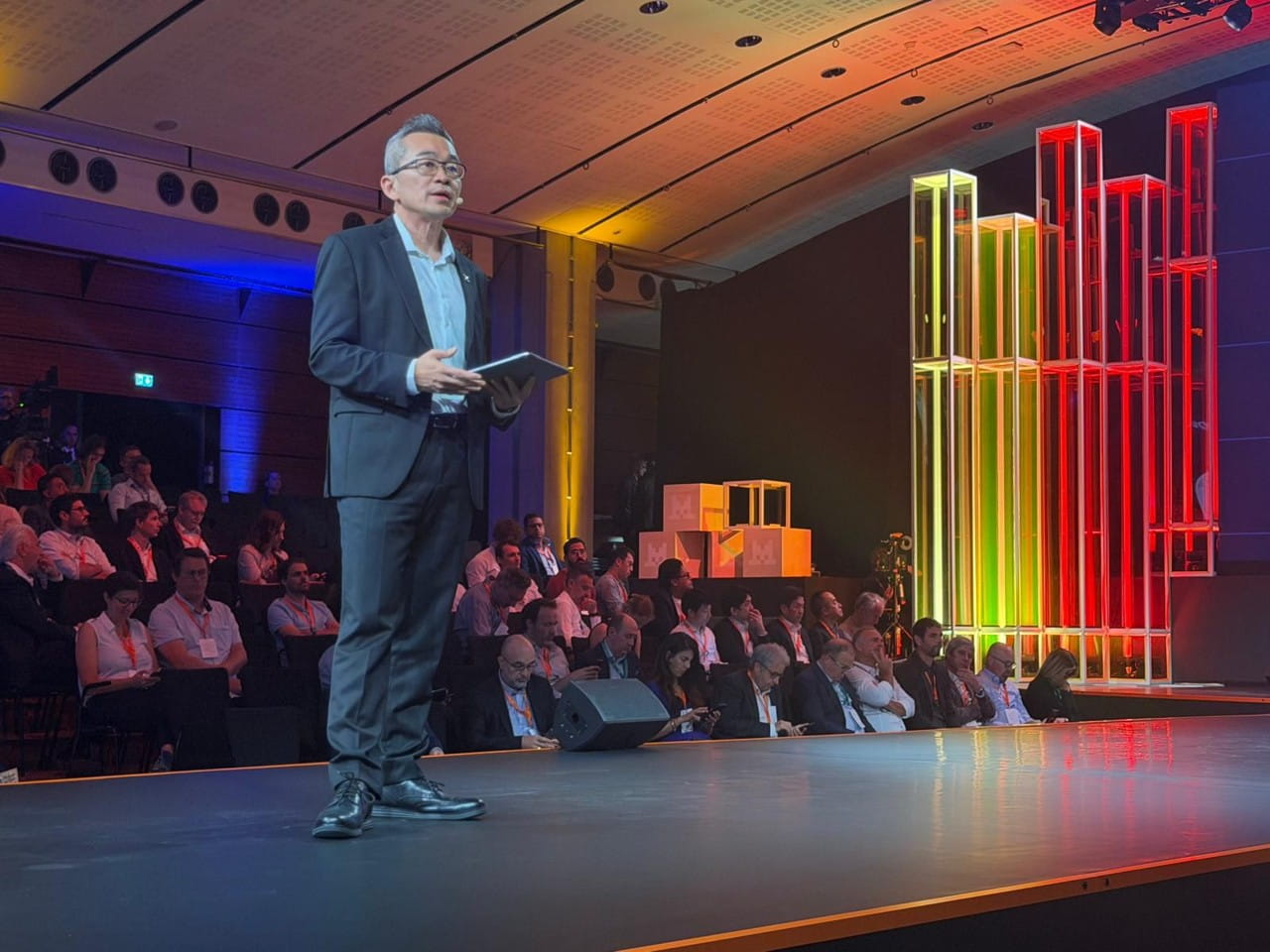 From demo to deployment: Chan Tsan speaks about how HTX is scaling AI for public safety at the inaugural AI Now Summit. (Photo: HTX/Denise Ang)
Sovereignty, however, is not an all-or-nothing proposition.
It is rather a spectrum of architectural and operational choices shaped by mission requirements and risk, Tsan said.
HTX needs to maintain the capability, control and confidence to safeguard public safety, while remaining connected to the world’s latest technologies and continuing to leverage commercial cloud platforms for less-sensitive workloads in order to tap hyperscalers’ tremendous scalability and ecosystem advantages.
The resulting approach is a hybrid one – which means that HTX had to rethink its entire AI stack to find the right balance between its internal and external capabilities.
“The question is no longer whether the technology works. It is whether organisations can deploy and scale AI responsibly, securely, and meaningfully in the real world,” Tsan surmised.
The sovereign AI stack
In an interview with Forbes 30 Under 30 alumnus Savannah Peterson, facilitated by Mistral AI at the March 2026 NVIDIA GPU Technology Conference (GTC), HTX Chief AI Officer and Assistant Chief Executive (Digital & Enterprise) Ang Chee Wee broke down the layers of HTX’s sovereign AI stack.
 (Image: HTX/Janna Giam)
HTX has built a crucial foundation with NGINE (Next Generation Infrastructure), its on-premise sovereign AI infrastructure powered by world-class NVIDIA Graphics Processing Units (GPUs).
This enterprise-grade infrastructure ensures that the Home Team’s data never leaves the agency’s control during training or inference.
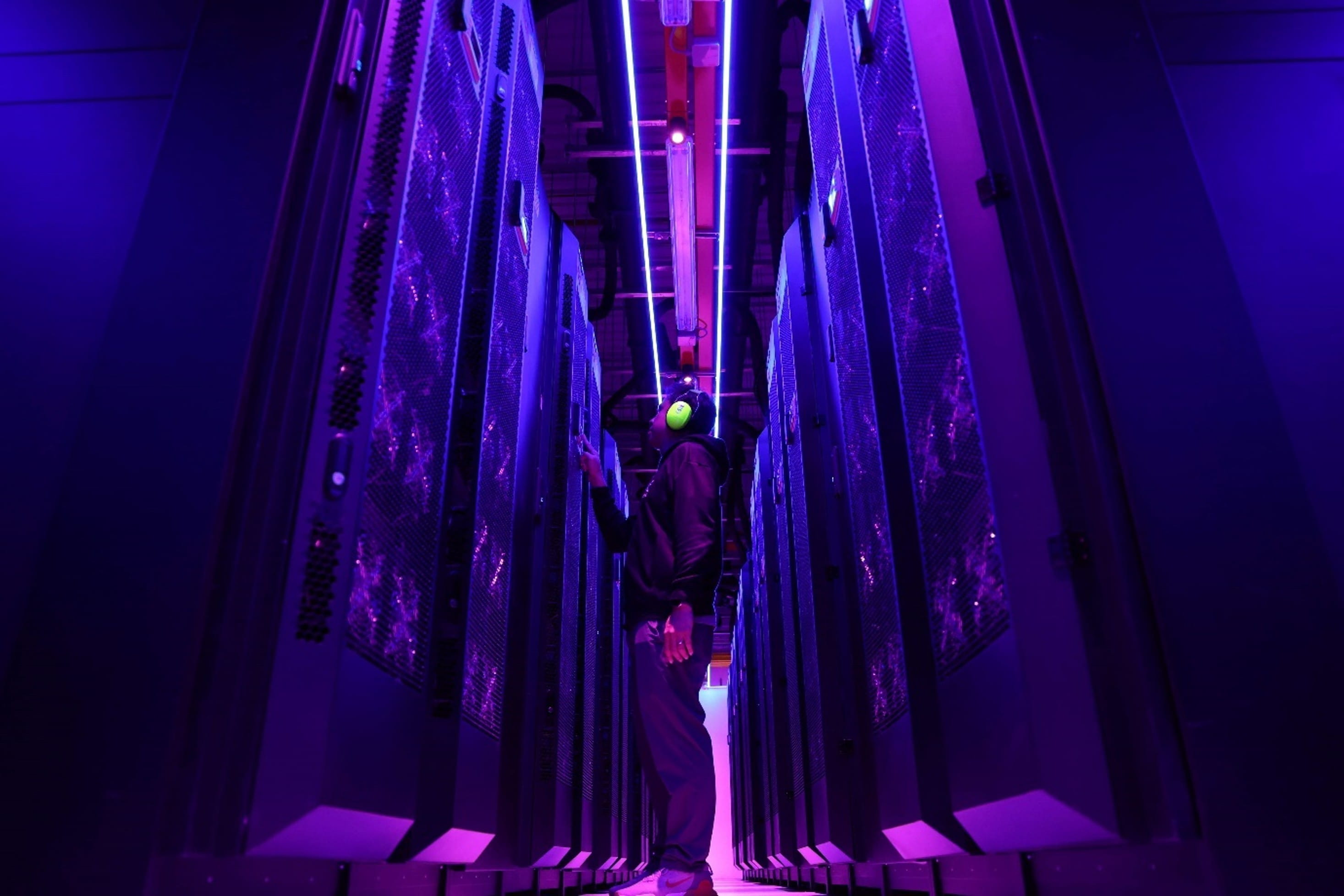 NGINE has significantly boosted HTX’s ability to scale AI development for the Home Team since its launch in August 2025. (Photo: HTX/Damian Koh)
But to scale AI, infrastructure alone is insufficient. When paired with general-purpose models, no matter how powerful these may be, it remains unlikely to produce specific solutions which the Home Team requires.
What exactly does the Home Team need? Well, solutions customised for the local context, and for its own operations.
This is why HTX develops its own AI models. These aren’t just fine-tuned with knowledge on Singapore, but on the Home Team’s operations too.
In particular, it has been collaborating with Mistral AI to build Phoenix, the Home Team’s first family of fully sovereign AI models that can generate outputs shaped by local laws, culture and Home Team terminology.
But even the most robust infrastructure and models are of no use if not translated into actual capabilities – let alone in a safe, trusted and sustainable manner.
To quote Tsan on the Paris stage, “How do we move from impressive AI demonstrations to AI that fundamentally reshapes operations?”
The answer? AI applications.
As Chee Wee described in his interview, HTX is working towards deploying a range of mission-specific tools to transition AI from laboratory experiments to a frontline utility.
“We have gathered more than 300 AI use cases across the Home Team,” he shared.
10 AI applications, he added, have already been rolled out to the Home Team to enhance the efficiency of internal workflows or public-facing services, while another 30 are slated for release later this year.
Here are two examples of applications that are now in use:
From AI-assisted document preparation for labour-intensive procurement workflows to conversational AI chatbots and live AI-powered engagement tools, this suite can help Home Team officers apply AI in their tasks, no matter their role or rank.
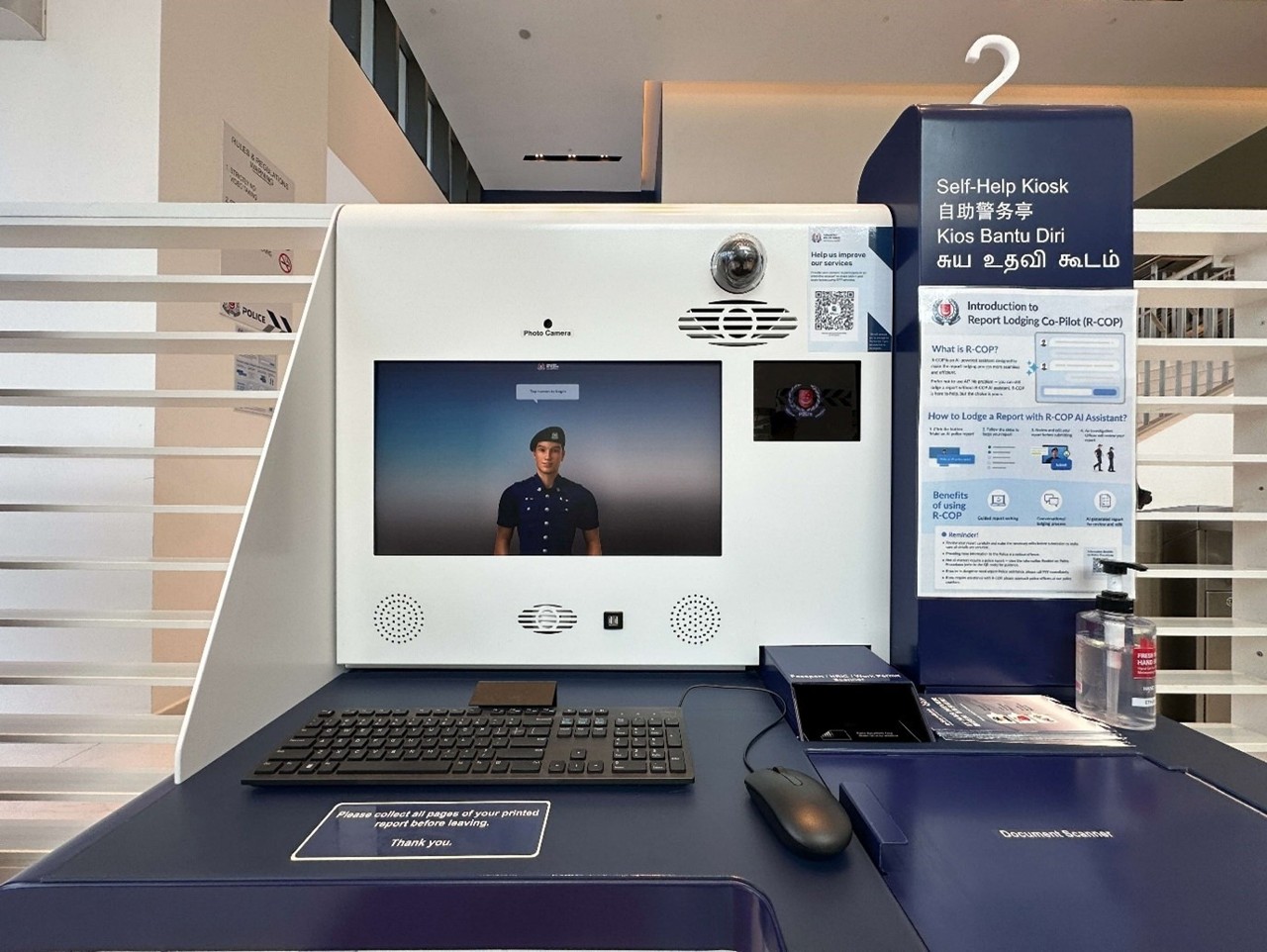 A self-help kiosk with the R-COP application at a neighbourhood police centre. (Photo: HTX/Alywin Chew)
R-COP addresses a huge friction point faced by the Singapore Police Force (SPF) when receiving police reports: free text.
With an AI-enabled chatbot that tailors queries to cases and flags missing details during report filing, investigation officers now face fewer issues with incomplete information or language incoherence. What’s more, members of the public also save valuable time when reporting an incident.
Watch the full interview with Chee Wee on HTX’s sovereign AI stack here:
The horizon ahead
While a solid foundation in sovereign AI has been laid, there is still work to be done. As HTX continues scaling its AI deployments for the Home Team, it needs to keep up with the evolution of AI technologies and stay prepared for future inflections, all while ensuring proper governance.
It’s going big on agentic AI – systems capable of executing multi-step operational workflows autonomously and safely – as well as embodied AI and robotics.
Set to launch in September 2026 is the world’s first humanoid development centre for public safety, the Home Team Humanoid Robotics Centre (H2RC). It will bolster HTX’s efforts to advance research in the applications of humanoids and embodied AI in dull, dirty and dangerous tasks that Home Team officers currently have to undertake.
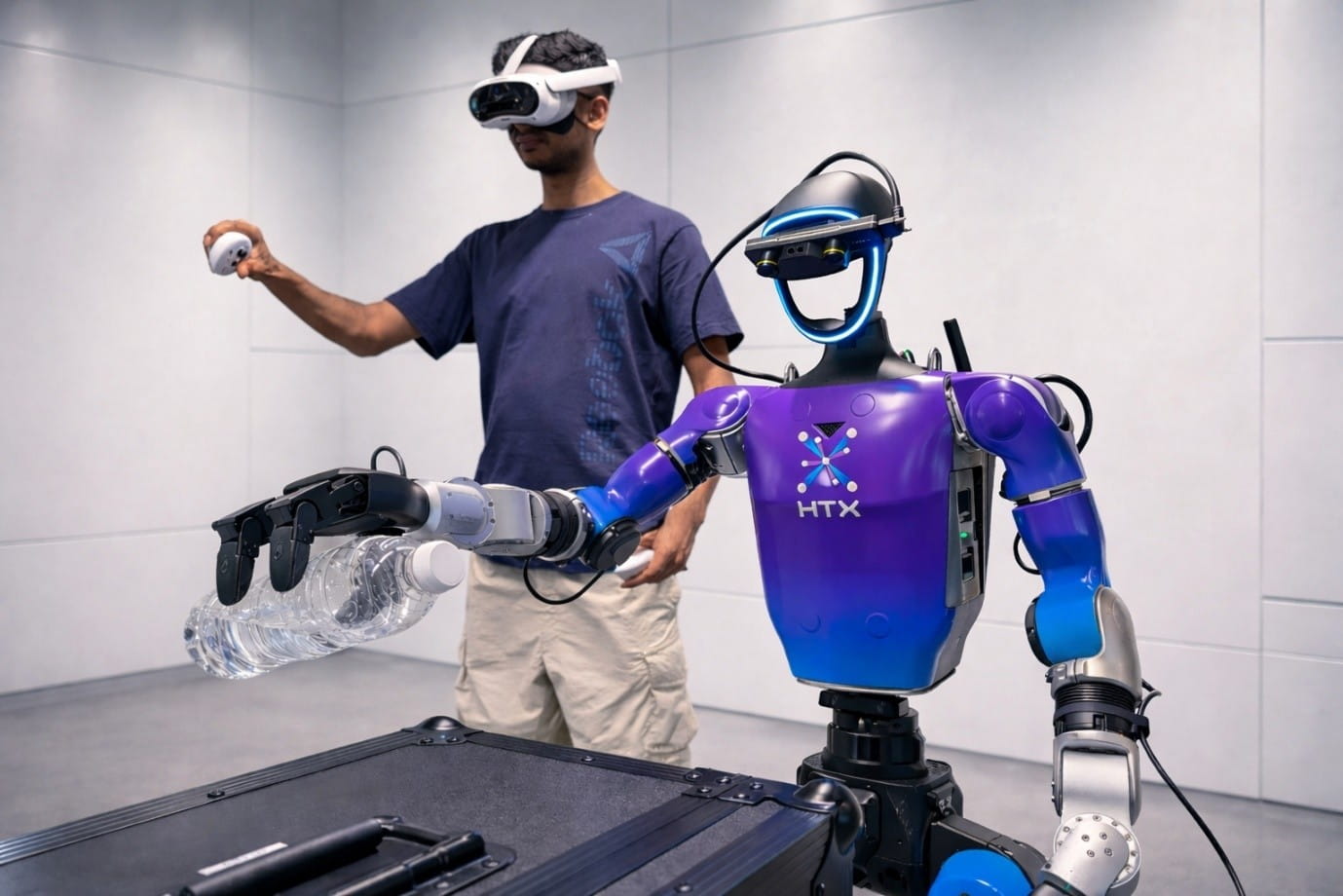 A HTX engineer demonstrates his research in leveraging humanoid systems to develop remote extensions of human officers through telepresence and humanoid whole-body control. (Photo: HTX)
As HTX continues pursuing sovereign AI, it’s important to note that what it seeks are control and agency, not technological isolation.
Collaboration with leaders in industry and academia, such as that cultivated with Mistral AI in the development of Phoenix, will remain a key strategy in strengthening its sovereign AI stack, to deliver safe and trusted solutions aligned with Singapore’s interests.
“None of this can be done alone,” Tsan declared.
Discover related articles