
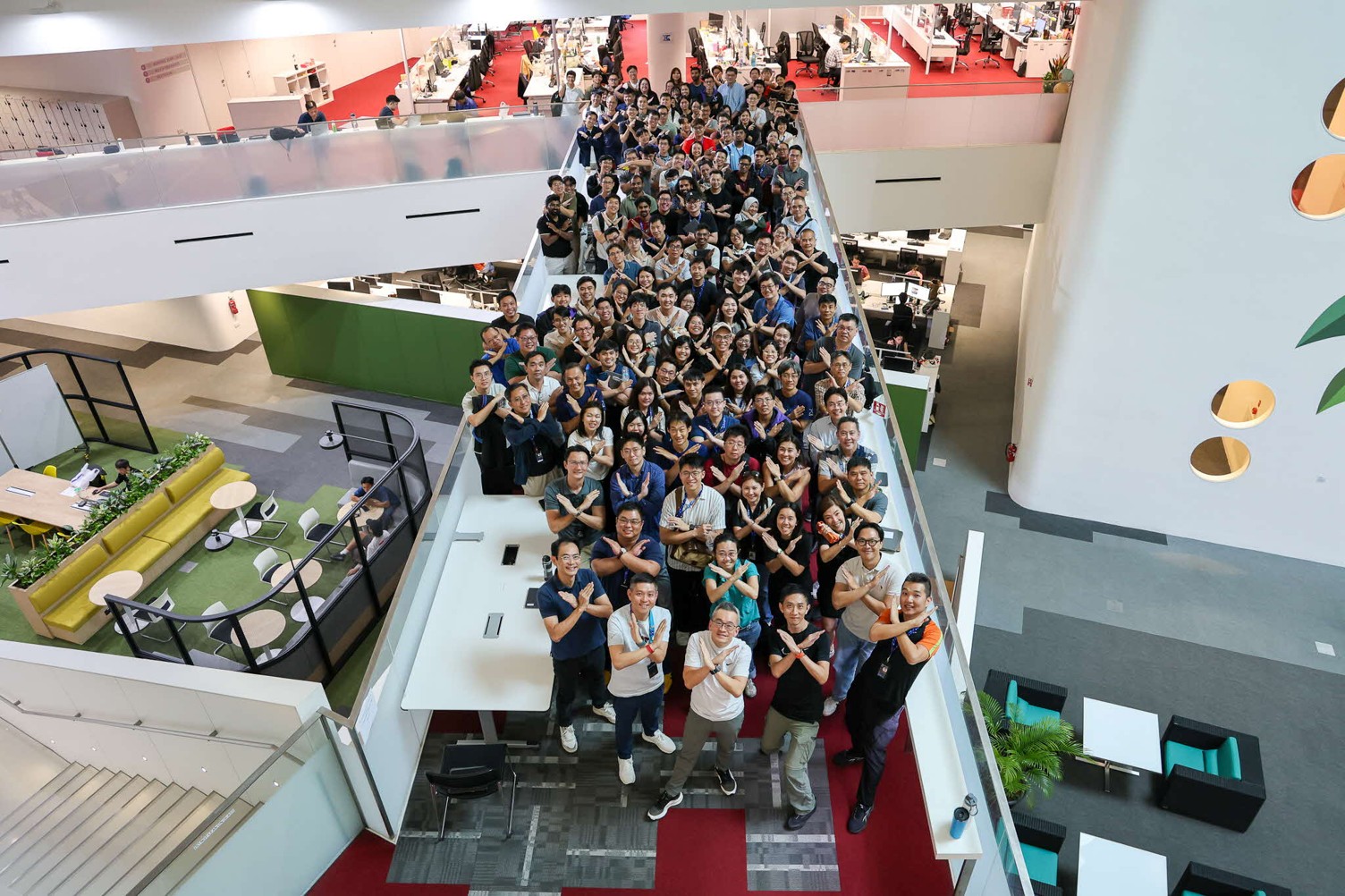
 The engineering pillar gathered for their second Engineering COEs GO! session that promotes greater alignment between teams. (Photo: HTX/Dorcas Yang)
- HTX’s engineering pillar is shifting from rapid capability growth towards scaling impact and prioritisation.
- Evolving challenges, an ageing workforce, and rapid advances in AI are driving HTX to prioritise where it should focus resources.
- The teams are adopting approaches such as earlier user engagement and validation, adaptable system architecture, rapid prototyping and strategic partnerships.
- HTX is moving towards cross-functional engineering, merging expertise from different CoEs to develop system-level solutions.
As HTX advances in its outcomes-focused 3.0 phase, the agency’s engineering pillar is moving from accelerating capabilities to sharpening its focus on impact and prioritisation.
That was the crux of Assistant Chief Executive (ACE) (Engineering) Cheng Wee Kiang’s opening address at HTX’s Engineering COEs GO! session held on 12 November. The event gathered Xponents from various engineering Centres of Expertise (CoEs) to promote greater synergy.
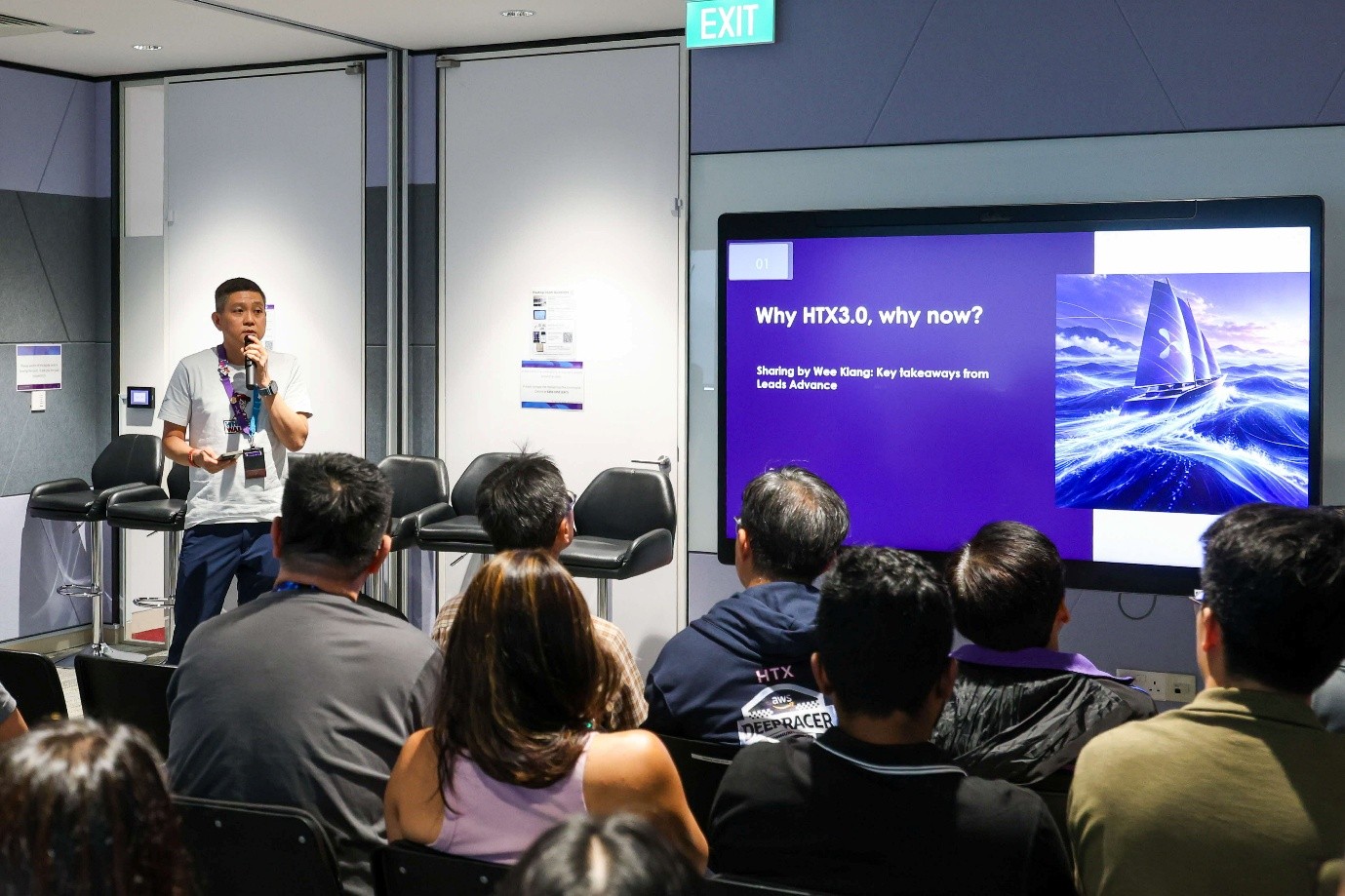 ACE (Engineering) Cheng Wee Kiang stressed the need to develop practical technology solutions. (Photo: HTX/Damian Koh)
Amid rising demand, tighter resources and rapidly evolving technologies such as AI, Wee Kiang urged engineers to exercise greater prudence in developing technology solutions – weighing whether to build, buy or partner, and asking tough questions before committing resources. He cautioned against chasing shiny new technologies without careful consideration.
“Instead of asking yourself, ‘What technology should I use?’, you should ask, ‘What problem am I actually trying to solve?’,” said Wee Kiang, who also advocated designing solutions at a system rather than project level.
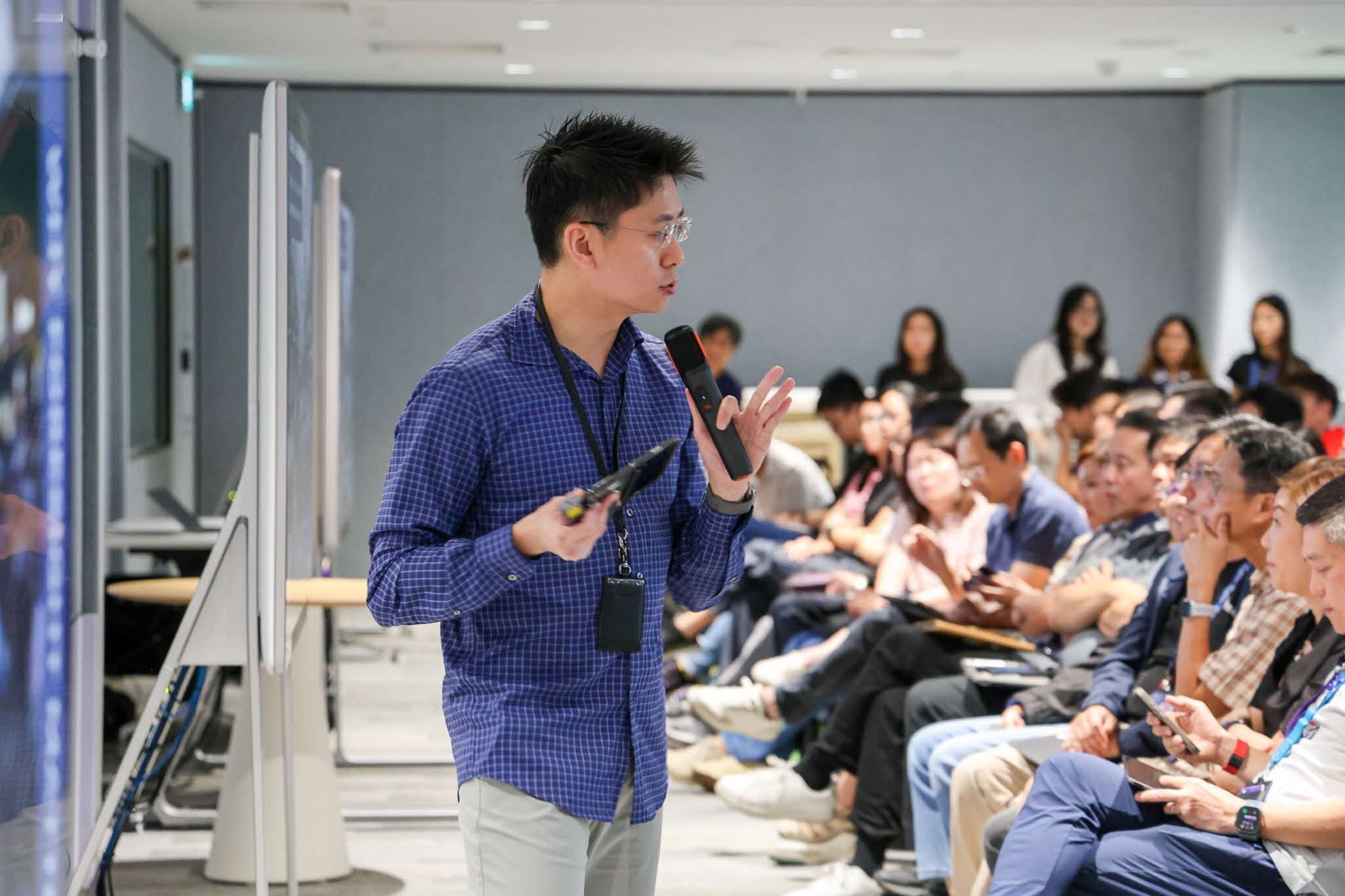 Zhong Mingxuan from Plans & Strategy laid out the macro environment within which HTX operates. (Photo: HTX/Dorcas Yang)
The need for such discernment becomes even more pressing when viewed against the wider forces reshaping HTX’s operating environment. Zhong Mingxuan, Head (Strategy) at Plans & Strategy, highlighted three major shifts: a fragmenting geopolitical landscape that could test supply chains and technological dependencies; an ageing and shrinking workforce that will intensify manpower crunches; and the rapid rise of AI, which presents opportunities to multiply capacity while introducing new risks around misinformation and public trust.
Taken together, these pressures raise a bigger strategic question for HTX: where should it build resilience and focus its finite resources today to remain effective tomorrow?
Staying agile amid transformation
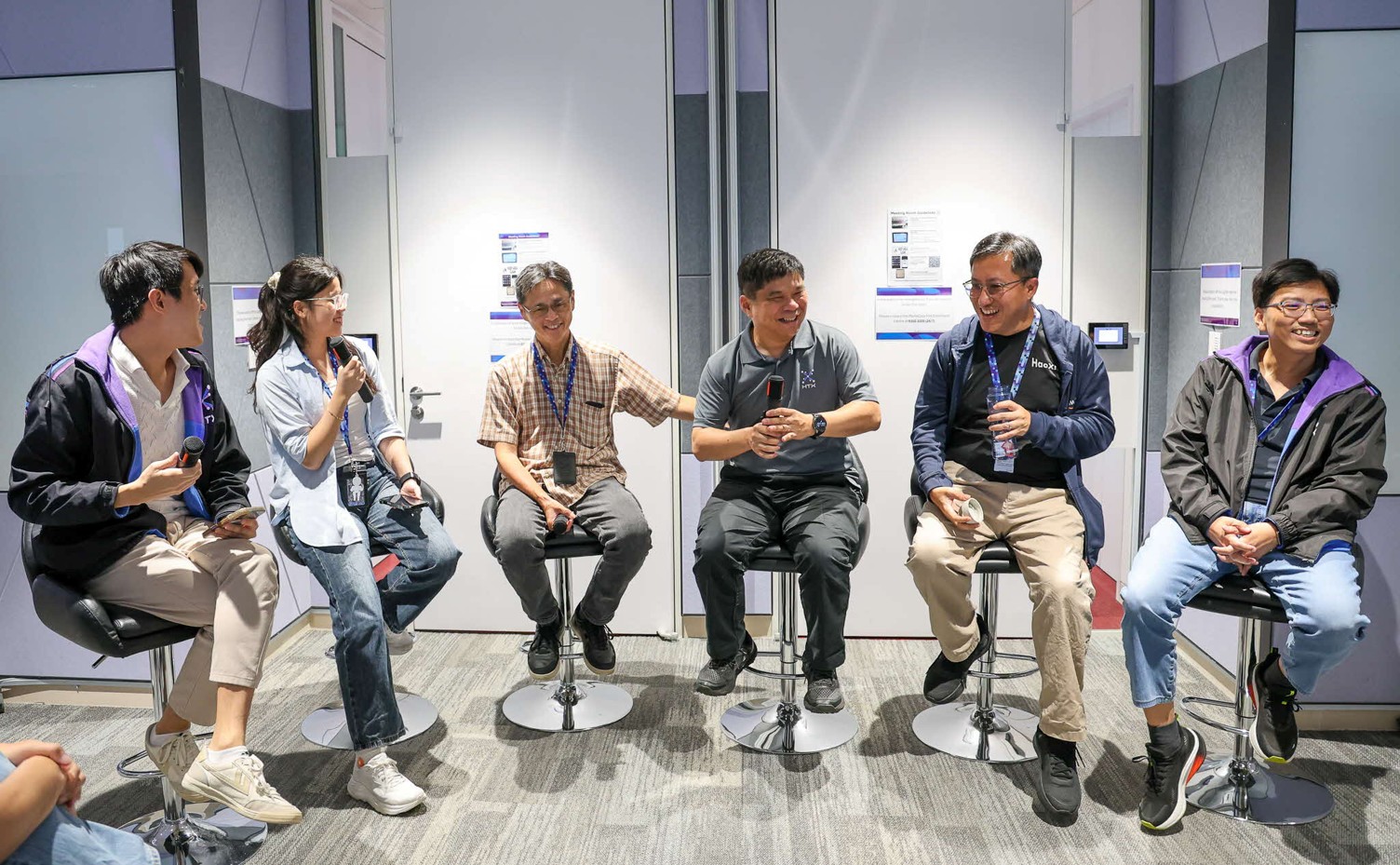 (From third from left): Chung Kam Sam, Director of Marine Systems, Tan Chuan-Yean, Director of VWS, Ng Shu Herng, Director of PSS and Ong Ka Hing, Deputy Director (Ground Systems), RAUS. (Photo: HTX/Dorcas Yang)
The latter question was addressed during a panel discussion featuring leaders of various CoEs, who outlined how their teams are adapting to the changes afoot.
To ensure that engineering solutions translate into real-world operational value, for example, Vehicle & Weapon Systems (VWS) CoE Director Tan Chuan-Yean stressed the importance of understanding the underlying operational challenges of Home Team users and looking beyond simply fulfilling contractual requirements.
“You have to build a bond with them to understand the problem over time and even find unexpected solutions,” he said.
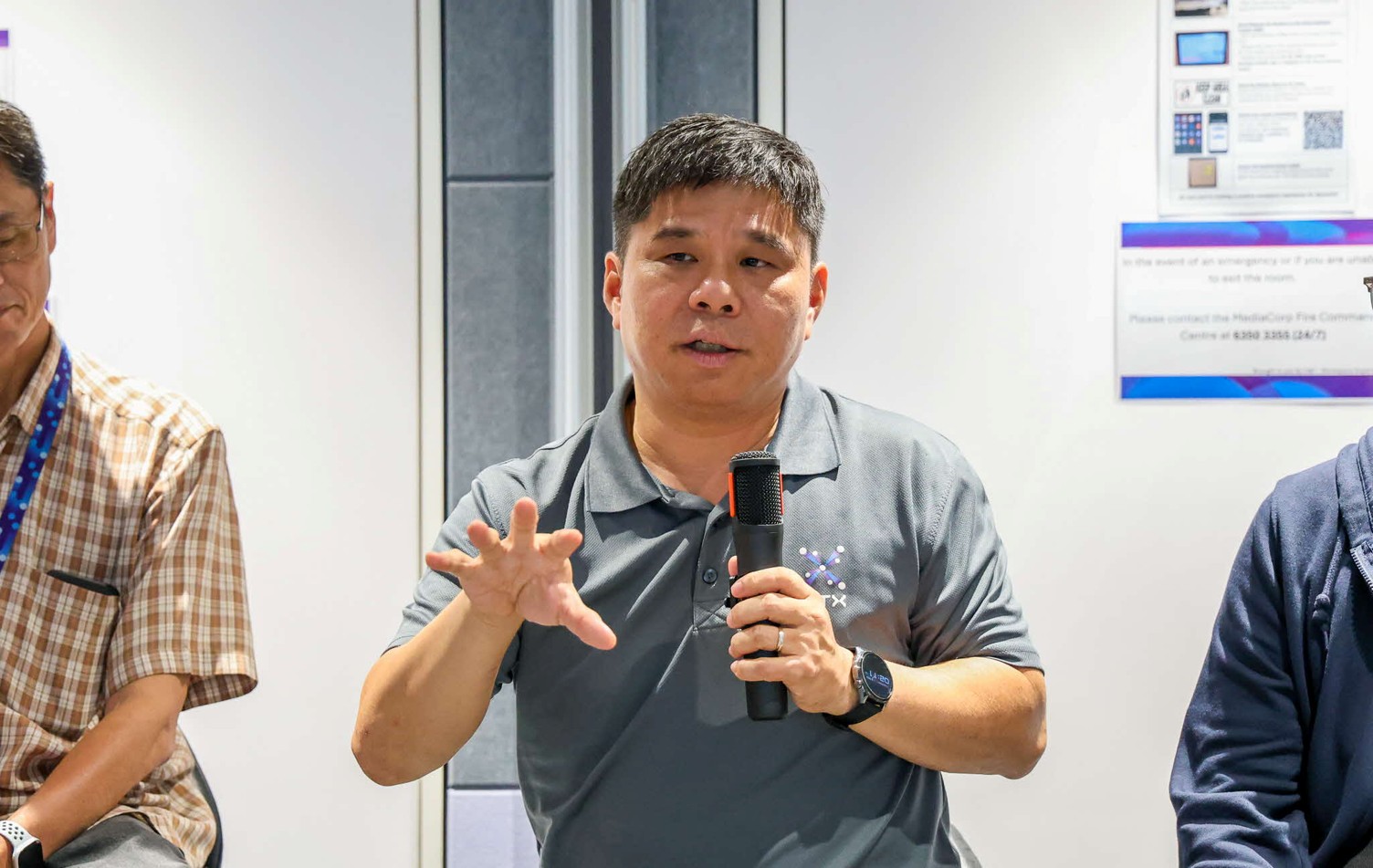 Tan Chuan-Yean, Director of VWS, shared that the Common Vehicle Platform and Common Vetronics Architecture are key initiatives to future-proof systems. (Photo: HTX/Dorcas Yang)
Managing tighter resources is a key challenge faced by the CoEs, as they prioritise projects and refine their development strategies.
In balancing technological agility with cost-consciousness, the VWS team is exploring how Common Vehicle Platform and Common Vetronics Architecture could allow new capabilities to be incorporated over the life cycles of long-lived physical assets such as vehicles.
Resource discipline also begins well before a solution is built. At Marine Systems CoE, early validation is central to the engineering process. Its Director, Chung Kam Sam, shared that his team is using engineering simulations to test feasibility from the outset and iterating more closely with users before adopting a solution.
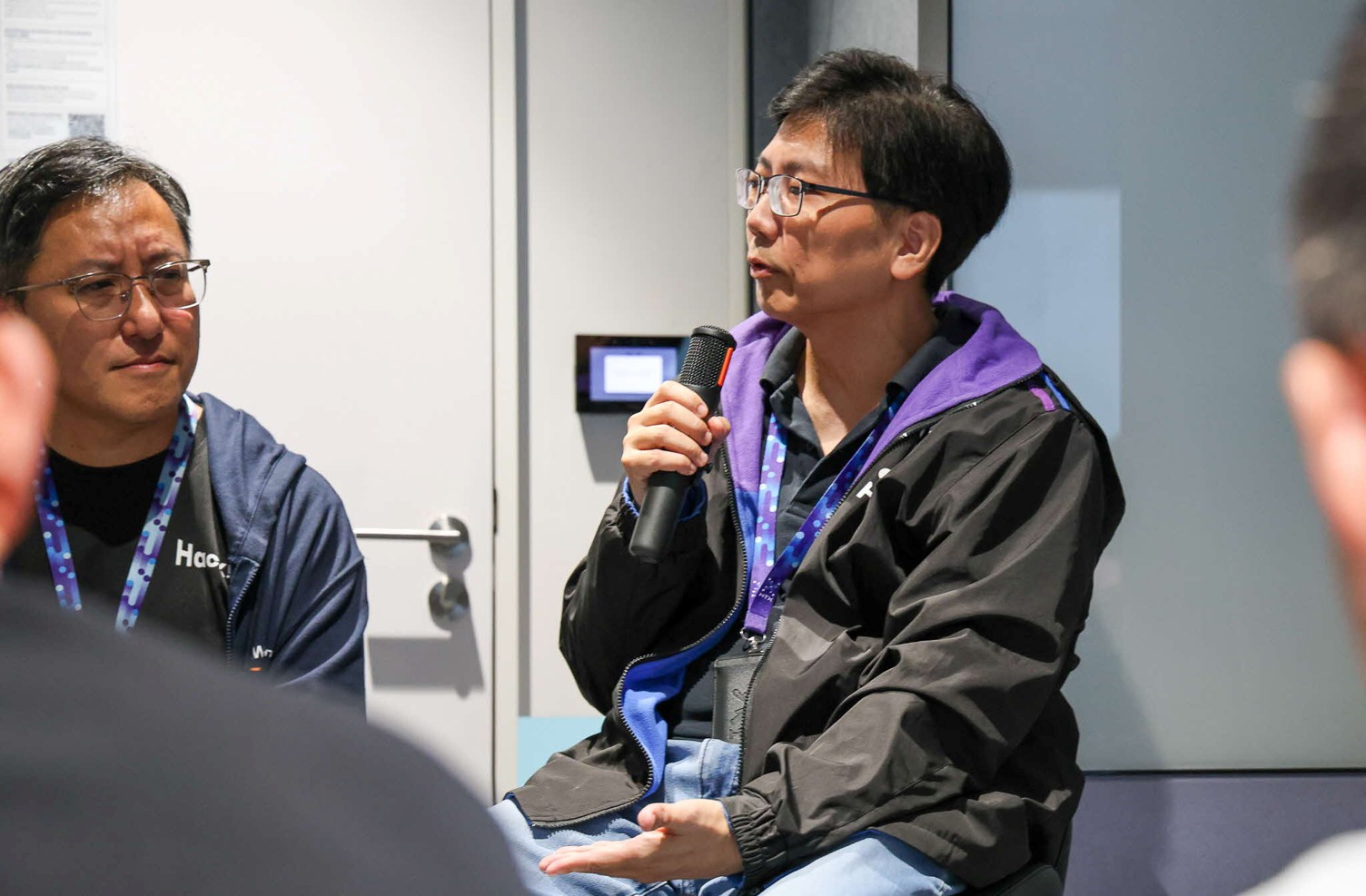 Ong Ka Hing, Deputy Director (Ground Systems), RAUS, contended that there’s no such thing as unsuccessful R&D. (Photo: HTX/Dorcas Yang)
That same imperative to make resources count is shaping how the Robotics, Automation & Unmanned Systems (RAUS) CoE develops capabilities. Its Deputy Director of Ground Systems, Ong Ka Hing, shared that his team combines rapid in-house experimentation with strategic partnerships, with development teams quickly prototyping and testing promising technologies to keep pace with a fast-moving industry.
Their goal, he said, is to develop reusable building blocks that can contribute to larger missions – regardless of whether an R&D project meets its original aims. “We don’t see it as unsuccessful. We see it as a learning point,” said Ka Hing.
Greater integration
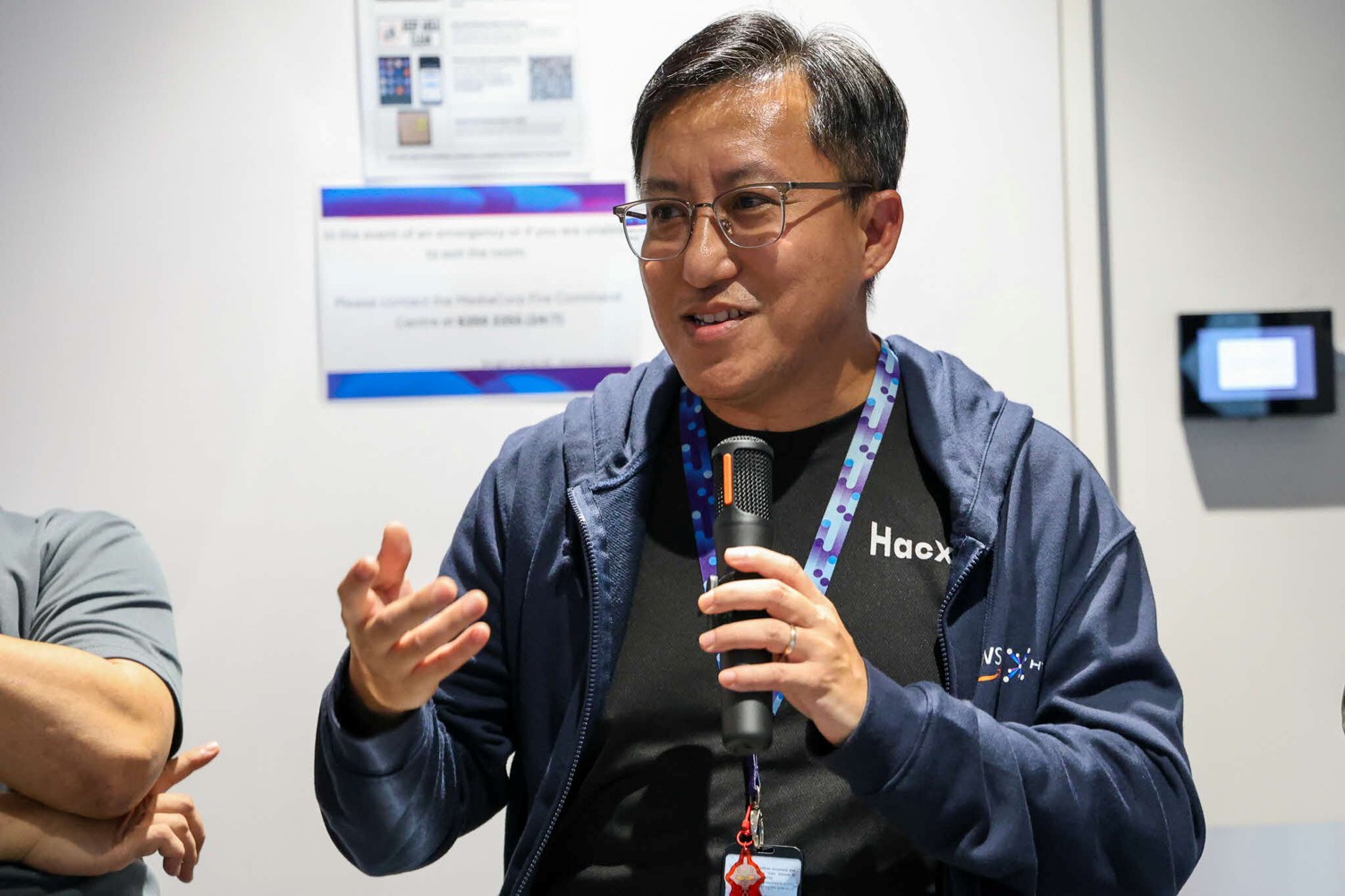 Ng Shu Herng, Director of PSS, underscored the importance of cross-functional collaboration between engineering CoEs. (Photo: HTX/Dorcas Yang)
Beyond changes in how projects are developed, embracing HTX 3.0 has also prompted organisational transformation. The Protective Security & Safety (PSS) CoE, for example, recently underwent restructuring, with engineers redeployed into different capability areas. Its Director, Ng Shu Herng, said the changes reflected a broader push to prioritise work that can “move the needle”.
PSS is also looking at the bigger picture, having had to evolve its protective engineering work alongside national initiatives such as the Building and Construction Authority’s (BCA’s) push for prefabrication. Shu Herng sees growing scope for cross-functional projects that draw expertise from across HTX’s engineering CoEs.
“It’s not about making sure we don’t step on each other's toes – it’s really about working together and being integrated within the project,” said Shu Herng.
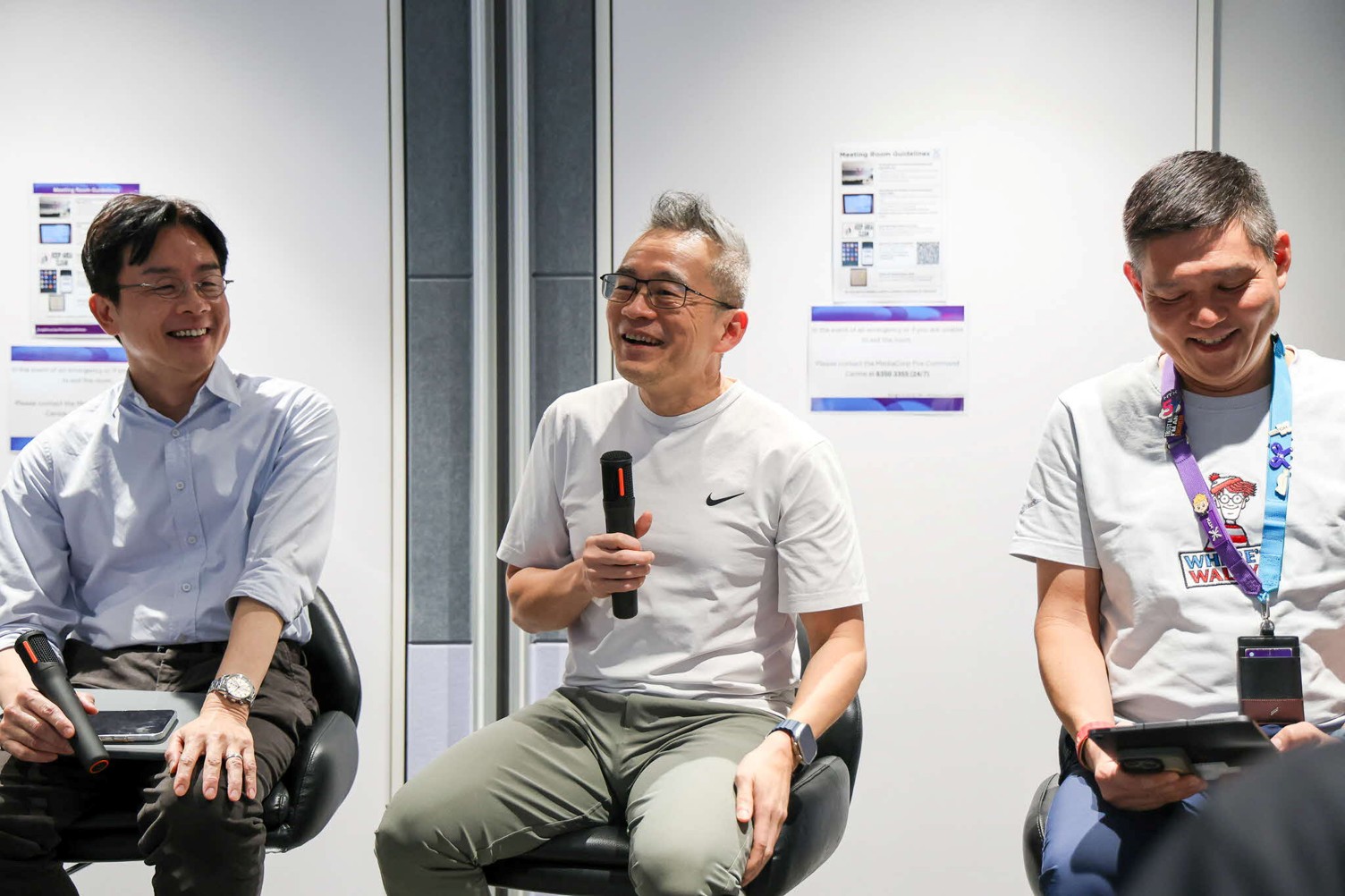 (From left): Director of Human Resource Koh Chee Keat, CE Chan Tsan and ACE (Engineering) Cheng Wee Kiang. (Photo: HTX/Dorcas Yang)
The session also featured presentations by leaders from CoE Hub and TXV, who shared how their respective teams are defining operational demands and impact, as well as tapping international deep-tech ecosystems to power innovation.
Engineering COEs GO! was capped by an ‘Ask me Anything’ session with Chief Executive Chan Tsan, who highlighted the importance of treating HTX’s engineering expertise as a collective capability – aligning related efforts, sharing technical knowledge and collaborating across traditional boundaries.
“I hope that HTX will continue to not be bound by convention,” he said.